Meal Prep for a Calorie Deficit, Done Right
Meal prep gets associated with rows of identical containers and a calorie number written on each one. That's one version of it, but not the only useful one, and not the one we'd point you toward.
Meal prep gets associated with rows of identical containers and a calorie number written on each one. That’s one version of it, but not the only useful one, and not the one we’d point you toward.
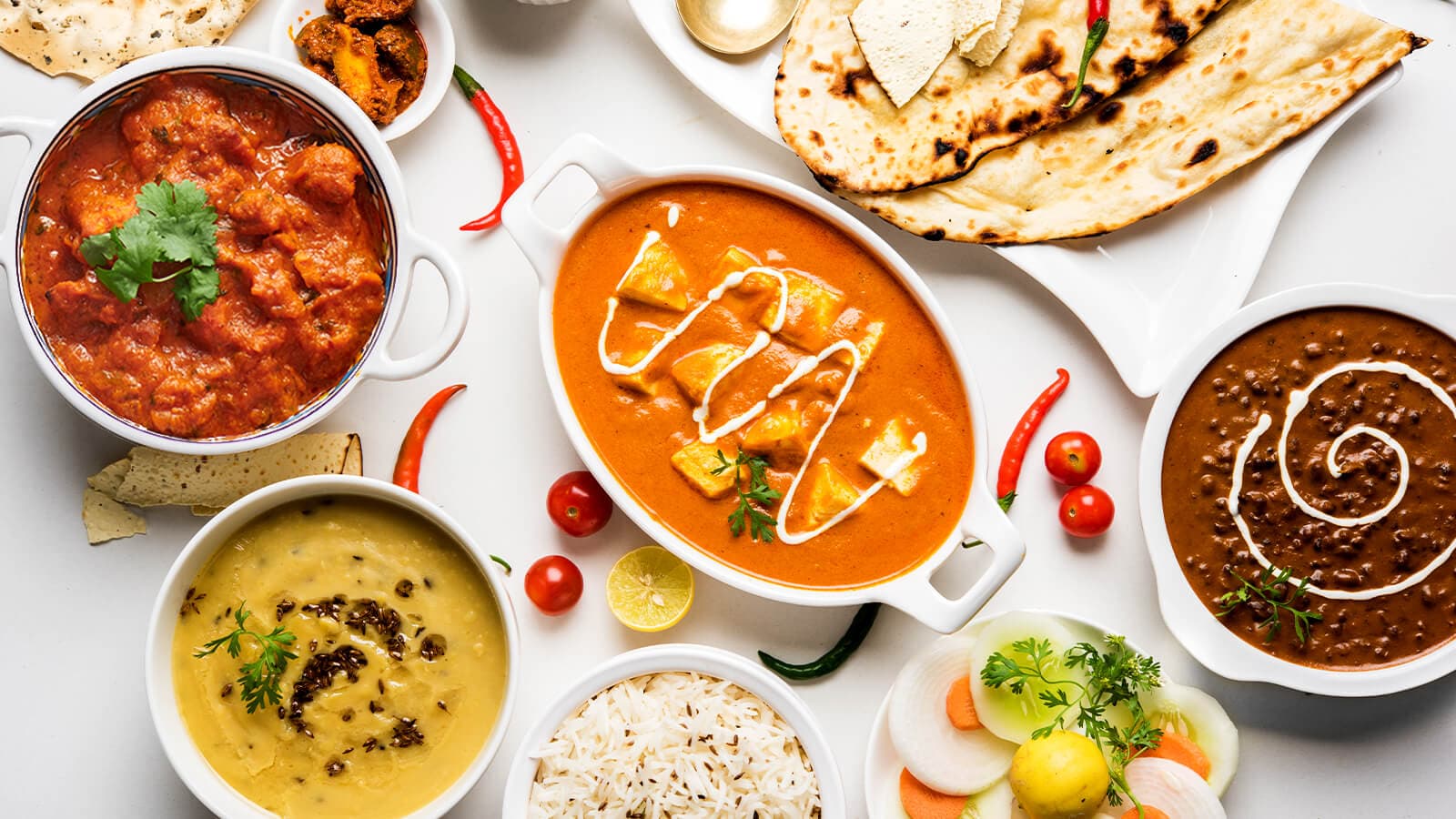
A more sustainable approach to meal prep in a calorie deficit is about reducing the number of decisions you make when you’re hungry and tired, the moments when less helpful choices tend to win. That can mean having a base of cooked dal or rajma ready in the fridge, a batch of roasted vegetables, boiled eggs, or grilled paneer cubes.
From there, a meal becomes an assembly job rather than a cooking job: a base, a protein, a vegetable, done. You’re not locked into eating the exact same thing every day, and you’re not tracking grams obsessively, you’re just removing the friction that usually leads to ordering in.
The ingredient choices still matter. A roasted vegetable mix with minimal oil behaves very differently in a deficit than the same vegetables fried in a heavy batter.
Want the numbers behind a product? Search our ratings or read how we score.