Anil Rice Vermicelli
Published · Updated
Anil Rice Vermicelli is dry rice noodle strands made from just rice and iodised salt, used for upma, vegetable noodles and kheer. It scores DB2: low on nutrition because it is a starchy base with little protein or fibre, high on ingredients for a two-item list, and low on risk with no fat or sugar. Best as a base for vegetables and protein.
Ingredients, decoded
2 listed- Rice
- Iodised Salt

The label gives no sugar figure, so there is nothing to count in teaspoons.
| Energy | 360 kcal |
|---|---|
| Protein | 8 g |
| Carbohydrates | 82 g |
| Dietary fibre | 2 g |
| Total fat | 0 g |
| Trans fat | 0 g |
| Sodium | 110 mg |
| Iron | 4 mg |
| Calcium | 24 mg |
Think this score is wrong?
What to know about Anil Rice Vermicelli
Just rice and salt, but little protein or fibre
Anil Rice Vermicelli is a 500 g pack of dry rice noodle strands. The ingredient list is two items, rice and iodised salt, with no percentages printed for either. It is bought as a quick-cooking base for South Indian breakfast and snack dishes such as upma and vegetable vermicelli, and for kheer.
Per 100 g of dry strands the pack gives 360 kcal, 82 g carbohydrate, 8 g protein, 2 g fibre and 110 mg sodium, with no fat, no trans fat and no sugar. The serve printed is 1 cup (50 g), which is 180 kcal, 4 g protein, 1 g fibre and 55 mg sodium, and the pack holds about 10 of them.
The name is plain and matches the contents: rice strands, nothing more. The front photo is only a serving suggestion, so the finished dish depends on what you add. CleanPlate scores it DB2.
Why Anil Rice Vermicelli scores DB2
Nutrition is a D because the strands are mostly starch, with 8 g protein and 2 g fibre per 100 g. Ingredients are a B for a two-item list, and risk is a 2, led by energy.
Low nutrient density
- Protein
- 8 g
- Fibre
- 2 g
- Vitamins and minerals
- Iron, Calcium
- Energy
- 360 kcal
01 Nutrition density: why D
The strands are mostly rice starch: 82 g carbohydrate, 8 g protein and 2 g fibre per 100 g, with no fat. The protein comes from the rice itself, and it is not enough to earn protein credit.
The core score is zero, so the grade rests on a small credit for the minerals declared: 4 mg iron and 24 mg calcium per 100 g. Nothing is added to boost them.
Scored on protein, fibre and twelve vitamins and minerals, against the Codex and FSSAI "source" and "high" levels, per 100 g and per 100 kcal. Protein also has to supply at least 12.5% of the calories to count, and 25% for full credit.
Good, few concerning additives
- Base
- Rice
- Sweeteners
- None added
- Additives
- 0
- Flagged
- None
02 Ingredient integrity: why B
Rice and iodised salt are the only items. No additive, colour, flavour or preservative is listed, so nothing costs ingredient points, and no label promise is hollow.
What holds the grade below the top is that no percentages are printed for the rice or the salt, and the base is a single refined-style grain rather than a mix of whole foods.
Scored on how processed the ingredients are, which additives are used and why, and whether the label keeps its promises.
Low risk
- Sodium
- 110 mg
- Trans fat
- 0 g
03 Load risk: why 2
Energy is the largest part of the risk number: 360 kcal per 100 g of dry strands, 180 per 50 g cup. Sodium adds a little at 110 mg per 100 g, 55 mg per cup.
Sugar, saturated fat and trans fat are all 0 g, so they play no part. The figures are for the dry strands, and cooked strands take up water, so a plated portion is lighter per 100 g.
Scored on free sugar, sodium, saturated fat and trans fat, each weighed by how strong the evidence of harm is.
Red flags
No major red flags on the label.
Green flags
- +Green flag: Low sodium
- +Green flag: No additives
Does Anil Rice Vermicelli live up to its claims?
The name holds, since the list is only rice and iodised salt. The front photo is a serving suggestion, so the cooked dish will contain more than this pack does.
- Product nameHolds
“Anil Rice Vermicelli”
The list is rice and iodised salt, so the name describes the contents.
- On the packBe careful
“Serving suggestion photograph”
The pack says the photo is a serving suggestion and not the contents. The pack holds only dry strands, with 50 g giving 180 kcal.
- Retail listingHolds
“Upma, vegetable noodles or kheer”
Plain rice strands with 0 g sugar and 0 g fat suit all three dishes, and the flavour and sweetness come from what you add.
What's in Anil Rice Vermicelli?
Rice and iodised salt are the whole list, with no additives. What to watch is not an ingredient but the thin protein and fibre.
The ingredient list, read for you
Rice leads and iodised salt follows, so the strands are rice with a little salt for taste and iodine. No percentages are printed for either, and no additive, colour or preservative is listed.
Ingredients to watch
- Little protein or fibreConcern
8 g protein and 2 g fibre per 100 g, so 4 g and 1 g in a 50 g cup. This is what holds the nutrition grade down.
- Starch and energyWorth watching
82 g carbohydrate and 360 kcal per 100 g of dry strands. A 50 g cup has 41 g carbohydrate and 180 kcal.
- No rice share printedWorth watching
The label gives no percentage for rice or salt, so the split is not shown.
- Short ingredient listFine
Only rice and iodised salt. No additives, colours or preservatives.
- SodiumFine
110 mg per 100 g, 55 mg in a 50 g cup, before any seasoning you add.
What it doesn’t have
- No percentage is given for the rice or the salt.
- No whole-grain content is declared.
Who should eat Anil Rice Vermicelli?
Suits most adults a few times a week with vegetables and protein added. People watching blood sugar should keep portions small, as 50 g dry has 41 g carbohydrate.
- Most adultsA few times a week
180 kcal per 50 g cup, mostly starch, with 4 g protein.
- ChildrenA few times a week
No additives and 55 mg sodium per cup, best served with vegetables and protein.
- Diabetes or prediabetesOccasionally
41 g carbohydrate in a 50 g cup and only 1 g fibre.
- Active peopleA few times a week
Carbohydrate for energy, but 4 g protein per cup needs a protein partner.
Recipes with Anil Rice Vermicelli
Cook it as upma or vegetable vermicelli with plenty of vegetables and a protein, or as a lightly sweetened kheer, to give the strands what they lack.
Vegetable upma
Roast the strands and cook with onion, carrot and peas. A 50 g cup has only 1 g fibre, so the vegetables add what the strands lack.
Vegetable vermicelli noodles
Stir-fry with beans, cabbage and an egg or paneer, since the strands give just 4 g protein per 50 g.
Vermicelli kheer
The strands have 0 g sugar, so the sweetness is all yours to set. Keep the added sugar or jaggery light.
Anil Rice Vermicelli: common questions
What is the CleanPlate score of Anil Rice Vermicelli?
Anil Rice Vermicelli is dry rice noodle strands made from just rice and iodised salt, used for upma, vegetable noodles and kheer. It scores DB2: low on nutrition because it is a starchy base with little protein or fibre, high on ingredients for a two-item list, and low on risk with no fat or sugar. Best as a base for vegetables and protein. Nutrition D, ingredients B, load risk 2; nutrition and ingredients run A to E, risk runs 1 to 5, and A and 1 are best.
How many calories and how much protein are in Anil Rice Vermicelli?
Per 100 g, Anil Rice Vermicelli has 360 kcal, 8 g protein, 82 g carbohydrate, 0 g fat and 2 g fibre. One serve (1 cup, 50 g dry) has 180 kcal and 4 g protein.
What are the ingredients in Anil Rice Vermicelli?
2 ingredients, in label order: Rice, Iodised Salt.
Does Anil Rice Vermicelli live up to its claims?
3 claims checked: 2 hold, 1 needs care. "Serving suggestion photograph" needs care: The pack says the photo is a serving suggestion and not the contents. The pack holds only dry strands, with 50 g giving 180 kcal.
Who should limit Anil Rice Vermicelli?
Most adults: a few times a week. 180 kcal per 50 g cup, mostly starch, with 4 g protein. Children: a few times a week. No additives and 55 mg sodium per cup, best served with vegetables and protein. Diabetes or prediabetes: occasionally. 41 g carbohydrate in a 50 g cup and only 1 g fibre.
How much sugar, salt and saturated fat does Anil Rice Vermicelli have?
Per 100 g, Anil Rice Vermicelli has 110 mg sodium (about 0.3 g salt). The FSSAI and UK FSA "high" lines are 10 g added sugar, 600 mg sodium and 5 g saturated fat per 100 g. It is under all three lines.
Last reviewed October 29, 2026. Scored with the CleanPlate method from the published label. Spotted a mistake? .
Better Pasta
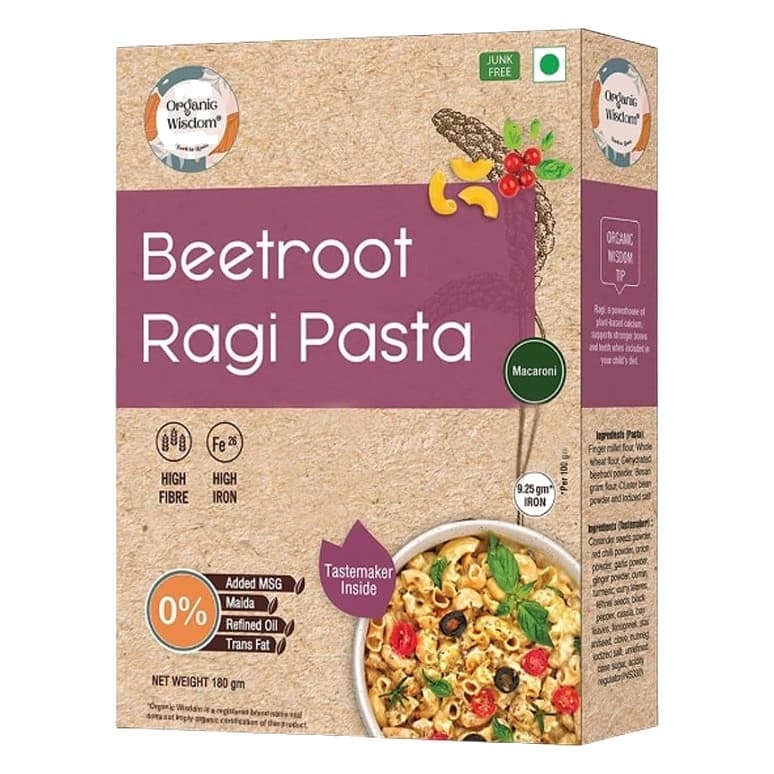
All Pasta →- Organic Wisdom Beetroot Ragi Macaroni Pasta
- +Green flag: Source of protein (11.8g)
- +Green flag: High fibre (12.4g)
- Bambino Roasted VermicelliFortified
- +Green flag: Low sodium
- +Green flag: No additives
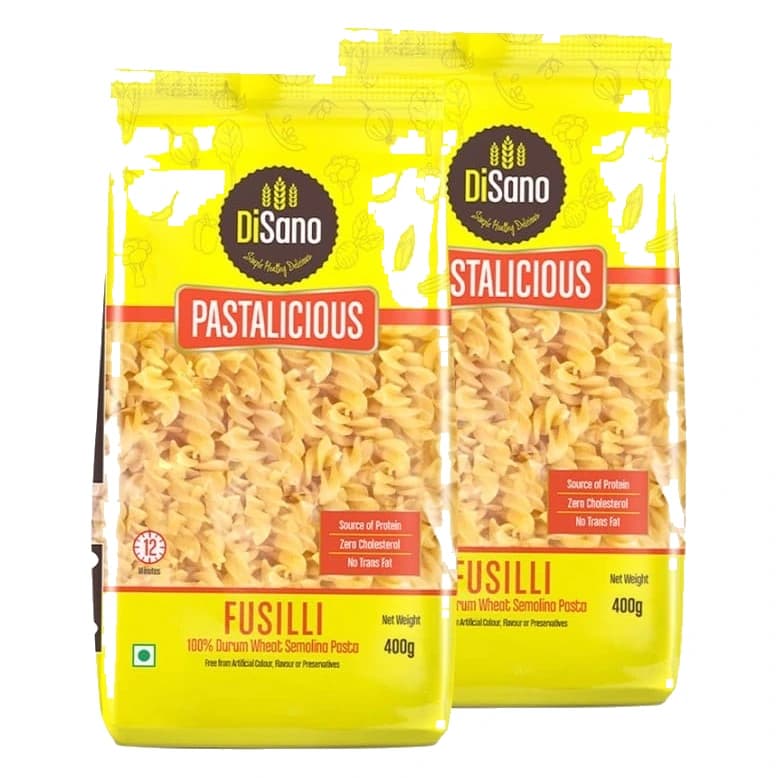
- Disano Fusilli Pasta
- +Green flag: Source of protein (11.5g)
- +Green flag: High fibre (7g)
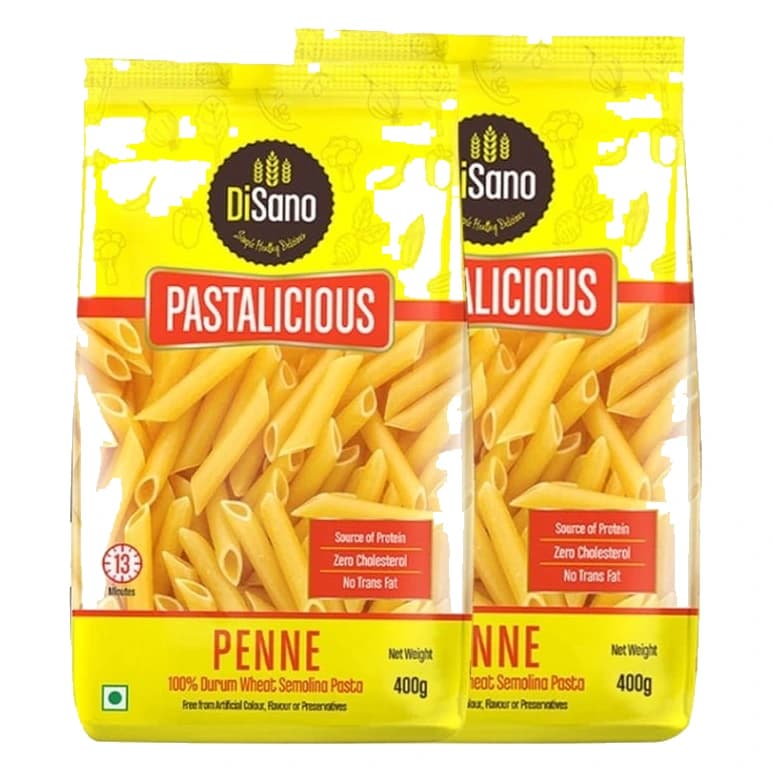
- Disano Penne Pasta
- +Green flag: Source of protein (11.5g)
- +Green flag: High fibre (7g)