Dharwad Peda
Published · Updated
MTR Dharwad Peda is a boxed Indian mithai made from sugar and milk solids, finished with palmolein oil and ghee. It scores EB4: nutrition is low because it is mostly sugar with little else, ingredients are short with no additives, and risk is high because of the sugar and saturated fat. A treat to enjoy one piece at a time.
Ingredients, decoded
5 listed- Sugar
- Milk solids (26%)
- RO water
- Refined Palmolein oil
- Ghee

10 teaspoons of sugar in every 100 g · 48.8 g total sugar, 5 g a teaspoon
| Energy | 439 kcal |
|---|---|
| Protein | 9.7 g |
| Carbohydrates | 67.3 g |
| Total sugars | 48.8 g |
| Added sugars | 42.7 g |
| Total fat | 16.5 g |
| Saturated fat | 8 g |
| Trans fat | 0 g |
| Cholesterol | 8 mg |
| Sodium | 159 mg |
Think this score is wrong?
What to know about Dharwad Peda
A milk sweet that is mostly sugar
MTR Dharwad Peda is a 200 g box of Indian milk sweet. The list is short: sugar, milk solids (26%), RO water, refined palmolein oil and ghee. It is bought as a ready-made mithai for festivals, gifting or an after-meal sweet, from a brand whose pack says Since 1924.
One piece is about 25 g and gives roughly 110 kcal, 2.4 g protein, 10.7 g added sugar and 2 g saturated fat. Per 100 g that is 439 kcal, 9.7 g protein, 42.7 g added sugar and 8 g saturated fat. The pack prints the added sugar in one piece as 21% of the daily value.
The name is honest about what it is: a milk-based sweet with real milk solids and no additives listed. But sugar comes first, ahead of the milk, and palmolein oil sits alongside the ghee. CleanPlate scores it EB4.
Why Dharwad Peda scores EB4
Nutrition is an E because the sweet is mostly sugar, with 9.7 g protein per 100 g and no fibre declared. Ingredients are a B for a short, additive-free list. Risk is a 4 on 42.7 g added sugar per 100 g.
Very low nutrient density
- Protein
- 9.7 g
- Fibre
- Not declared
- Vitamins and minerals
- None declared
- Energy
- 439 kcal
01 Nutrition density: why E
Protein is 9.7 g per 100 g, mostly from the milk solids, which supply about 8.6 g of it. That is 2.4 g in one 25 g piece. No fibre figure is declared on the panel.
No vitamins or minerals are declared, and the energy comes largely from sugar and fat, so nothing lifts the grade. With 42.7 g added sugar and 8 g saturated fat per 100 g, there is little here to earn nutrition credit.
Scored on protein, fibre and twelve vitamins and minerals, against the Codex and FSSAI "source" and "high" levels, per 100 g and per 100 kcal. Protein also has to supply at least 12.5% of the calories to count, and 25% for full credit.
Good, few concerning additives
- Base
- Sugar
- Main fat
- Refined Palmolein oil
- Sweeteners
- Sugar
- Additives
- 0
- Flagged
- Palmolein
02 Ingredient integrity: why B
The list is five items: sugar, milk solids (26%), RO water, refined palmolein oil and ghee. No additive, colour, flavour or preservative is listed, and there is no hydrogenated fat, so the declared trans fat of 0 g is accepted.
Nothing on the pack costs label points: the name, the no-preservatives line and the ingredient list agree with each other. The refined palmolein oil and the sugar-first order are what stop the ingredients grade going higher.
Scored on how processed the ingredients are, which additives are used and why, and whether the label keeps its promises.
High risk
- Added sugar
- 42.7 g
- Sodium
- 159 mg
- Saturated fat
- 8 g
- Trans fat
- 0 g
03 Load risk: why 4
Sugar is the biggest driver of the risk number: 42.7 g added sugar per 100 g, about 10.7 g in one piece. Saturated fat is 8 g per 100 g, above the 5 g high line, and comes to 2 g per piece.
Energy is 439 kcal per 100 g, about 110 kcal per piece. Sodium is low at 159 mg per 100 g, about 40 mg per piece, and trans fat is 0 g, so neither adds much.
Scored on free sugar, sodium, saturated fat and trans fat, each weighed by how strong the evidence of harm is.
Red flags
- −Red flag: High added sugar (42.7g per 100g)
- −Red flag: High saturated fat (8g)
- −Red flag: Palm oil listed
Green flags
Nothing stands out in its favour.
Does Dharwad Peda live up to its claims?
No added preservatives holds, since none is listed. Pure and Perfect is a broad phrase that the sugar-first list does not back up. The retailer page shows a shorter ingredient list than the pack.
- Product nameHolds
“Dharwad Peda”
Milk solids are 26% of the sweet and ghee is listed, so the milk-sweet name fits. Sugar is still the first ingredient.
- On the packHolds
“No Added Preservatives”
No preservative or other additive appears in the five-item ingredient list.
- On the packBe careful
“Pure and Perfect”
The list is short and additive-free, but sugar leads it and the sweet has 42.7 g added sugar per 100 g. The phrase says nothing about that.
- Retail listingBe careful
“Ingredients: Sugar, Milk Solids, Palmolein Oil”
The retailer page shows three ingredients, the pack shows five: sugar, milk solids (26%), RO water, refined palmolein oil and ghee.
What's in Dharwad Peda?
Sugar leads, then milk solids at 26%, water, palmolein oil and ghee. No additives are listed. The sugar and the saturated fat are what to watch.
The ingredient list, read for you
Sugar comes first, so it is the largest single ingredient, followed by milk solids at 26%, which give the sweet its milk base and nearly all of its protein. RO water, refined palmolein oil and ghee follow: the water for texture, the oil and ghee for fat and richness. No colour, flavour or preservative is listed.
Ingredients to watch
- Added sugarConcern
42.7 g per 100 g, about 10.7 g in one 25 g piece. The pack prints this as 21% of the daily value per piece.
- Saturated fatWorth watching
8 g per 100 g, above the 5 g high line, from ghee and palmolein oil. One piece has about 2 g.
- Refined palmolein oilWorth watching
A refined palm oil used alongside ghee. It is not hydrogenated, and trans fat is declared as 0 g.
- Milk solidsFine
26% of the sweet, giving 9.7 g protein per 100 g and about 2.4 g per piece.
- No additivesFine
No preservative, colour or flavour is listed in the five items.
What it doesn’t have
- No fibre, vitamins or minerals are declared on the panel.
Who should eat Dharwad Peda?
An occasional treat for most adults and children, and a rare one for anyone watching blood sugar or weight. One piece has 10.7 g added sugar.
- Most adultsOccasionally
One piece has about 10.7 g added sugar and 110 kcal.
- ChildrenOccasionally
10.7 g added sugar in one small piece, with little else of value.
- Diabetes or prediabetesRarely
42.7 g added sugar per 100 g makes it a fast sugar load.
- Weight managementRarely
439 kcal per 100 g, and easy to eat several pieces.
Dharwad Peda: common questions
What is the CleanPlate score of Dharwad Peda?
MTR Dharwad Peda is a boxed Indian mithai made from sugar and milk solids, finished with palmolein oil and ghee. It scores EB4: nutrition is low because it is mostly sugar with little else, ingredients are short with no additives, and risk is high because of the sugar and saturated fat. A treat to enjoy one piece at a time. Nutrition E, ingredients B, load risk 4; nutrition and ingredients run A to E, risk runs 1 to 5, and A and 1 are best.
How many calories and how much protein are in Dharwad Peda?
Per 100 g, Dharwad Peda has 439 kcal, 9.7 g protein, 67.3 g carbohydrate, 16.5 g fat and 8 g saturated fat. One serve (1 piece, 25 g) has 110 kcal and 2.4 g protein.
What are the ingredients in Dharwad Peda?
5 ingredients, in label order: Sugar, Milk solids (26%), RO water, Refined Palmolein oil, Ghee. Flagged: Palmolein (low concern).
Does Dharwad Peda live up to its claims?
4 claims checked: 2 hold, 2 need care. "Pure and Perfect" needs care: The list is short and additive-free, but sugar leads it and the sweet has 42.7 g added sugar per 100 g. The phrase says nothing about that. "Ingredients: Sugar, Milk Solids, Palmolein Oil" needs care: The retailer page shows three ingredients, the pack shows five: sugar, milk solids (26%), RO water, refined palmolein oil and ghee.
Who should limit Dharwad Peda?
Most adults: occasionally. One piece has about 10.7 g added sugar and 110 kcal. Children: occasionally. 10.7 g added sugar in one small piece, with little else of value. Diabetes or prediabetes: rarely. 42.7 g added sugar per 100 g makes it a fast sugar load.
How much sugar, salt and saturated fat does Dharwad Peda have?
Per 100 g, Dharwad Peda has 42.7 g added sugar, 159 mg sodium (about 0.4 g salt) and 8 g saturated fat. The FSSAI and UK FSA "high" lines are 10 g added sugar, 600 mg sodium and 5 g saturated fat per 100 g. It is high in sugar and saturated fat.
Last reviewed October 29, 2026. Scored with the CleanPlate method from the published label. Spotted a mistake? .
Better Indian Sweets
All Indian Sweets →- Til Chikki by Charliee
- −Red flag: High added sugar (33.3g per 100g)
- +Green flag: Source of protein (17.3g)
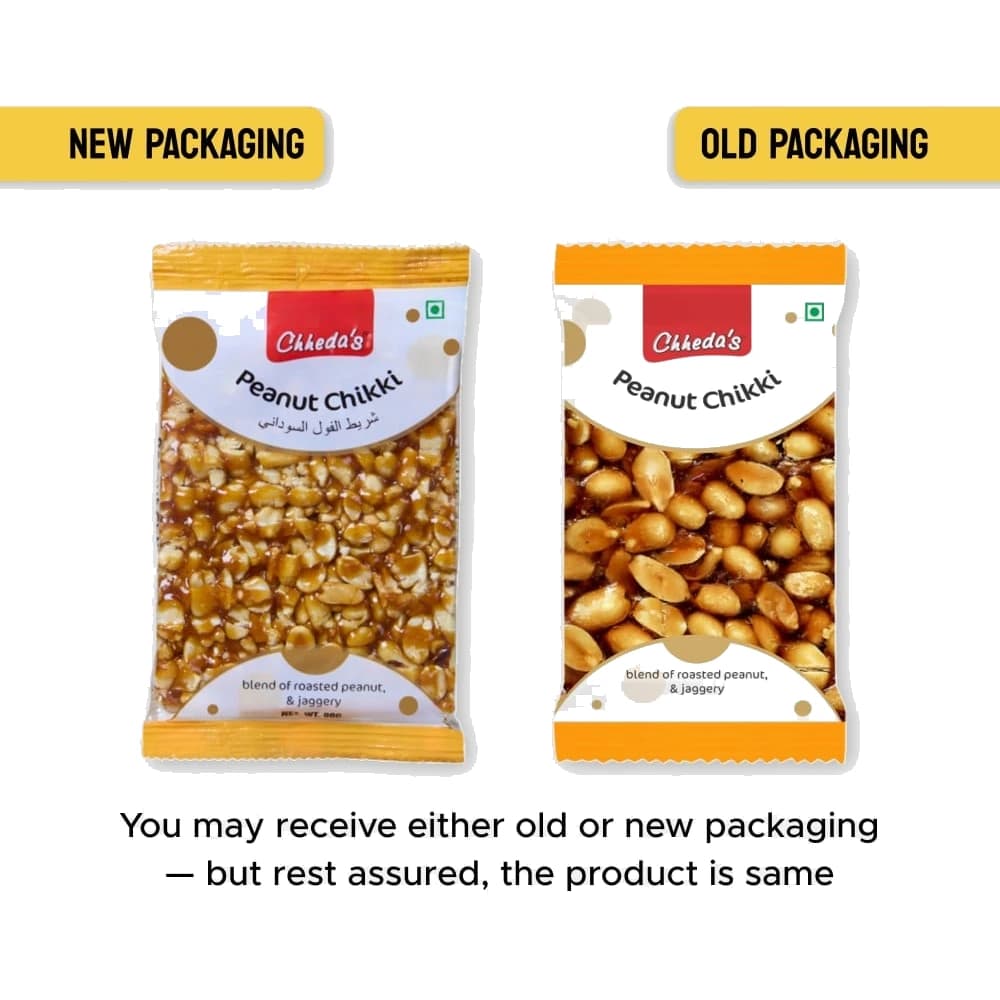
- Chheda's Peanut Chikki
- −Red flag: High sugar (40g per 100g)
- +Green flag: Source of protein (20g)
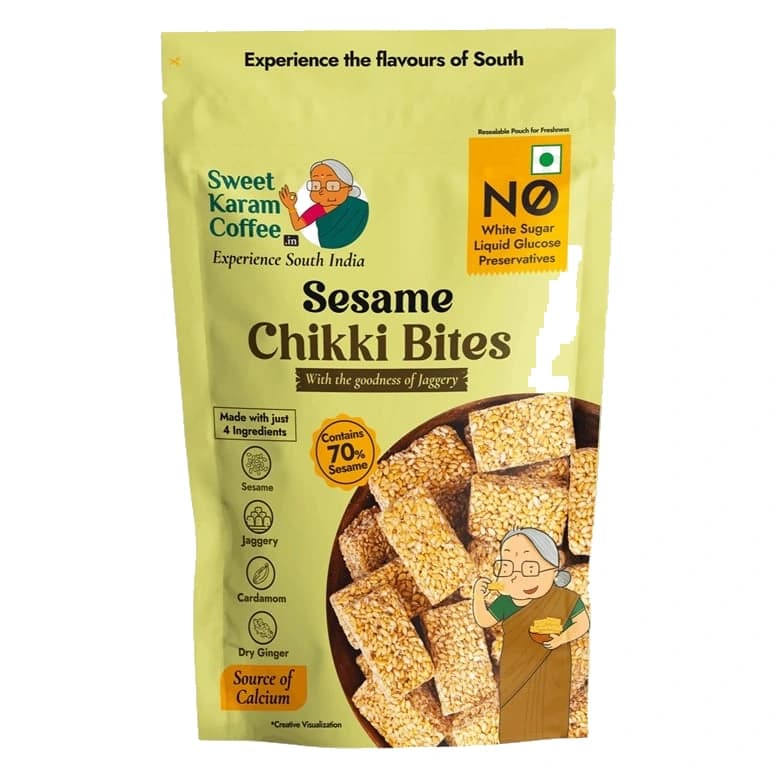
- Sweet Karam Coffee Sesame Chikki Bites
- −Red flag: High added sugar (29g per 100g)
- +Green flag: Low sodium
- Classic Kaju Katli
- −Red flag: High added sugar (38g per 100g)
- −Red flag: Contains Sodium Benzoate