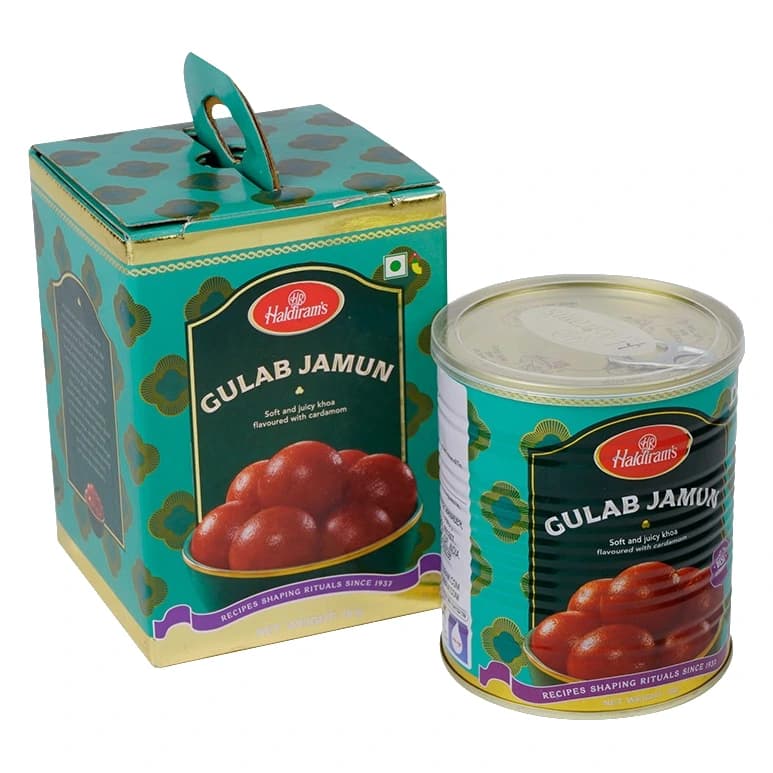
Ghee Gulab Jamun by Haldiram's
Published · Updated
Haldiram's Ghee Gulab Jamun is a dairy sweet of dumplings made from khoa and chhana, served in sugar syrup. It scores EB4: nutrition is low because there is no fibre and little protein for the calories, ingredients are clean with no additives, and risk is high because of the sugar. A treat for special occasions, best shared and eaten in small portions.
Ingredients, decoded
7 listed- Sugar Syrup
- Khoa (7%)
- Clarified Butter (Ghee)
- Chhana (Cottage Cheese)
- Refined Wheat Flour (Maida)
- Rose Water
- Cardamom
8 teaspoons of sugar in every 100 g · 40 g total sugar, 5 g a teaspoon
| Energy | 316 kcal |
|---|---|
| Protein | 6 g |
| Carbohydrates | 55 g |
| Total sugars | 40 g |
| Added sugars | 40 g |
| Total fat | 8 g |
| Saturated fat | 5 g |
| Trans fat | 0.3 g |
| Cholesterol | 70 mg |
| Sodium | 15 mg |
Think this score is wrong?
What to know about Ghee Gulab Jamun by Haldiram's
A ghee and khoa sweet soaked in sugar syrup
Haldiram's Ghee Gulab Jamun is a ready-to-eat Indian sweet sold in a 1 kg tin or box with 12 pieces and a drained weight of 380 g. The list is short: sugar syrup, khoa (7%), ghee, chhana, refined wheat flour (maida), rose water and cardamom. It is bought for festivals, gifts and family dinners, when making gulab jamun at home is more work than anyone wants.
Per 100 g it gives 316 kcal, 6 g protein, 40 g added sugar and 5 g saturated fat. The pack serve is 30 g, which works out to about 95 kcal, 12 g added sugar, 1.8 g protein and 1.5 g saturated fat. Sodium is low at 15 mg per 100 g, and no fibre, vitamins or minerals are declared.
The name promises ghee, and clarified butter is in the list. The front also promises soft, juicy khoa flavoured with cardamom, but khoa is 7% and sugar syrup comes first. There are no additives and no hollow label promise. The sugar is what holds the score back. CleanPlate scores it EB4.
Why Ghee Gulab Jamun by Haldiram's scores EB4
Nutrition is an E: 6 g protein per 100 g and no fibre or micronutrients. Ingredients are a B because the list is short with no additives. Risk is a 4 on 40 g added sugar per 100 g.
Very low nutrient density
- Protein
- 6 g
- Fibre
- Not declared
- Vitamins and minerals
- None declared
- Energy
- 316 kcal
01 Nutrition density: why E
Protein is 6 g per 100 g, mostly from chhana and khoa, which is modest against 316 kcal. No fibre is declared, and no vitamins or minerals are listed, so nothing else lifts the grade.
In one 30 g serve that is about 1.8 g protein for about 95 kcal. The energy comes mainly from sugar, with fat from ghee and khoa.
Scored on protein, fibre and twelve vitamins and minerals, against the Codex and FSSAI "source" and "high" levels, per 100 g and per 100 kcal. Protein also has to supply at least 12.5% of the calories to count, and 25% for full credit.
Good, few concerning additives
- Base
- Sugar Syrup
- Main fat
- Clarified Butter
- Sweeteners
- Sugar Syrup
- Additives
- 0
- Flagged
- Maida
02 Ingredient integrity: why B
The list is short and mostly traditional: sugar syrup, khoa, ghee, chhana, refined wheat flour, rose water and cardamom. No additives are listed, and no hydrogenated fat is present, so nothing costs ingredient points.
The pack makes no promise that the list contradicts, so there is no label integrity penalty. Refined wheat flour and the syrup-first order are the only things that stop it from scoring higher.
Scored on how processed the ingredients are, which additives are used and why, and whether the label keeps its promises.
High risk
- Added sugar
- 40 g
- Sodium
- 15 mg
- Saturated fat
- 5 g
- Trans fat
- 0.3 g
03 Load risk: why 4
Added sugar is the main driver: 40 g per 100 g, all of it declared as added. One 30 g serve has 12 g.
Saturated fat is 5 g per 100 g, right at the high line, or 1.5 g per serve. Declared trans fat is 0.3 g per 100 g, and energy is 316 kcal. Sodium is 15 mg per 100 g and adds almost nothing.
Scored on free sugar, sodium, saturated fat and trans fat, each weighed by how strong the evidence of harm is.
Red flags
- −Red flag: High added sugar (40g per 100g)
- −Red flag: Contains trans fat (0.3g)
- −Red flag: Refined flour (maida) base
Green flags
- +Green flag: Low sodium
Does Ghee Gulab Jamun by Haldiram's live up to its claims?
The ghee and dairy claims hold. The khoa that the front highlights is only 7% of the sweet, and the pack's serving count does not match its printed weights.
- Product nameHolds
“Ghee Gulab Jamun”
Clarified butter (ghee) is in the list, after sugar syrup and khoa. No percentage is given for it.
- On the packPartly true
“Soft and juicy khoa flavoured with cardamom”
Khoa is real but only 7% of the sweet, and sugar syrup leads the list. Cardamom is listed at the end.
- On the packHolds
“Dairy based dessert”
Khoa, ghee and chhana are all dairy, and the pack declares milk solids as an allergen. Sugar syrup is still the first ingredient.
- On the packBe careful
“12 servings of 30 g”
12 servings of 30 g is 360 g, but the pack also prints 1 kg net and 380 g drained for 12 pieces. Per-serve figures hold for a 30 g serve.
What's in Ghee Gulab Jamun by Haldiram's?
Sugar syrup leads, then khoa, ghee, chhana and refined flour. The sugar and the saturated fat are what to watch.
The ingredient list, read for you
Sugar syrup comes first, so the sweet is mostly syrup by weight, with khoa at 7% as the only declared percentage. Ghee, chhana and refined wheat flour (maida) follow and make up the dumpling, and rose water and cardamom give the flavour. The pack states that it contains gluten and milk solids.
Ingredients to watch
- Added sugarConcern
40 g per 100 g, all added, which is 12 g in a 30 g serve. The pack prints this as 24% of the daily value.
- Saturated fatWorth watching
5 g per 100 g from ghee and khoa, or 1.5 g per serve.
- Trans fatWorth watching
0.3 g per 100 g is declared. No hydrogenated fat is listed, so the figure is accepted as printed.
- Refined wheat flourWorth watching
Maida is in the list and adds starch with no fibre. The sweet also contains gluten.
- No additivesFine
No preservatives, colours or flavour enhancers are listed. Sodium is only 15 mg per 100 g.
What it doesn’t have
- No fibre, vitamins or minerals are declared on the panel.
Who should eat Ghee Gulab Jamun by Haldiram's?
An occasional sweet for most adults. Children, anyone with diabetes and anyone managing weight should have it occasionally or rarely.
- Most adultsOccasionally
12 g added sugar per 30 g serve is about a quarter of the day's limit.
- ChildrenOccasionally
40 g sugar per 100 g, with little protein and no fibre.
- Diabetes or prediabetesRarely
All of the 40 g sugar per 100 g is added, so a few pieces add up fast.
- Weight managementOccasionally
About 95 kcal per 30 g serve, and the energy comes mainly from sugar.
Ghee Gulab Jamun by Haldiram's: common questions
What is the CleanPlate score of Ghee Gulab Jamun by Haldiram's?
Haldiram's Ghee Gulab Jamun is a dairy sweet of dumplings made from khoa and chhana, served in sugar syrup. It scores EB4: nutrition is low because there is no fibre and little protein for the calories, ingredients are clean with no additives, and risk is high because of the sugar. A treat for special occasions, best shared and eaten in small portions. Nutrition E, ingredients B, load risk 4; nutrition and ingredients run A to E, risk runs 1 to 5, and A and 1 are best.
How many calories and how much protein are in Ghee Gulab Jamun by Haldiram's?
Per 100 g, Ghee Gulab Jamun by Haldiram's has 316 kcal, 6 g protein, 55 g carbohydrate, 8 g fat and 5 g saturated fat. One serve (30 g serve, as printed on the pack) has 95 kcal and 1.8 g protein.
What are the ingredients in Ghee Gulab Jamun by Haldiram's?
7 ingredients, in label order: Sugar Syrup, Khoa (7%), Clarified Butter (Ghee), Chhana (Cottage Cheese), Refined Wheat Flour (Maida), Rose Water, Cardamom. Flagged: Maida (low concern).
Does Ghee Gulab Jamun by Haldiram's live up to its claims?
4 claims checked: 2 hold, 1 is partly true, 1 needs care. "Soft and juicy khoa flavoured with cardamom" is partly true: Khoa is real but only 7% of the sweet, and sugar syrup leads the list. Cardamom is listed at the end. "12 servings of 30 g" needs care: 12 servings of 30 g is 360 g, but the pack also prints 1 kg net and 380 g drained for 12 pieces. Per-serve figures hold for a 30 g serve.
Who should limit Ghee Gulab Jamun by Haldiram's?
Most adults: occasionally. 12 g added sugar per 30 g serve is about a quarter of the day's limit. Children: occasionally. 40 g sugar per 100 g, with little protein and no fibre. Diabetes or prediabetes: rarely. All of the 40 g sugar per 100 g is added, so a few pieces add up fast.
How much sugar, salt and saturated fat does Ghee Gulab Jamun by Haldiram's have?
Per 100 g, Ghee Gulab Jamun by Haldiram's has 40 g added sugar, 15 mg sodium (about 0 g salt) and 5 g saturated fat. The FSSAI and UK FSA "high" lines are 10 g added sugar, 600 mg sodium and 5 g saturated fat per 100 g. It is high in sugar.
Last reviewed October 23, 2026. Scored with the CleanPlate method from the published label. Spotted a mistake? .
Better Indian Sweets
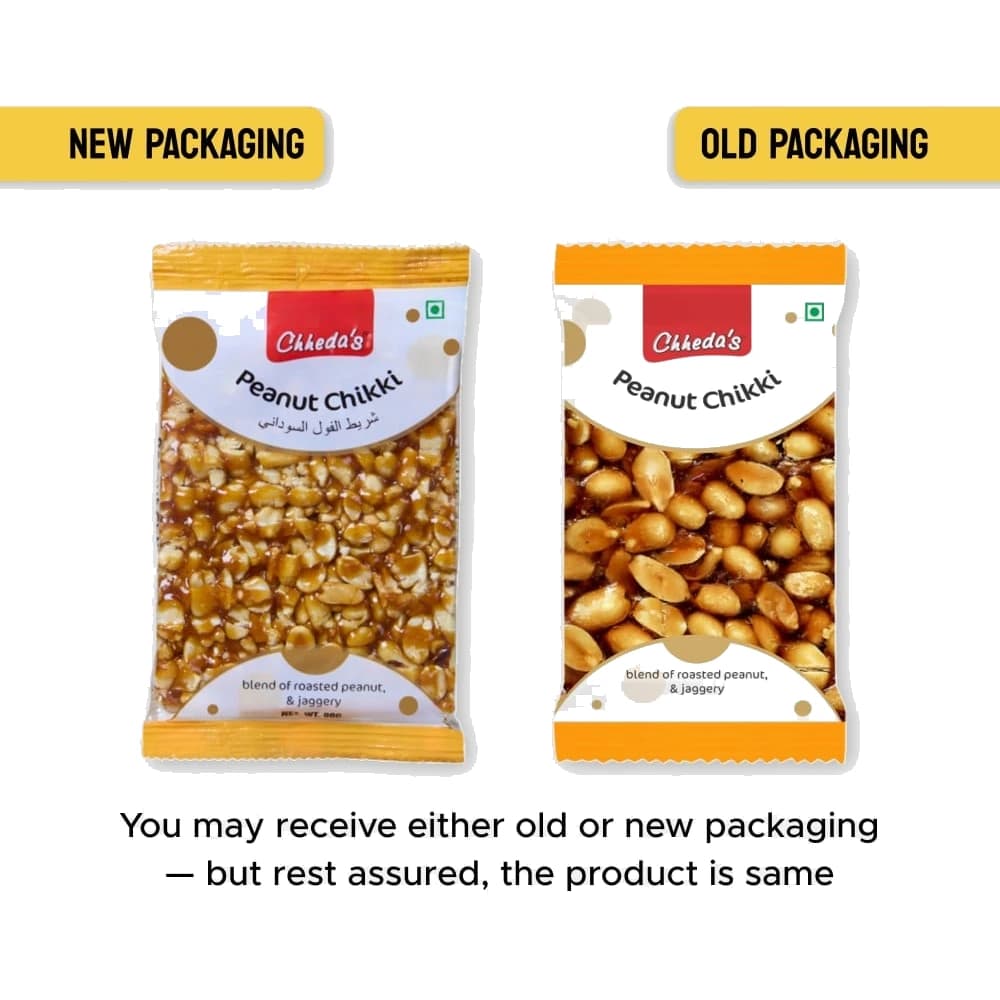
All Indian Sweets →- Chheda's Peanut Chikki
- −Red flag: High sugar (40g per 100g)
- +Green flag: Source of protein (20g)
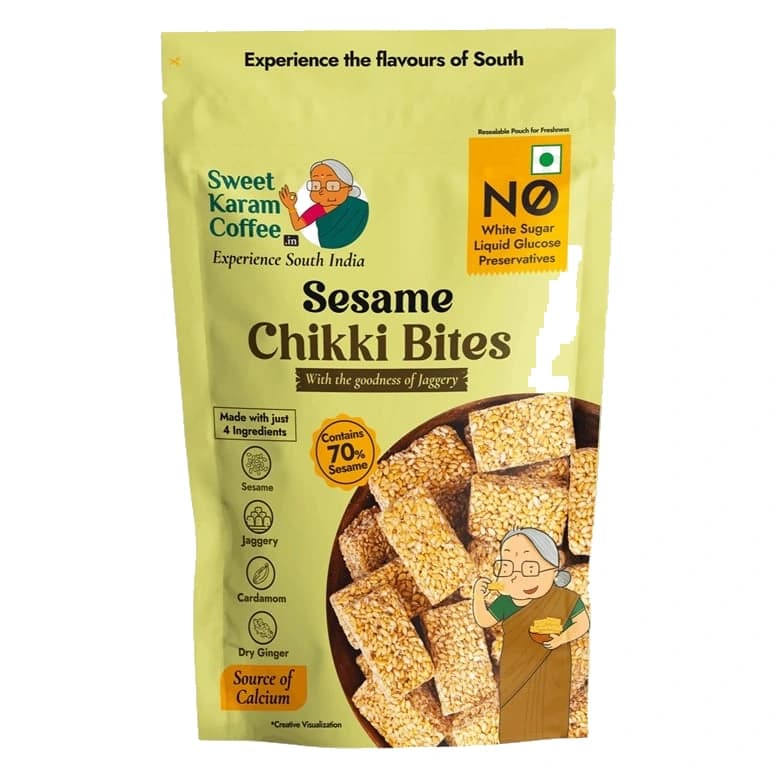
- Sweet Karam Coffee Sesame Chikki Bites
- −Red flag: High added sugar (29g per 100g)
- +Green flag: Low sodium
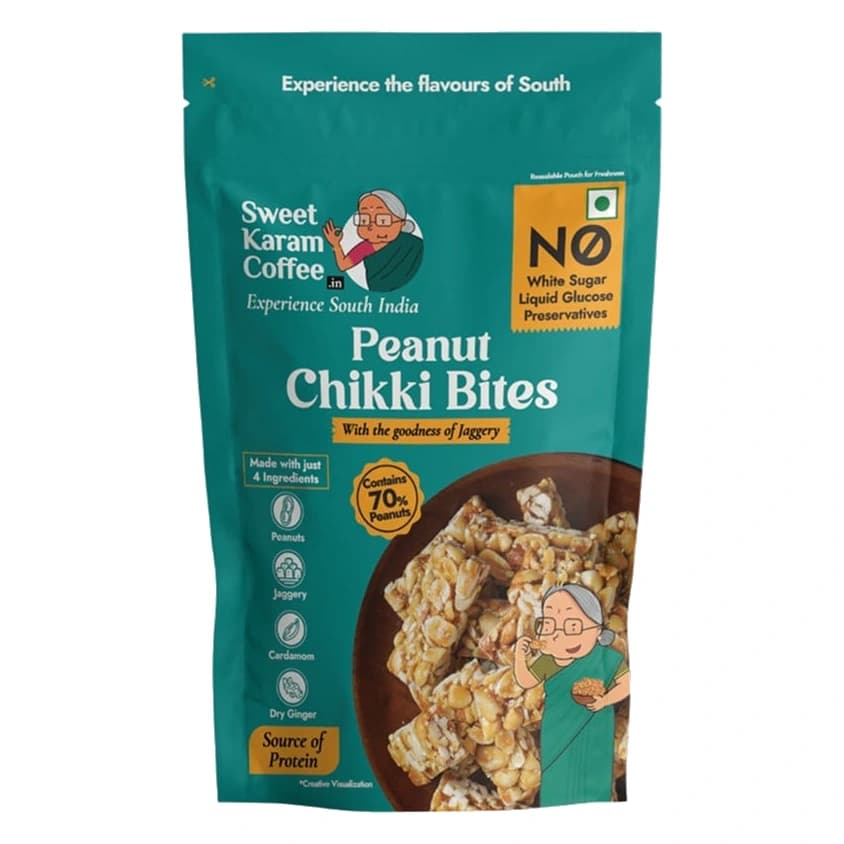
- Sweet Karam Coffee Peanut Chikki
- −Red flag: High added sugar (28.2g per 100g)
- +Green flag: Source of fibre
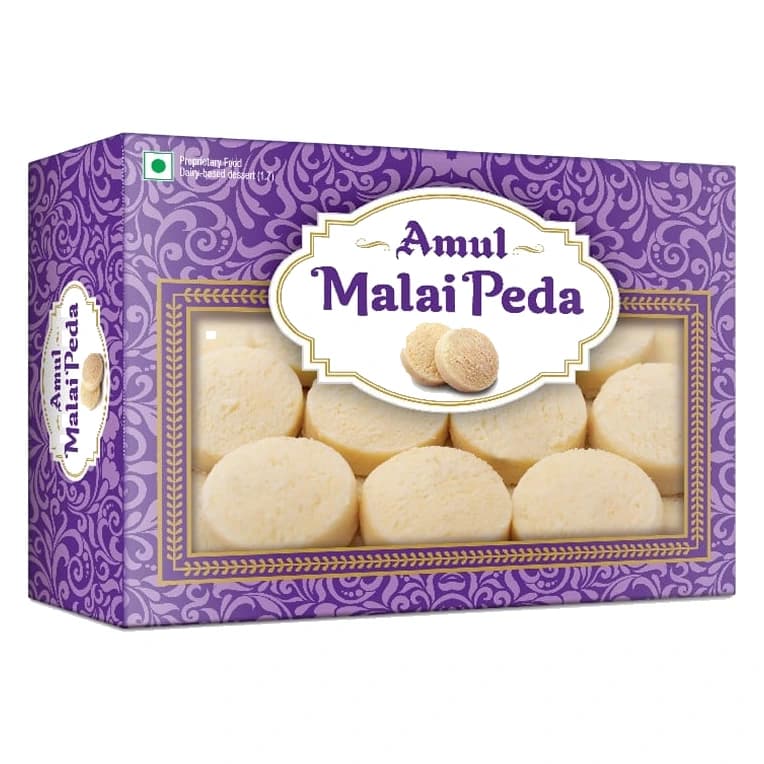
- Amul Malai Peda
- −Red flag: High added sugar (31g per 100g)
- −Red flag: High saturated fat (10.8g)