Royal Gulab Jamun by Bikano
Published · Updated
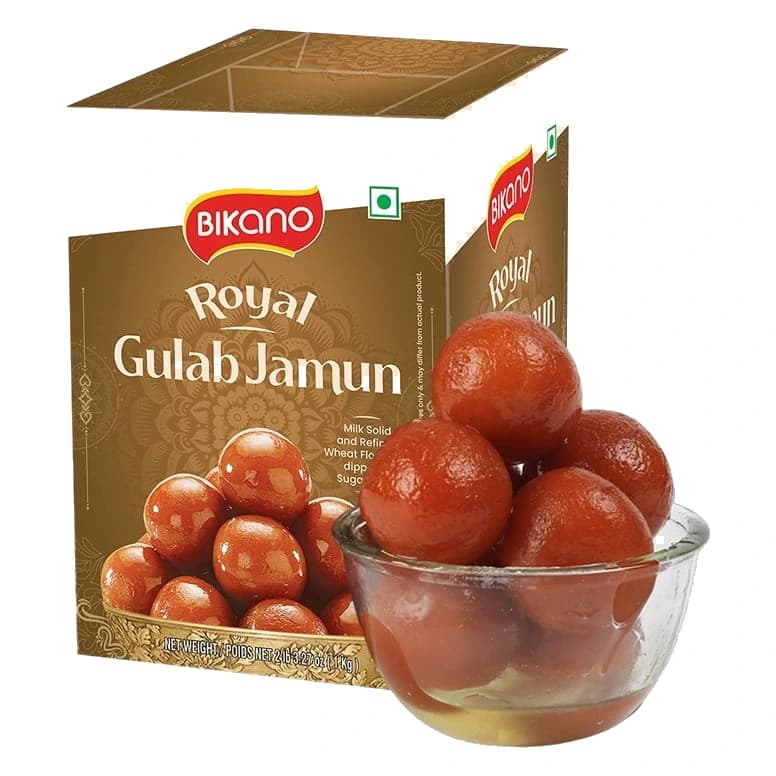
Royal Gulab Jamun by Bikano is a ready-to-eat Indian sweet of milk-based dumplings soaked in sugar syrup. It scores EB4: nutrition is very low because there is almost no protein or fibre, ingredients are decent with no additives and a short list, and risk is high because of the sugar. A once-in-a-while sweet, best shared.
Ingredients, decoded
9 listed- Sugar Syrup
- Concentrated Milk Solids
- Refined Palmolein Oil
- Milk Powder
- Chhana (from Milk)
- Refined Wheat Flour (Maida)
- Clarified Butter (from Milk)
- Corn Starch
- Cardamom
12½ teaspoons of sugar in every 100 g · 61.9 g total sugar, 5 g a teaspoon
| Energy | 330 kcal |
|---|---|
| Protein | 2 g |
| Carbohydrates | 64.3 g |
| Total sugars | 61.9 g |
| Added sugars | 60 g |
| Dietary fibre | 0 g |
| Total fat | 7.2 g |
| Saturated fat | 4.1 g |
| Trans fat | 0 g |
| Cholesterol | 25 mg |
| Sodium | 20 mg |
Think this score is wrong?
What to know about Royal Gulab Jamun by Bikano
A gulab jamun that is 82.7% sugar syrup
Royal Gulab Jamun by Bikano is a 1 kg tin of 12 ready-to-eat gulab jamun, with a drained weight of 380 g. The list is led by sugar syrup (82.7%), then concentrated milk solids (5%), refined palmolein oil, milk powder, chhana, refined wheat flour (2.2%), clarified butter, corn starch and cardamom. It is bought for festivals, gatherings and a quick dessert with no cooking.
One serve is 83.34 g, a piece with its share of syrup, and the pack counts 12 serves. Per 100 g it has 330 kcal, 2 g protein, no fibre, 60 g added sugar and 4.1 g saturated fat. In one serve that is about 275 kcal and 50 g added sugar. Sodium is low at 20 mg per 100 g.
The name and the pack describe a classic milk-based sweet, and the list agrees: milk solids, chhana and ghee are all there, with no dye, preservative or sweetener. What the pack does not say is how much of the tin is sugar. CleanPlate scores it EB4.
Why Royal Gulab Jamun by Bikano scores EB4
Nutrition is an E on 2 g protein and no fibre per 100 g. Ingredients are a B, with no additives, and risk is a 4 because added sugar is 60 g per 100 g.
Very low nutrient density
- Protein
- 2 g
- Fibre
- 0 g
- Vitamins and minerals
- None declared
- Energy
- 330 kcal
01 Nutrition density: why E
Protein is 2 g per 100 g and fibre is 0 g, so the grade earns no credit from either. The carbohydrate is 64.3 g per 100 g, almost all of it sugar.
No vitamins or minerals are declared, so nothing else lifts the grade. A serve of 83.34 g gives about 275 kcal and under 2 g of protein.
Scored on protein, fibre and twelve vitamins and minerals, against the Codex and FSSAI "source" and "high" levels, per 100 g and per 100 kcal. Protein also has to supply at least 12.5% of the calories to count, and 25% for full credit.
Good, few concerning additives
- Base
- Sugar Syrup
- Main fat
- Refined Palmolein Oil
- Sweeteners
- Sugar Syrup
- Additives
- 0
- Flagged
- Palmolein, Maida
02 Ingredient integrity: why B
The list is short and plain: milk solids, chhana, milk powder, clarified butter, maida, corn starch and cardamom, with no additives, no dye and no sweetener. No label promise is hollow, so nothing is lost on label integrity.
Sugar syrup at 82.7% and refined palmolein oil, which is listed ahead of the clarified butter, are what keep this from the top ingredient grade.
Scored on how processed the ingredients are, which additives are used and why, and whether the label keeps its promises.
High risk
- Added sugar
- 60 g
- Sodium
- 20 mg
- Saturated fat
- 4.1 g
- Trans fat
- 0 g
03 Load risk: why 4
Sugar drives the risk: 60 g of added sugar per 100 g, about 50 g in one serve. It is far the largest part of the risk number.
Saturated fat is 4.1 g per 100 g, just under the 5 g high line, and energy is 330 kcal per 100 g. Sodium is 20 mg and trans fat is 0 g, so neither adds to it.
Scored on free sugar, sodium, saturated fat and trans fat, each weighed by how strong the evidence of harm is.
Red flags
- −Red flag: High added sugar (60g per 100g)
- −Red flag: Palm oil listed
- −Red flag: Refined flour (maida) base
Green flags
- +Green flag: Low sodium
Does Royal Gulab Jamun by Bikano live up to its claims?
The name holds, since the list has milk solids, chhana and ghee. The vague quality words cannot be checked, and the sweetness line sits on 60 g added sugar per 100 g.
- Product nameHolds
“Royal Gulab Jamun”
The list is what a gulab jamun is made of: concentrated milk solids 5%, milk powder, chhana, refined wheat flour 2.2% and clarified butter, soaked in sugar syrup.
- On the packBe careful
“Authentic sweet dish”
The milk base and ghee are traditional, but refined palmolein oil is listed ahead of the clarified butter.
- On the packBe careful
“Finest quality”
This cannot be measured. What the label shows is a short list with no additives, and sugar syrup at 82.7%.
- On the packBe careful
“Add a little more sweetness in your life”
True to the product, though not a little: 60 g added sugar per 100 g, about 50 g in one serve.
What's in Royal Gulab Jamun by Bikano?
Sugar syrup makes up 82.7% of the list, with milk solids, palmolein oil, milk powder and chhana behind it. The sugar is what to watch.
The ingredient list, read for you
Sugar syrup comes first at 82.7%, so most of the tin is syrup. Concentrated milk solids (5%), milk powder and chhana make up the milk dumpling, with refined wheat flour (2.2%) and corn starch to bind it. Refined palmolein oil and clarified butter add the fat, and cardamom gives the flavour.
The pack carries an allergen alert for wheat, gluten and milk.
Ingredients to watch
- Added sugarConcern
60 g per 100 g, about 50 g in one 83.34 g serve. It drives the risk grade.
- Low protein and no fibreWorth watching
2 g protein and 0 g fibre per 100 g, so the sweet does little to fill you up.
- Saturated fatWorth watching
4.1 g per 100 g, from refined palmolein oil, milk fat and ghee. One serve has about 3.4 g.
- No additivesFine
No dye, preservative, flavour enhancer or sweetener is listed, and trans fat is declared as 0 g.
- SodiumFine
20 mg per 100 g, very low.
What it doesn’t have
- No fibre and no vitamins or minerals are declared on the panel.
Who should eat Royal Gulab Jamun by Bikano?
An occasional sweet for most adults, and rarely for children or anyone managing blood sugar or weight, since one serve carries about 50 g added sugar.
- Most adultsOccasionally
One serve has about 50 g added sugar and 275 kcal.
- ChildrenRarely
A serve carries about 50 g added sugar and little protein.
- Diabetes or prediabetesRarely
60 g added sugar per 100 g, mostly in the syrup.
- Weight managementRarely
About 275 kcal per serve with 2 g protein and no fibre.
Royal Gulab Jamun by Bikano: common questions
What is the CleanPlate score of Royal Gulab Jamun by Bikano?
Royal Gulab Jamun by Bikano is a ready-to-eat Indian sweet of milk-based dumplings soaked in sugar syrup. It scores EB4: nutrition is very low because there is almost no protein or fibre, ingredients are decent with no additives and a short list, and risk is high because of the sugar. A once-in-a-while sweet, best shared. Nutrition E, ingredients B, load risk 4; nutrition and ingredients run A to E, risk runs 1 to 5, and A and 1 are best.
How many calories and how much protein are in Royal Gulab Jamun by Bikano?
Per 100 g, Royal Gulab Jamun by Bikano has 330 kcal, 2 g protein, 64.3 g carbohydrate, 7.2 g fat and 4.1 g saturated fat. One serve (1 piece with syrup, 83.34 g) has 275 kcal and 1.7 g protein.
What are the ingredients in Royal Gulab Jamun by Bikano?
9 ingredients, in label order: Sugar Syrup, Concentrated Milk Solids, Refined Palmolein Oil, Milk Powder, Chhana (from Milk), Refined Wheat Flour (Maida), Clarified Butter (from Milk), Corn Starch, Cardamom. Flagged: Palmolein (low concern), Maida (low concern).
Does Royal Gulab Jamun by Bikano live up to its claims?
4 claims checked: 1 holds, 3 need care. "Authentic sweet dish" needs care: The milk base and ghee are traditional, but refined palmolein oil is listed ahead of the clarified butter. "Finest quality" needs care: This cannot be measured. What the label shows is a short list with no additives, and sugar syrup at 82.7%.
Who should limit Royal Gulab Jamun by Bikano?
Most adults: occasionally. One serve has about 50 g added sugar and 275 kcal. Children: rarely. A serve carries about 50 g added sugar and little protein. Diabetes or prediabetes: rarely. 60 g added sugar per 100 g, mostly in the syrup.
How much sugar, salt and saturated fat does Royal Gulab Jamun by Bikano have?
Per 100 g, Royal Gulab Jamun by Bikano has 60 g added sugar, 20 mg sodium (about 0.1 g salt) and 4.1 g saturated fat. The FSSAI and UK FSA "high" lines are 10 g added sugar, 600 mg sodium and 5 g saturated fat per 100 g. It is high in sugar.
Last reviewed October 24, 2026. Scored with the CleanPlate method from the published label. Spotted a mistake? .
Better Indian Sweets
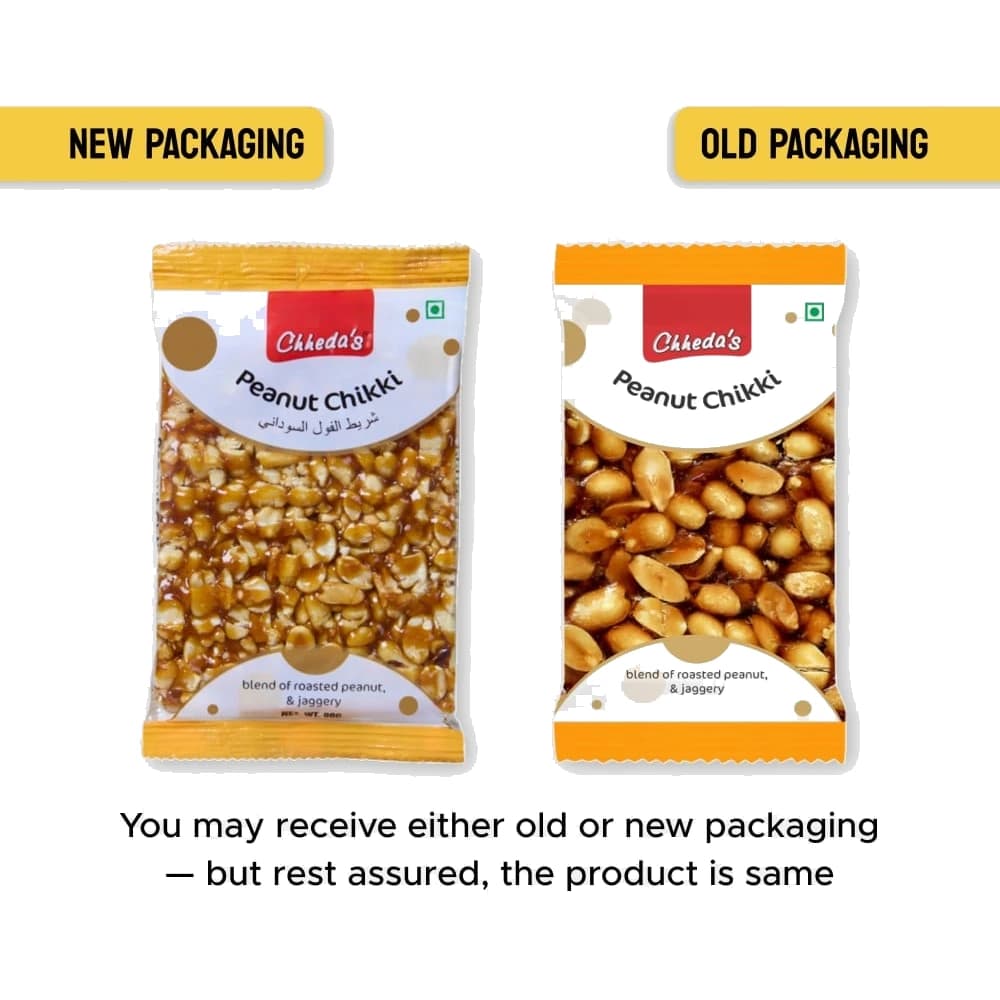
All Indian Sweets →- Chheda's Peanut Chikki
- −Red flag: High sugar (40g per 100g)
- +Green flag: Source of protein (20g)
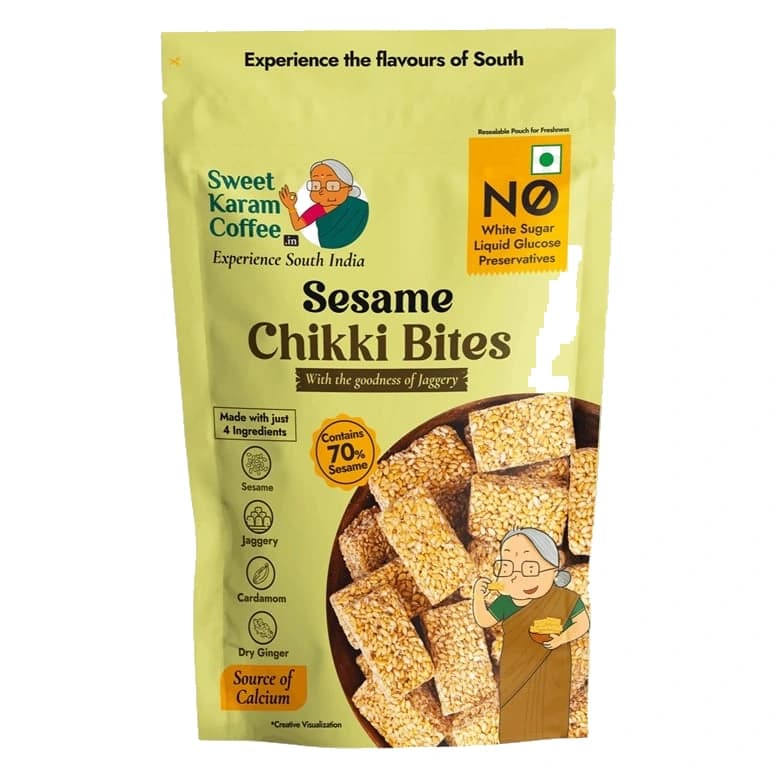
- Sweet Karam Coffee Sesame Chikki Bites
- −Red flag: High added sugar (29g per 100g)
- +Green flag: Low sodium
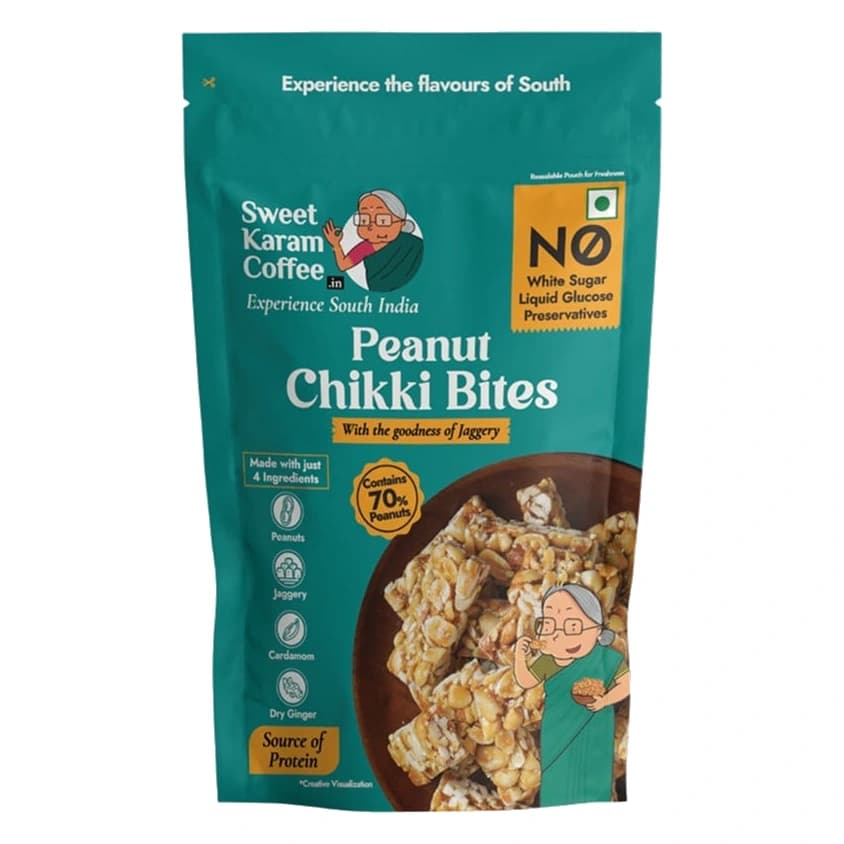
- Sweet Karam Coffee Peanut Chikki
- −Red flag: High added sugar (28.2g per 100g)
- +Green flag: Source of fibre
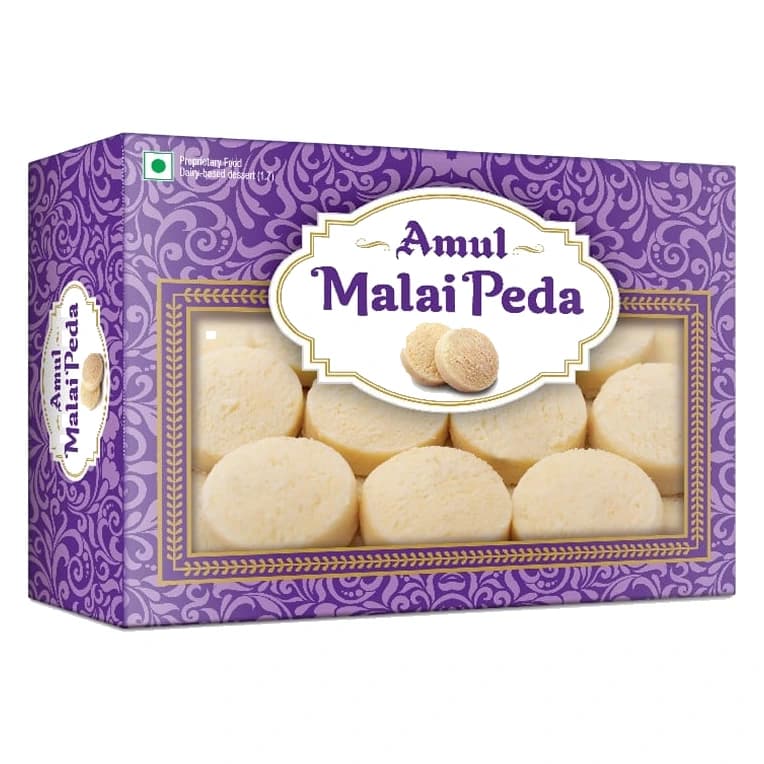
- Amul Malai Peda
- −Red flag: High added sugar (31g per 100g)
- −Red flag: High saturated fat (10.8g)