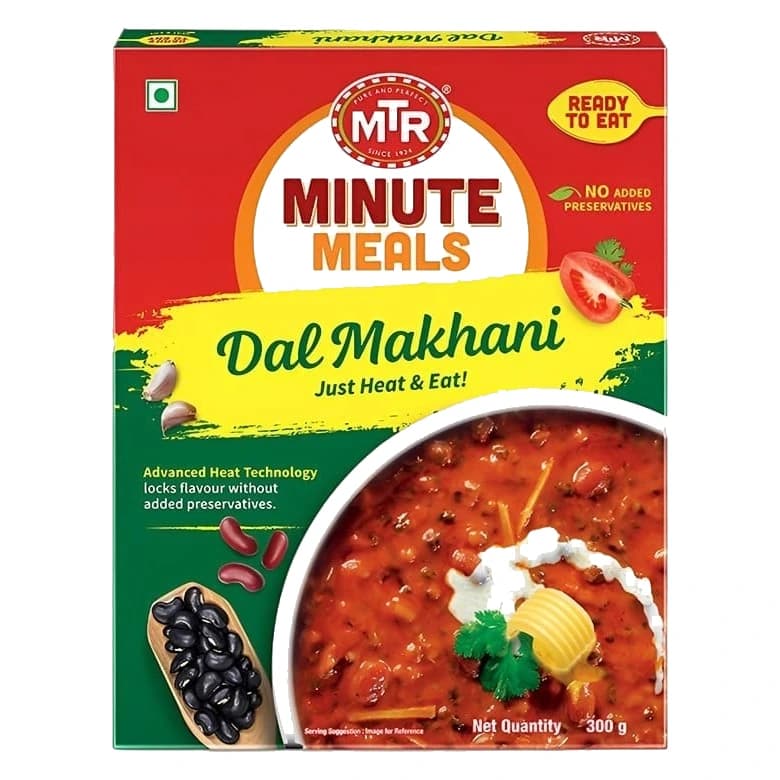
MTR Dal Makhani Ready to Eat
Published
MTR Dal Makhani Ready to Eat is a heat-and-eat pouch of black gram dal finished with butter and cream. It scores EA2: nutrition is low because protein is modest and no fibre is declared, ingredients are plain, with no additives, and risk is low, with saturated fat and sodium the main drivers. Handy with roti or rice a few times a week.
Ingredients, decoded
16 listed- Water
- Black gram dal (12%)
- Butter
- Tomato paste (4.3%)
- Red kidney beans (1.4%)
- Garlic (1.2%)
- Ginger
- Refined sunflower oil
- Salt
- Dairy Cream
- Coriander leaves (0.2%)
- Red chilli
- Green chilli
- Mixed spices
- Sugar
- Dried fenugreek leaves
The label gives no sugar figure, so there is nothing to count in teaspoons.
| Energy | 87 kcal |
|---|---|
| Protein | 3.1 g |
| Carbohydrates | 6.7 g |
| Added sugars | 0.1 g |
| Total fat | 5.3 g |
| Saturated fat | 2.8 g |
| Trans fat | 0.18 g |
| Sodium | 232 mg |
Think this score is wrong?
What to know about MTR Dal Makhani Ready to Eat
Clean ingredient list, thin nutrition, buttery fat
A 300 g ready-to-eat pouch of dal makhani, built from water, black gram dal (12%), butter, tomato paste (4.3%), red kidney beans (1.4%), garlic (1.2%), ginger, sunflower oil and cream. It is bought as a quick restaurant-style dal that can be heated in a microwave, on the stove or in boiling water, and the pack says it serves 2.
Per 100 g it has 87 kcal, 3.1 g protein, 6.7 g carbohydrate, 5.3 g fat, 2.8 g saturated fat and 232 mg sodium. Half the pouch, about 150 g, comes to roughly 131 kcal, 4.7 g protein, 4.2 g saturated fat and 348 mg sodium. The whole pouch is about 261 kcal.
The pack promises no added preservatives, no hydrogenated fats and no artificial colour, and the ingredient list agrees on all three. What it does not offer is much protein or any declared fibre for a dish named after dal. CleanPlate scores it EA2.
Why MTR Dal Makhani Ready to Eat scores EA2
Nutrition is an E because protein is only 3.1 g per 100 g and no fibre or micronutrients are declared. Ingredients are an A, with no additives, and risk is a 2 on 2.8 g saturated fat and 232 mg sodium.
Very low nutrient density
- Protein
- 3.1 g
- Fibre
- Not declared
- Vitamins and minerals
- None declared
- Energy
- 87 kcal
01 Nutrition density: why E
Protein is 3.1 g per 100 g, mostly from black gram dal at 12% of the pouch. The dish is water-rich at 87 kcal per 100 g, so there is little nutrient density to earn credit.
No fibre, vitamins or minerals are declared, so nothing else adds to the grade.
Scored on protein, fibre and twelve vitamins and minerals, against the Codex and FSSAI "source" and "high" levels, per 100 g and per 100 kcal. Protein also has to supply at least 12.5% of the calories to count, and 25% for full credit.
Clean, minimally processed
- Base
- Water
- Main fat
- Butter
- Sweeteners
- Sugar
- Additives
- 0
- Flagged
- None
02 Ingredient integrity: why A
The list is short and plain: water, black gram dal, butter, tomato paste, kidney beans, garlic, ginger, sunflower oil and salt, with cream, herbs, spices and a little sugar after. The main ingredients carry declared percentages.
No additive is listed, no hydrogenated fat is listed, and none of the pack's promises is hollow, so nothing here costs ingredient points.
Scored on how processed the ingredients are, which additives are used and why, and whether the label keeps its promises.
Low risk
- Added sugar
- 0.1 g
- Sodium
- 232 mg
- Saturated fat
- 2.8 g
- Trans fat
- 0.18 g
03 Load risk: why 2
Sodium and saturated fat share the risk almost equally. Saturated fat is 2.8 g per 100 g, about half the 5 g high line, and sodium is 232 mg per 100 g. Half a pouch has 4.2 g saturated fat and 348 mg sodium.
Trans fat is declared at 0.18 g per 100 g and is accepted because no hydrogenated fat is listed. Added sugar is 0.1 g, so it plays almost no part.
Scored on free sugar, sodium, saturated fat and trans fat, each weighed by how strong the evidence of harm is.
Red flags
No major red flags on the label.
Green flags
- +Green flag: No additives
Does MTR Dal Makhani Ready to Eat live up to its claims?
The preservative, hydrogenated fat and colour claims all hold, since none is in the list. Black gram dal is the main ingredient after water, at 12%, so the dal makhani name holds.
- Product nameHolds
“Dal Makhani”
Black gram dal is 12% and red kidney beans are 1.4%, finished with butter and cream, which is what the name describes.
- On the packHolds
“No added preservatives”
No preservative or other additive appears in the ingredient list.
- On the packHolds
“No Hydrogenated Fats”
The fats listed are butter, refined sunflower oil and dairy cream. Trans fat is declared at 0.18 g per 100 g.
- On the packHolds
“No Artificial Colour”
No colour is listed. The colour comes from tomato paste and the spices.
- On the packHolds
“Serves 2”
The 300 g pouch gives about 150 g each, roughly 131 kcal per serve.
What's in MTR Dal Makhani Ready to Eat?
Water, black gram dal, butter and tomato paste lead a short list with no additives. The butter and cream bring the saturated fat, and the salt brings the sodium.
The ingredient list, read for you
Water leads, then black gram dal (12%), butter and tomato paste (4.3%), so the pouch is a thin, buttery dal in a tomato base. Red kidney beans (1.4%), garlic (1.2%), ginger and coriander leaves (0.2%) add body and flavour. Sunflower oil, dairy cream and butter supply the richness, and salt, chillies, mixed spices, a little sugar and dried fenugreek leaves finish it.
Ingredients to watch
- Thin nutrition panelConcern
Protein is 3.1 g per 100 g and no fibre, vitamins or minerals are declared, which is why the nutrition grade is the lowest.
- Saturated fatWorth watching
2.8 g per 100 g from butter and cream, 4.2 g in half a pouch.
- SodiumWorth watching
232 mg per 100 g, 348 mg in half a pouch.
- Trans fatWorth watching
Declared at 0.18 g per 100 g. No hydrogenated fat is listed.
- No additivesFine
No preservative, colour or flavour enhancer is in the list, and added sugar is 0.1 g per 100 g.
What it doesn’t have
- No fibre, vitamins or minerals are declared on the panel, which is unusual for a dish built on dal and beans.
Who should eat MTR Dal Makhani Ready to Eat?
A few times a week for most adults. Children can have it as part of a meal, and anyone watching blood pressure should keep it occasional, since half a pouch has 348 mg sodium.
- Most adultsA few times a week
Half a pouch has about 131 kcal, 4.2 g saturated fat and 348 mg sodium.
- ChildrenA few times a week
No dye, sweetener or hydrogenated fat, and only 0.1 g added sugar per 100 g.
- High blood pressureOccasionally
348 mg sodium in half a pouch, before bread or rice.
- Weight managementA few times a week
About 131 kcal per half pouch, with modest protein at 4.7 g.
Recipes with MTR Dal Makhani Ready to Eat
Serve it with roti, rice or paratha as the pack suggests. The bread or rice sets the size of the meal, since half a pouch alone is about 131 kcal.
Dal makhani with roti
Heat half the pouch and serve with roti or chapati, which adds the bulk that 131 kcal of dal alone lacks.
Dal makhani with jeera rice
Pair 150 g of dal with plain rice, so the 4.7 g protein sits alongside a filling carbohydrate.
Dal with a side salad
Serve with sliced cucumber, onion and tomato to add the fibre and freshness the panel does not declare.
MTR Dal Makhani Ready to Eat: common questions
What is the CleanPlate score of MTR Dal Makhani Ready to Eat?
MTR Dal Makhani Ready to Eat is a heat-and-eat pouch of black gram dal finished with butter and cream. It scores EA2: nutrition is low because protein is modest and no fibre is declared, ingredients are plain, with no additives, and risk is low, with saturated fat and sodium the main drivers. Handy with roti or rice a few times a week. Nutrition E, ingredients A, load risk 2; nutrition and ingredients run A to E, risk runs 1 to 5, and A and 1 are best.
How many calories and how much protein are in MTR Dal Makhani Ready to Eat?
Per 100 g, MTR Dal Makhani Ready to Eat has 87 kcal, 3.1 g protein, 6.7 g carbohydrate, 5.3 g fat and 2.8 g saturated fat. One serve (150 g, half the pouch (typical serve; pack says serves 2)) has 131 kcal and 4.7 g protein.
What are the ingredients in MTR Dal Makhani Ready to Eat?
16 ingredients, in label order: Water, Black gram dal (12%), Butter, Tomato paste (4.3%), Red kidney beans (1.4%), Garlic (1.2%), Ginger, Refined sunflower oil, Salt, Dairy Cream, Coriander leaves (0.2%), Red chilli, Green chilli, Mixed spices, Sugar, Dried fenugreek leaves.
Does MTR Dal Makhani Ready to Eat live up to its claims?
5 claims checked: 5 hold.
Who should limit MTR Dal Makhani Ready to Eat?
Most adults: a few times a week. Half a pouch has about 131 kcal, 4.2 g saturated fat and 348 mg sodium. Children: a few times a week. No dye, sweetener or hydrogenated fat, and only 0.1 g added sugar per 100 g. High blood pressure: occasionally. 348 mg sodium in half a pouch, before bread or rice.
How much sugar, salt and saturated fat does MTR Dal Makhani Ready to Eat have?
Per 100 g, MTR Dal Makhani Ready to Eat has 0.1 g added sugar, 232 mg sodium (about 0.6 g salt) and 2.8 g saturated fat. The FSSAI and UK FSA "high" lines are 10 g added sugar, 600 mg sodium and 5 g saturated fat per 100 g. It is under all three lines.
Last reviewed October 27, 2026. Scored with the CleanPlate method from the published label. Spotted a mistake? .
Better Ready-to-Eat Meals
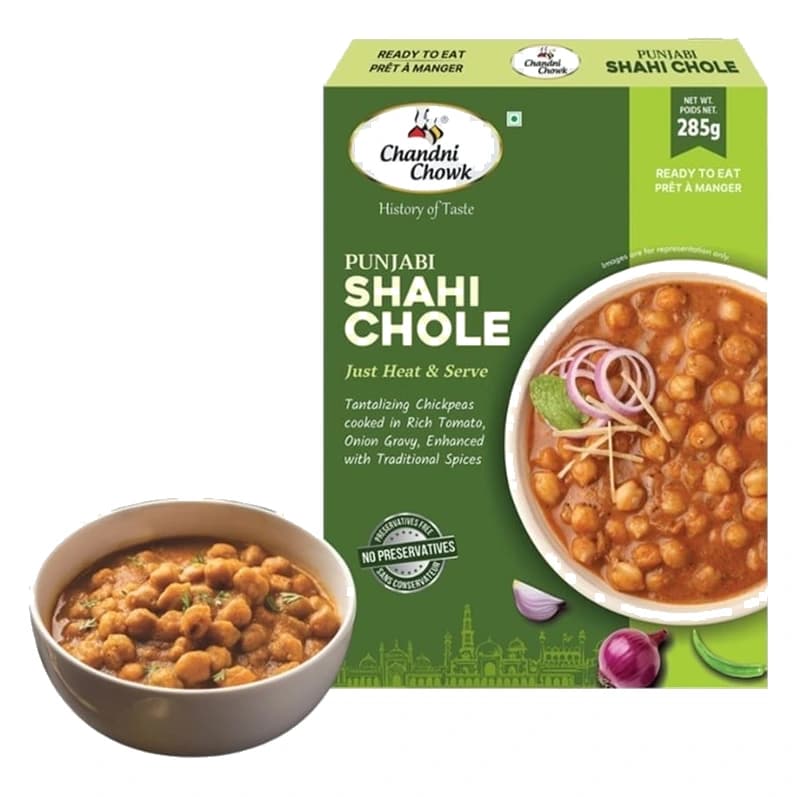
All Ready-to-Eat Meals →- Chandni Chowk Punjabi Shahi Chole Ready to Eat
- +Green flag: High fibre (8g)
- +Green flag: No additives
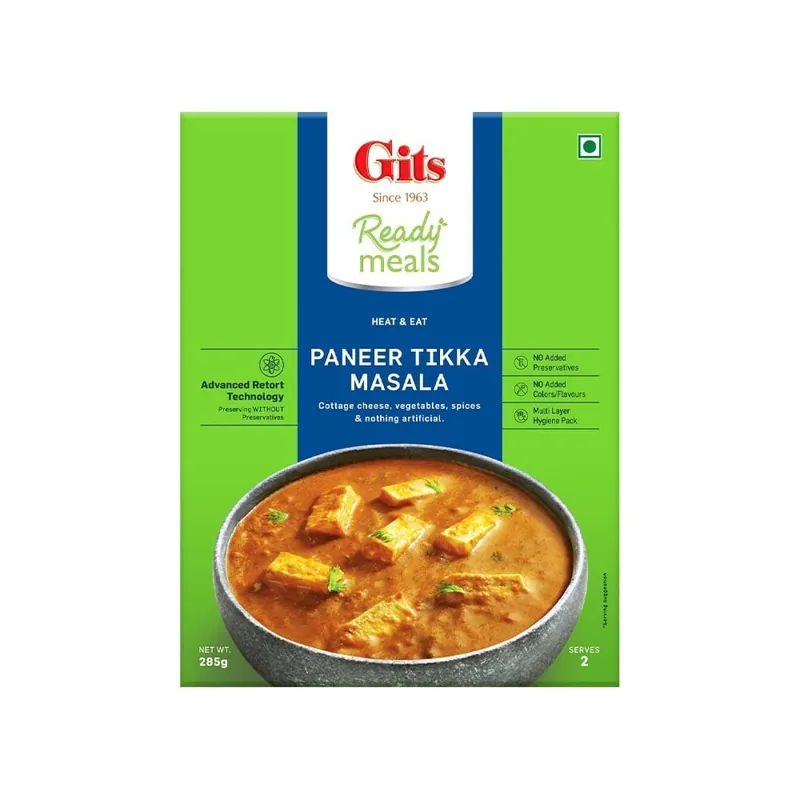
- Gits Paneer Tikka Masala Ready to Eat
- −Red flag: High saturated fat (6.2g)
- +Green flag: Source of protein (8g)
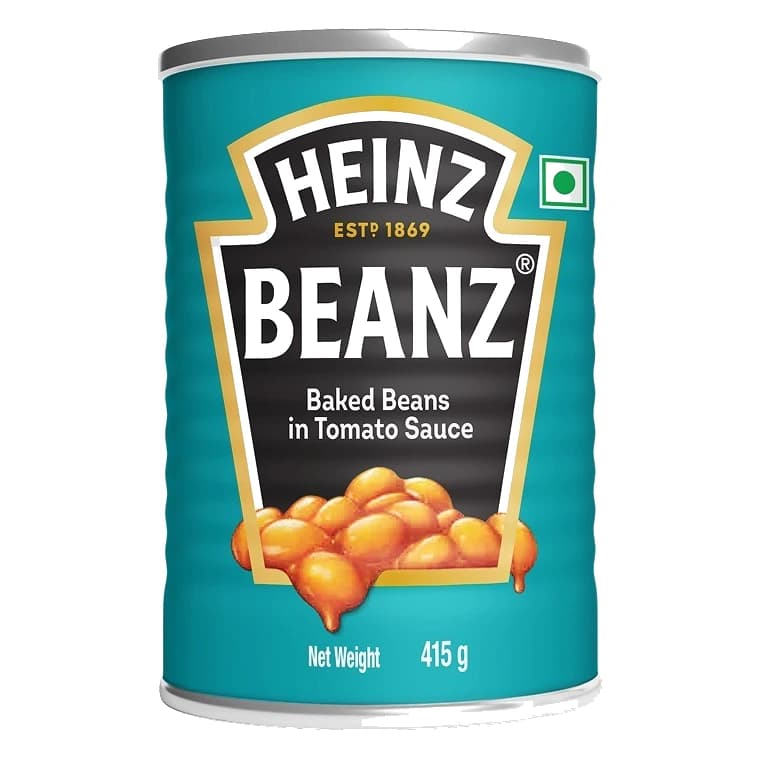
- Heinz Baked Beans in Tomato Sauce
- +Green flag: Source of fibre
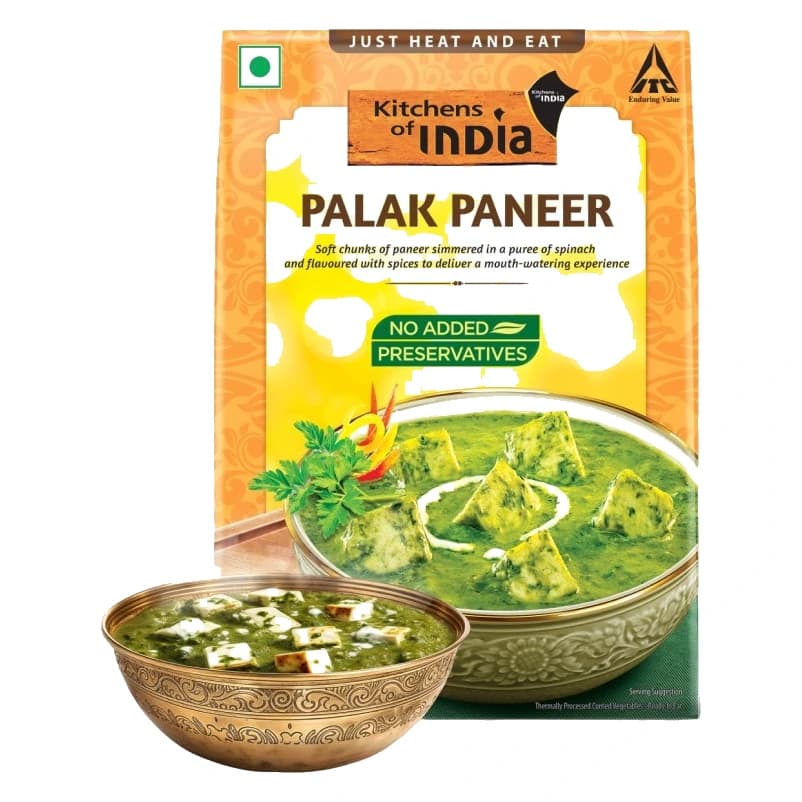
- Kitchens of India Palak Paneer Ready to Eat
- +Green flag: Source of protein (5.5g)
- +Green flag: No additives