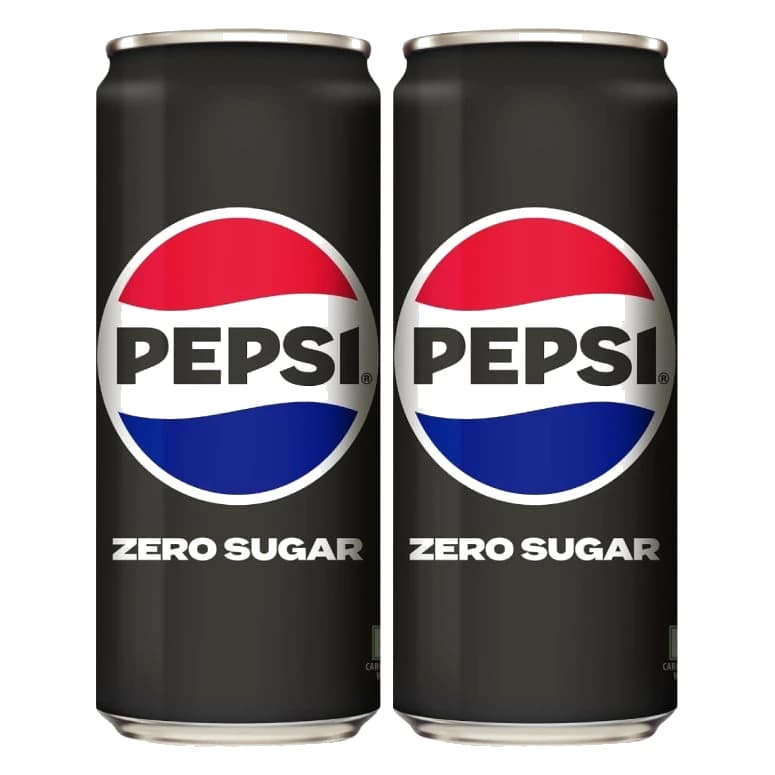
Pepsi Zero Sugar Soft Drink
Red flags
- −Red flag: Contains Caramel Colour (Class IV)
- −Red flag: Contains Sodium Benzoate
Green flags
- +Green flag: No added sugar
- +Green flag: Low sodium
Ingredients, decoded
8 listed- Carbonated Water
- Colour (150d)
- Acidity Regulators (338, 330)
- Sweeteners (955, 950)
- Preservative (211)
- Caffeine (13mg/100g)
- Flavour (Natural Flavouring Substances)
- Stabilizer (436)
Our take
CleanPlate reviewZero-sugar cola with caffeine and phosphoric acid
Pepsi Zero Sugar is a 300 ml cola of carbonated water, caramel colour, phosphoric and citric acid, sucralose, acesulfame potassium, sodium benzoate, caffeine, flavour and a stabiliser. The panel is printed per 100 ml.
CleanPlate scores it ED4. The E for nutrition is low: almost no credited protein, fibre or micronutrients per 100 ml. The D for ingredients reflects mostly refined or industrial ingredients, with additives that cost points: caramel colour, sucralose, acesulfame potassium and phosphoric acid. The 4 for risk comes mainly from the combined load of sodium, sugar and fat. The caffeine statement sets a floor of 4 on this axis.
Claims vs reality
What the pack says, checked against the ingredient list and nutrition panel.
- Product nameHolds
“Zero Sugar”
0 g sugar and 0 kcal per 100 ml.
- On the packHolds
“Contain non-caloric sweeteners”
Sucralose (955) and acesulfame potassium (950) are listed.
- On the packHolds
“Not recommended for children; pregnant or lactating women”
A caffeine caution printed on the pack; the list shows 13 mg caffeine per 100 g.
How ED4 breaks down
Each grade is scored on its own. Here are the label numbers behind each one, per 100 ml.
Very low nutrient density
- Protein
- 0 g
- Fibre
- Not declared
- Vitamins and minerals
- None declared
- Energy
- 0 kcal
Scored on protein, fibre and twelve vitamins and minerals, against the Codex and FSSAI "source" and "high" levels, per 100 g and per 100 kcal.
Heavily processed or flagged substances
- Base
- Carbonated Water
- Sweeteners
- None added
- Additives
- 3
- Flagged
- Caramel Colour (Class IV), Sodium Benzoate
Scored on how processed the ingredients are, which additives are used and why, and whether the label keeps its promises.
High risk
- Added sugar
- 0 g
- Sodium
- 6 mg
- Saturated fat
- 0 g
- Trans fat
- 0 g
Scored on free sugar, sodium, saturated fat and trans fat, each weighed by how strong the evidence of harm is.
A closer look
Does the label add up?
Carbonated water, caramel colour (150d), acidity regulators (phosphoric acid 338, citric acid 330), sweeteners (sucralose 955, acesulfame potassium 950), preservative (sodium benzoate 211), caffeine (13 mg per 100 g), natural flavouring substances and a stabiliser (436).
Per 100 ml: 0 kcal, 0 g fat of which 0 g saturated, 0 g sugar of which 0 g added, 0 g protein, 6 mg sodium. Every macro is declared 0 and sodium is 6 mg. Two panels differ only in servings per pack (1.5 and 1.7); the per 100 ml values are identical.
Ingredients to watch
- Caramel colour 150dConcern
Costs 4 points on ingredients.
- Two sweetenersWorth watching
Sucralose and acesulfame potassium cost 7 points together.
- CaffeineWorth watching
13 mg per 100 g; sets the risk floor at 4.
- Nothing to countFine
0 kcal, 0 g sugar and 6 mg sodium per 100 ml.
Common misconceptions
Myth: "Zero sugar is the same as healthy"
It adds no sugar, but also no protein, fibre or vitamins.
Myth: "Diet cola has no additives"
Colour, acids, two sweeteners, a preservative and flavour are all listed.
How often, and how
- Healthy adultsRarely
- ChildrenRarely
- Diabetes or prediabetesLimit strictly
Smarter ways to eat it
Sparkling water with lemon
Fizz without sweeteners, colour or caffeine.
Keep it occasional
Use it as a treat rather than a daily drink.
Common questions
Is Pepsi Zero Sugar Soft Drink healthy?
Pepsi Zero Sugar Soft Drink scores ED4 (Very Poor) on CleanPlate, which makes it one of the weakest products we've rated and worth swapping out. The main concerns are: Contains Caramel Colour (Class IV); Contains Sodium Benzoate. On the plus side: No added sugar; Low sodium.
What does the ED4 score mean?
The first letter (E) grades nutritional value: very low nutrient density. The second letter (D) grades ingredient and label integrity: heavily processed or flagged substances. The number (4) grades risk nutrients (sugar, sodium, saturated fat): high risk.
Which ingredients in Pepsi Zero Sugar Soft Drink should I watch?
Colour (150d) (Caramel Colour (Class IV)), Preservative (211) (Sodium Benzoate).
Last reviewed October 19, 2026. Scored with the CleanPlate method from the published label.
Better Carbonated Beverages
All 11 →- Paper Boat Zero Sugar Lemon Lime Sparkling Drink
- −Red flag: Contains Sodium Benzoate
- +Green flag: No added sugar
- Appy Fizz Soft Drink (Apple Flavoured)
- −Red flag: High added sugar (13.9g per 100ml)
- −Red flag: Contains Caramel Colour (Class IV)
- Campa Cola Soft Drink
- −Red flag: High added sugar (10.5g per 100ml)
- +Green flag: Low sodium
- Coca-Cola Soft Drink
- −Red flag: Contains Caramel Colour (Class IV)
- +Green flag: Low sodium