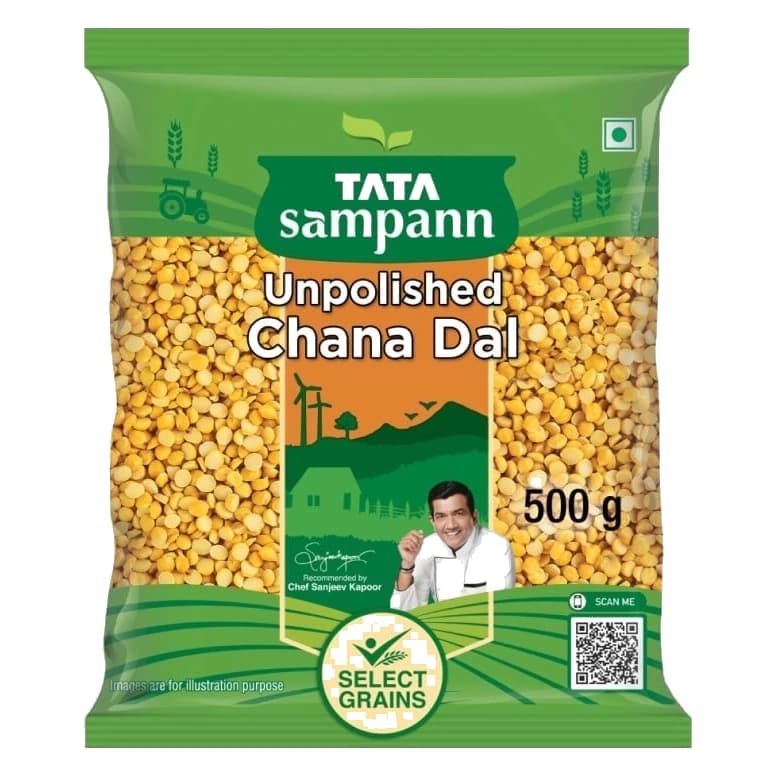
Tata Sampann Unpolished Chana Dal
Published
Tata Sampann Unpolished Chana Dal is split chickpea sold as a single-ingredient cooking staple. It scores AA2: high on nutrition for its protein, fibre and iron, clean on ingredients because nothing is added, and low on risk, held back only by the calories of a dry pulse. A sound everyday staple, best measured by the cup.
Ingredients, decoded
1 listed- Dal Chana
½ teaspoon of sugar in every 100 g · 3.3 g total sugar, 5 g a teaspoon
| Energy | 360 kcal |
|---|---|
| Protein | 22.9 g |
| Carbohydrates | 59.9 g |
| Total sugars | 3.3 g |
| Added sugars | 0 g |
| Dietary fibre | 14.5 g |
| Total fat | 1.1 g |
| Saturated fat | 0.2 g |
| Trans fat | 0 g |
| Cholesterol | 0 mg |
| Sodium | 10 mg |
| Iron | 7.6 mg |
| Calcium | 130 mg |
Think this score is wrong?
What to know about Tata Sampann Unpolished Chana Dal
Plain chana dal: 22.9 g protein, 14.5 g fibre
Tata Sampann Unpolished Chana Dal is a 500 g pack of split chickpeas, and the ingredient list is one word: Dal Chana, which is the whole product at 100%. It is bought as a pantry staple for dal, snacks, salads and soups by cooks who want the grain left unpolished.
Per 100 g of dry dal you get 360 kcal, 22.9 g protein, 14.5 g fibre and 59.9 g carbohydrate, of which 3.3 g is sugar that occurs naturally and 0 g is added. Fat is 1.1 g, saturated fat 0.2 g and sodium 10 mg. Iron is 7.6 mg and calcium 130 mg.
The name says unpolished, and with a single ingredient and nothing added there is nothing on the label to contradict it. The back-of-pack lines about nature's love are warm but carry no numbers. CleanPlate scores it AA2.
Why Tata Sampann Unpolished Chana Dal scores AA2
Nutrition is an A on 22.9 g protein, 14.5 g fibre and 7.6 mg iron per 100 g. Ingredients are an A with one ingredient, and risk is a 2, set only by 360 kcal per 100 g.
Exceptional nutrient density
- Protein
- 22.9 g
- Fibre
- 14.5 g
- Vitamins and minerals
- Iron, Calcium
- Energy
- 360 kcal
01 Nutrition density: why A
Protein is 22.9 g per 100 g and fibre is 14.5 g, both coming from the chickpea itself. Iron is 7.6 mg and calcium 130 mg per 100 g, which adds a micronutrient bonus on top of the protein and fibre.
Fat is low at 1.1 g and added sugar is 0 g, so nothing in the panel works against the grade.
Scored on protein, fibre and twelve vitamins and minerals, against the Codex and FSSAI "source" and "high" levels, per 100 g and per 100 kcal. Protein also has to supply at least 12.5% of the calories to count, and 25% for full credit.
Clean, minimally processed
- Base
- Dal Chana
- Sweeteners
- None added
- Additives
- 0
- Flagged
- None
02 Ingredient integrity: why A
The list is a single ingredient, Dal Chana, so there are no additives, no refined starches and no sweeteners. Nothing costs ingredient points.
No front-of-pack promise is hollow, so label integrity is clean and the grade is at the top.
Scored on how processed the ingredients are, which additives are used and why, and whether the label keeps its promises.
Low risk
- Added sugar
- 0 g
- Sodium
- 10 mg
- Saturated fat
- 0.2 g
- Trans fat
- 0 g
03 Load risk: why 2
Energy is what sets the risk number: 360 kcal per 100 g of dry dal. Sugar is 0 g, saturated fat 0.2 g and sodium 10 mg, so these add almost nothing.
Trans fat is 0 g and no hydrogenated fat is listed. The 2 is a floor for a dense, dry staple rather than a sign of anything added.
Scored on free sugar, sodium, saturated fat and trans fat, each weighed by how strong the evidence of harm is.
Red flags
No major red flags on the label.
Green flags
- +Green flag: High protein (22.9g per 100g)
- +Green flag: High fibre (14.5g)
- +Green flag: No added sugar
Does Tata Sampann Unpolished Chana Dal live up to its claims?
The unpolished claim fits a one-ingredient pack, and the protein and fibre claim holds at 22.9 g and 14.5 g per 100 g. The process lines cannot be checked from the label.
- Product nameHolds
“Unpolished chana dal”
The ingredient list is Dal Chana alone, with 14.5 g fibre per 100 g and nothing added.
- Retail listingHolds
“Provides protein and fibre”
22.9 g protein and 14.5 g fibre per 100 g, so about 11.5 g and 7.3 g in a 50 g dry serve.
- On the packBe careful
“No artificial polishing with water, oil or leather”
This is a process claim the label cannot test. The list shows chana dal and nothing else, with no oil or other ingredient added.
- On the packBe careful
“Outer layer keeps essential nutrients”
The panel shows 7.6 mg iron and 130 mg calcium per 100 g, but the pack does not say how much a polished dal would lose.
What's in Tata Sampann Unpolished Chana Dal?
Dal Chana is the only ingredient, at 100%. There is nothing to watch on the list, only the calories of a dry pulse.
The ingredient list, read for you
Dal Chana is the only ingredient, so the pack is split chickpea at 100% with no oil, salt, colour or preservative added. What you cook it with is up to you.
Ingredients to watch
- Energy of dry dalWorth watching
360 kcal per 100 g dry, about 180 kcal in a 50 g serve. It lowers per 100 g once cooked with water, so measure the dry weight.
- CarbohydrateWorth watching
59.9 g per 100 g, of which 3.3 g is natural sugar and 0 g is added. Fibre of 14.5 g comes with it.
- Protein and fibreFine
22.9 g protein and 14.5 g fibre per 100 g, about 11.5 g and 7.3 g in a 50 g serve.
- Sodium, fat and added sugarFine
Sodium is 10 mg, saturated fat 0.2 g and added sugar 0 g per 100 g, with no trans fat.
What it doesn’t have
- No serve size is printed, so per-serve figures here use a typical 50 g dry serve.
Who should eat Tata Sampann Unpolished Chana Dal?
Everyday for most adults and children. For diabetes or weight goals it also suits, with the dry portion measured because carbohydrate is 59.9 g per 100 g.
- Most adultsEveryday
22.9 g protein and 14.5 g fibre per 100 g, with 10 mg sodium.
- ChildrenEveryday
One ingredient, no added sugar and 0.2 g saturated fat per 100 g.
- Diabetes or prediabetesEveryday
No added sugar and 14.5 g fibre, but carbohydrate is 59.9 g per 100 g, so portion matters.
- Weight managementEveryday
Protein and fibre fill you up, but 360 kcal per 100 g dry means measuring the serve.
Recipes with Tata Sampann Unpolished Chana Dal
Chana dal suits tadka dal, salads, soups and snacks. Its 22.9 g protein and 14.5 g fibre per 100 g carry whatever dish it goes into.
Chana dal tadka
Cook the dal and finish with a light tadka, keeping oil modest, since the dal brings 22.9 g protein per 100 g dry and almost no fat of its own.
Chana dal salad
Toss cooked dal with chopped onion, tomato and lemon for a cold salad that keeps the 14.5 g fibre per 100 g dry.
Chana dal and vegetable soup
Simmer dal with vegetables for a thick soup, where the dal's 10 mg sodium per 100 g leaves you in charge of the salt.
Tata Sampann Unpolished Chana Dal: common questions
What is the CleanPlate score of Tata Sampann Unpolished Chana Dal?
Tata Sampann Unpolished Chana Dal is split chickpea sold as a single-ingredient cooking staple. It scores AA2: high on nutrition for its protein, fibre and iron, clean on ingredients because nothing is added, and low on risk, held back only by the calories of a dry pulse. A sound everyday staple, best measured by the cup. Nutrition A, ingredients A, load risk 2; nutrition and ingredients run A to E, risk runs 1 to 5, and A and 1 are best.
How many calories and how much protein are in Tata Sampann Unpolished Chana Dal?
Per 100 g, Tata Sampann Unpolished Chana Dal has 360 kcal, 22.9 g protein, 59.9 g carbohydrate, 1.1 g fat and 0.2 g saturated fat. One serve (50 g dry dal, typical serve) has 180 kcal and 11.4 g protein.
What are the ingredients in Tata Sampann Unpolished Chana Dal?
1 ingredient, in label order: Dal Chana.
Does Tata Sampann Unpolished Chana Dal live up to its claims?
4 claims checked: 2 hold, 2 need care. "No artificial polishing with water, oil or leather" needs care: This is a process claim the label cannot test. The list shows chana dal and nothing else, with no oil or other ingredient added. "Outer layer keeps essential nutrients" needs care: The panel shows 7.6 mg iron and 130 mg calcium per 100 g, but the pack does not say how much a polished dal would lose.
Who should limit Tata Sampann Unpolished Chana Dal?
Most adults: everyday. 22.9 g protein and 14.5 g fibre per 100 g, with 10 mg sodium. Children: everyday. One ingredient, no added sugar and 0.2 g saturated fat per 100 g. Diabetes or prediabetes: everyday. No added sugar and 14.5 g fibre, but carbohydrate is 59.9 g per 100 g, so portion matters.
How much sugar, salt and saturated fat does Tata Sampann Unpolished Chana Dal have?
Per 100 g, Tata Sampann Unpolished Chana Dal has 0 g added sugar, 10 mg sodium (about 0 g salt) and 0.2 g saturated fat. The FSSAI and UK FSA "high" lines are 10 g added sugar, 600 mg sodium and 5 g saturated fat per 100 g. It is under all three lines.
Last reviewed October 27, 2026. Scored with the CleanPlate method from the published label. Spotted a mistake? .
More Pulses & Legumes
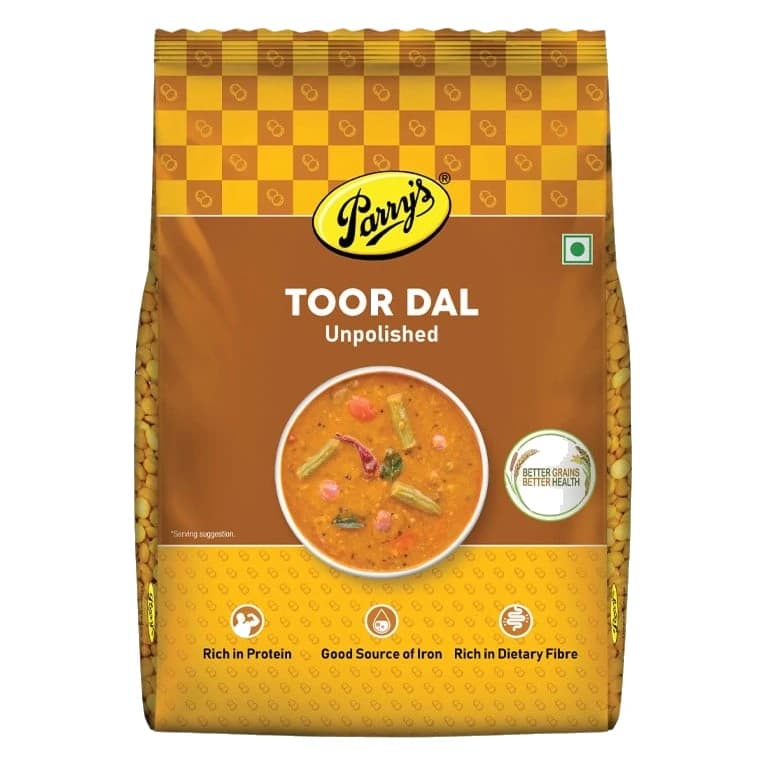
All Pulses & Legumes →- Parry's Toor Dal Unpolished
- +Green flag: High protein (21.7g per 100g)
- +Green flag: High fibre (9.1g)
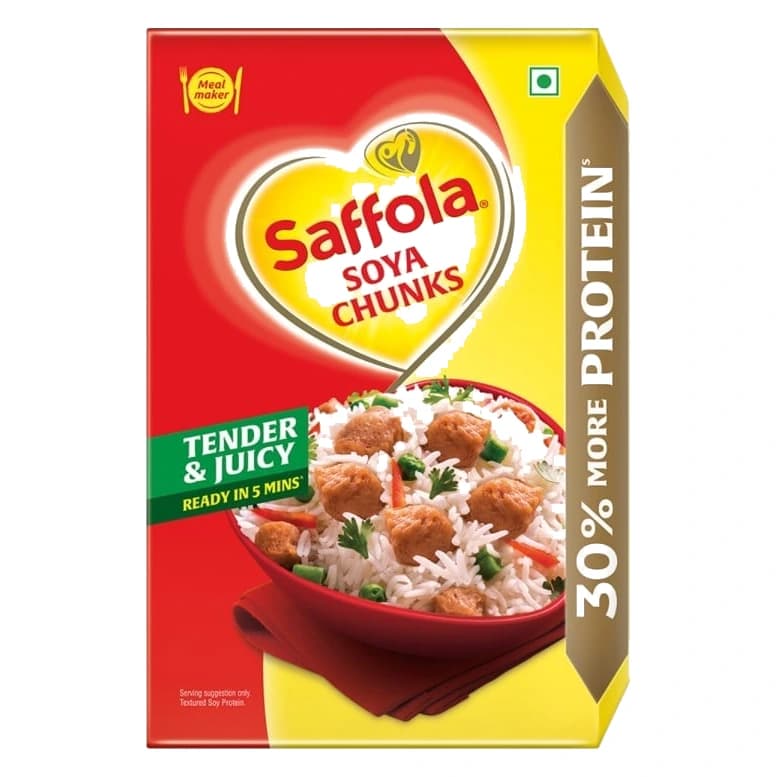
- Saffola Mealmaker Soya Chunks
- +Green flag: High protein (53g per 100g)
- +Green flag: High fibre (15.5g)
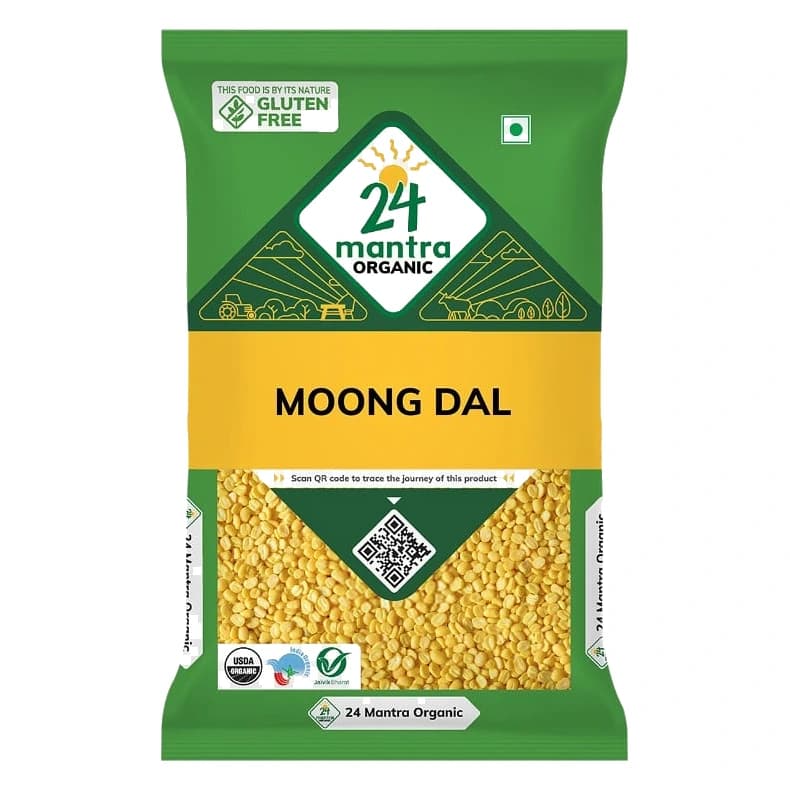
- 24 Mantra Organic Moong Dal (Dhuli)
- +Green flag: High protein (24g per 100g)
- +Green flag: High fibre (9g)
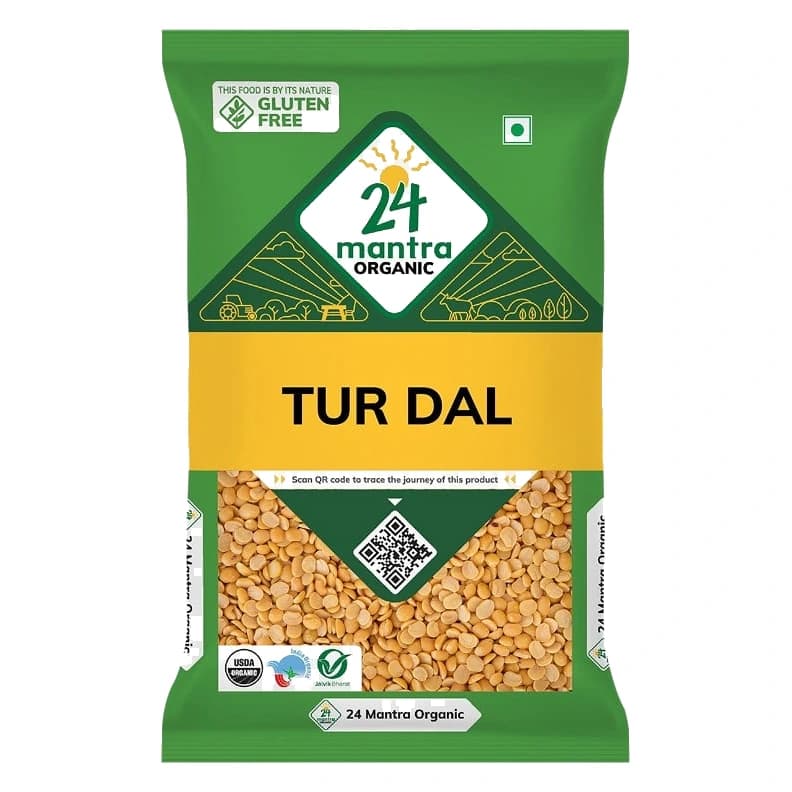
- 24 Mantra Organic Tur / Arhar Dal
- +Green flag: High protein (22g per 100g)
- +Green flag: High fibre (9g)