Veerabhadra Roasted Bhuna Chana
Published · Updated
Veerabhadra Roasted Bhuna Chana is a roasted chickpea snack with a single ingredient on the list, sold as a tea-time munch. It scores BA3: strong on nutrition thanks to protein and fibre, top marks for a one-item ingredient list, and a middling risk grade because the sodium is high for a plain legume. Best as a small handful a few times a week.
Ingredients, decoded
1 listed- Roasted Chickpeas

2 teaspoons of sugar in every 100 g · 10 g total sugar, 5 g a teaspoon
| Energy | 360 kcal |
|---|---|
| Protein | 20 g |
| Carbohydrates | 58 g |
| Total sugars | 10 g |
| Dietary fibre | 17 g |
| Total fat | 6 g |
| Saturated fat | 0.8 g |
| Sodium | 850 mg |
Think this score is wrong?
What to know about Veerabhadra Roasted Bhuna Chana
A one-ingredient chickpea snack with a salty edge
Veerabhadra Roasted Bhuna Chana is a 200 g pack of roasted chickpeas, and nothing else is on the ingredient list. No percentage is declared, because there is only one item. It is bought as a dry snack for tea-time or parties, and the pack prints a 30 g serve.
Per 100 g you get 360 kcal, 20 g protein, 17 g fibre, 58 g carbohydrate and 6 g fat, of which saturated fat is 0.8 g. A 30 g serve works out to 108 kcal, 6 g protein and 5.1 g fibre. Total sugar is 10 g per 100 g, or 3 g a serve, and it comes from the chickpeas themselves: no sugar ingredient is listed. The cost is sodium, at 850 mg per 100 g and 255 mg a serve.
The name, Chana Roasted, matches the list: roasted chickpeas and nothing added. What the list does not explain is the sodium, since no salt is named, and the panel is marked as approximate values. CleanPlate scores it BA3.
Why Veerabhadra Roasted Bhuna Chana scores BA3
Nutrition is a B on 20 g protein and 17 g fibre per 100 g. Ingredients are an A with one item listed, and risk is a 3 because sodium is 850 mg per 100 g.
Good nutrient density
- Protein
- 20 g
- Fibre
- 17 g
- Vitamins and minerals
- None declared
- Energy
- 360 kcal
01 Nutrition density: why B
Protein is 20 g per 100 g and fibre is 17 g, both from the chickpeas. In a 30 g serve that is 6 g protein and 5.1 g fibre. Fat is 6 g per 100 g and saturated fat only 0.8 g.
No vitamins or minerals are declared, so the grade rests on protein and fibre. Energy is 360 kcal per 100 g, or 108 kcal a serve.
Scored on protein, fibre and twelve vitamins and minerals, against the Codex and FSSAI "source" and "high" levels, per 100 g and per 100 kcal. Protein also has to supply at least 12.5% of the calories to count, and 25% for full credit.
Clean, minimally processed
- Base
- Roasted Chickpeas
- Sweeteners
- None added
- Additives
- 0
- Flagged
- None
02 Ingredient integrity: why A
The list is a single item, roasted chickpeas. There is no additive, no hydrogenated fat, no flavouring and no sweetener, so nothing costs ingredient points.
No percentage is declared, but with one ingredient there is nothing hidden. No front-of-pack promise is hollow, so label integrity holds.
Scored on how processed the ingredients are, which additives are used and why, and whether the label keeps its promises.
Moderate risk
- Total sugar
- 10 g
- Sodium
- 850 mg
- Saturated fat
- 0.8 g
03 Load risk: why 3
Sodium drives the risk number: 850 mg per 100 g, or 255 mg a serve. That is nearly all of the load, and it lands the product on a 3.
Energy adds a little at 360 kcal per 100 g. Saturated fat is low at 0.8 g, and free sugar is 0 g, since the 10 g of sugar is natural to the chickpeas.
Scored on free sugar, sodium, saturated fat and trans fat, each weighed by how strong the evidence of harm is.
Red flags
- −Red flag: High sodium (850mg per 100g)
Green flags
- +Green flag: Source of protein (20g)
- +Green flag: High fibre (17g)
- +Green flag: No additives
Does Veerabhadra Roasted Bhuna Chana live up to its claims?
The name holds: roasted chickpeas are the only ingredient. Two numbers need care: the per-serve calories print as 180 kcal for 30 g, and 850 mg sodium appears with no salt listed.
- Product nameHolds
“CHANA ROASTED”
Roasted chickpeas are the only ingredient on the list.
- On the packBe careful
“Ingredients: Roasted Chickpeas”
No salt is listed, yet the panel declares 850 mg sodium per 100 g, marked as approximate values. The source of the sodium is not explained.
- On the packBe careful
“180 kcal per 30 g serve”
The pack's per-serve column shows 180 kcal, but 360 kcal per 100 g gives 108 kcal for 30 g. The protein, fibre and sodium per serve do match the per-100 g figures.
What's in Veerabhadra Roasted Bhuna Chana?
Roasted chickpeas are the only ingredient, with no oil, spice or additive listed. The one thing to watch is sodium, at 850 mg per 100 g.
The ingredient list, read for you
Roasted chickpeas are the only item on the list. No oil, salt, spice, sugar or additive is named, so the list is as short as a packaged snack can be. No percentage is given, because there is nothing else to share the pack with.
Ingredients to watch
- SodiumConcern
850 mg per 100 g and 255 mg in a 30 g serve, with no salt named on the ingredient list. This is what holds the risk grade at 3.
- Allergen noteWorth watching
Made in a facility that processes nuts, milk, soy and wheat, which matters for anyone with those allergies.
- Protein and fibreFine
20 g protein and 17 g fibre per 100 g, so 6 g and 5.1 g in a serve.
- One ingredientFine
Roasted chickpeas only, with no additive, added sugar or hydrogenated fat. Saturated fat is 0.8 g per 100 g.
What it doesn’t have
- No vitamins or minerals are declared on the panel.
- The list does not say where the sodium comes from.
Who should eat Veerabhadra Roasted Bhuna Chana?
A few times a week for most adults in a 30 g handful, and less often for anyone watching blood pressure, since one serve has 255 mg sodium.
- Most adultsA few times a week
A 30 g serve gives 6 g protein and 5.1 g fibre, with 255 mg sodium.
- ChildrenA few times a week
No dye, sweetener or hydrogenated fat, but 255 mg sodium in a small serve.
- High blood pressureOccasionally
850 mg sodium per 100 g adds up fast beyond one handful.
- Weight managementA few times a week
108 kcal per 30 g serve, with 5.1 g fibre to keep it filling.
Veerabhadra Roasted Bhuna Chana: common questions
What is the CleanPlate score of Veerabhadra Roasted Bhuna Chana?
Veerabhadra Roasted Bhuna Chana is a roasted chickpea snack with a single ingredient on the list, sold as a tea-time munch. It scores BA3: strong on nutrition thanks to protein and fibre, top marks for a one-item ingredient list, and a middling risk grade because the sodium is high for a plain legume. Best as a small handful a few times a week. Nutrition B, ingredients A, load risk 3; nutrition and ingredients run A to E, risk runs 1 to 5, and A and 1 are best.
How many calories and how much protein are in Veerabhadra Roasted Bhuna Chana?
Per 100 g, Veerabhadra Roasted Bhuna Chana has 360 kcal, 20 g protein, 58 g carbohydrate, 6 g fat and 0.8 g saturated fat. One serve (30 g, one serve) has 108 kcal and 6 g protein.
What are the ingredients in Veerabhadra Roasted Bhuna Chana?
1 ingredient, in label order: Roasted Chickpeas.
Does Veerabhadra Roasted Bhuna Chana live up to its claims?
3 claims checked: 1 holds, 2 need care. "Ingredients: Roasted Chickpeas" needs care: No salt is listed, yet the panel declares 850 mg sodium per 100 g, marked as approximate values. The source of the sodium is not explained. "180 kcal per 30 g serve" needs care: The pack's per-serve column shows 180 kcal, but 360 kcal per 100 g gives 108 kcal for 30 g. The protein, fibre and sodium per serve do match the per-100 g figures.
Who should limit Veerabhadra Roasted Bhuna Chana?
Most adults: a few times a week. A 30 g serve gives 6 g protein and 5.1 g fibre, with 255 mg sodium. Children: a few times a week. No dye, sweetener or hydrogenated fat, but 255 mg sodium in a small serve. High blood pressure: occasionally. 850 mg sodium per 100 g adds up fast beyond one handful.
How much sugar, salt and saturated fat does Veerabhadra Roasted Bhuna Chana have?
Per 100 g, Veerabhadra Roasted Bhuna Chana has 10 g sugar, 850 mg sodium (about 2.1 g salt) and 0.8 g saturated fat. The FSSAI and UK FSA "high" lines are 10 g added sugar, 600 mg sodium and 5 g saturated fat per 100 g. It is high in salt.
Last reviewed October 29, 2026. Scored with the CleanPlate method from the published label. Spotted a mistake? .
More Namkeen
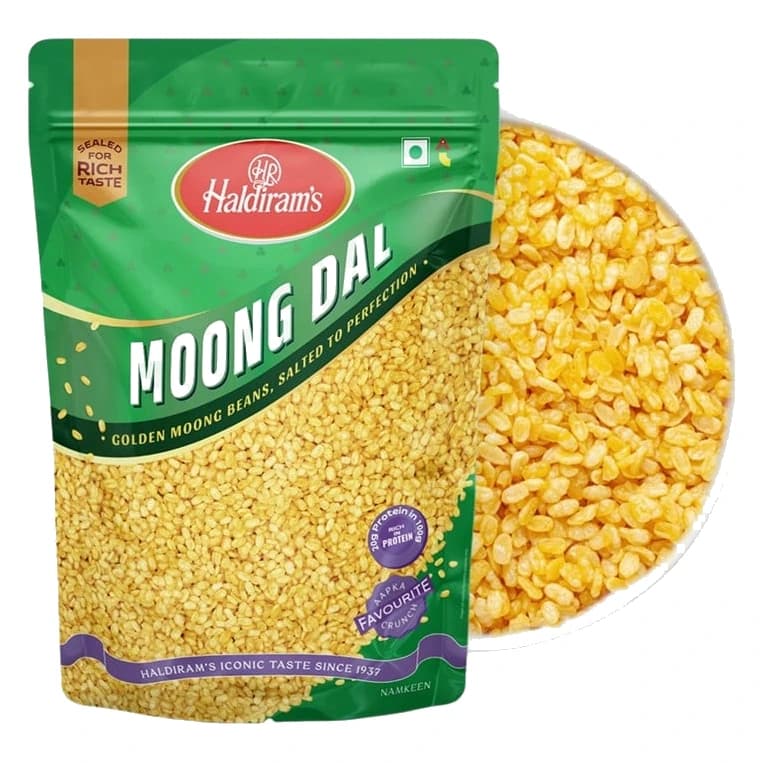
All Namkeen →- Haldiram's Nagpur Moong Dal Namkeen
- −Red flag: High saturated fat (8.5g)
- −Red flag: Palm oil listed
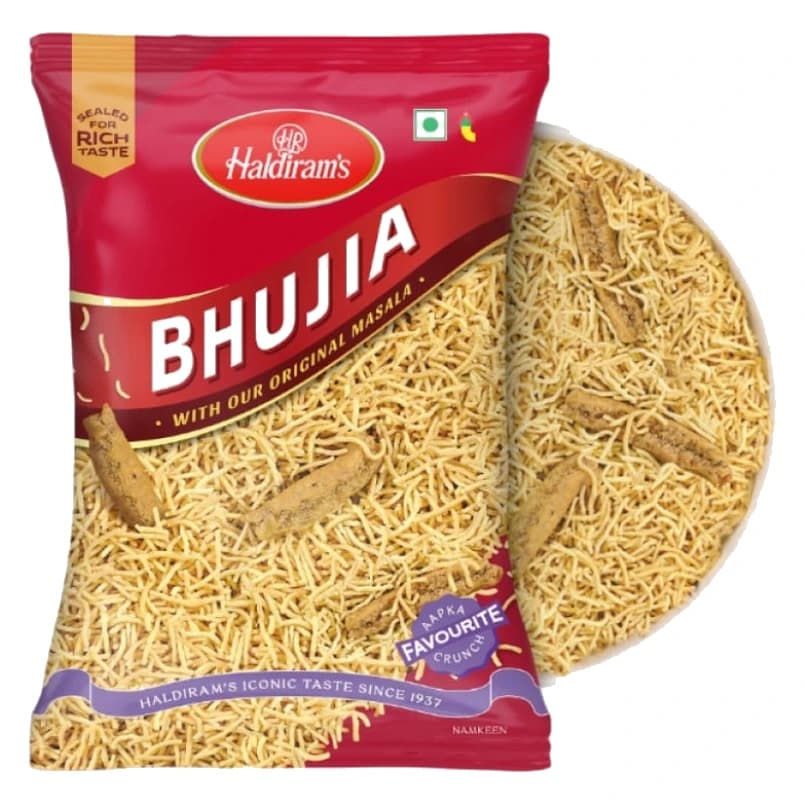
- Haldiram's Bhujia
- −Red flag: High sodium (754mg per 100g)
- −Red flag: High saturated fat (6.7g)
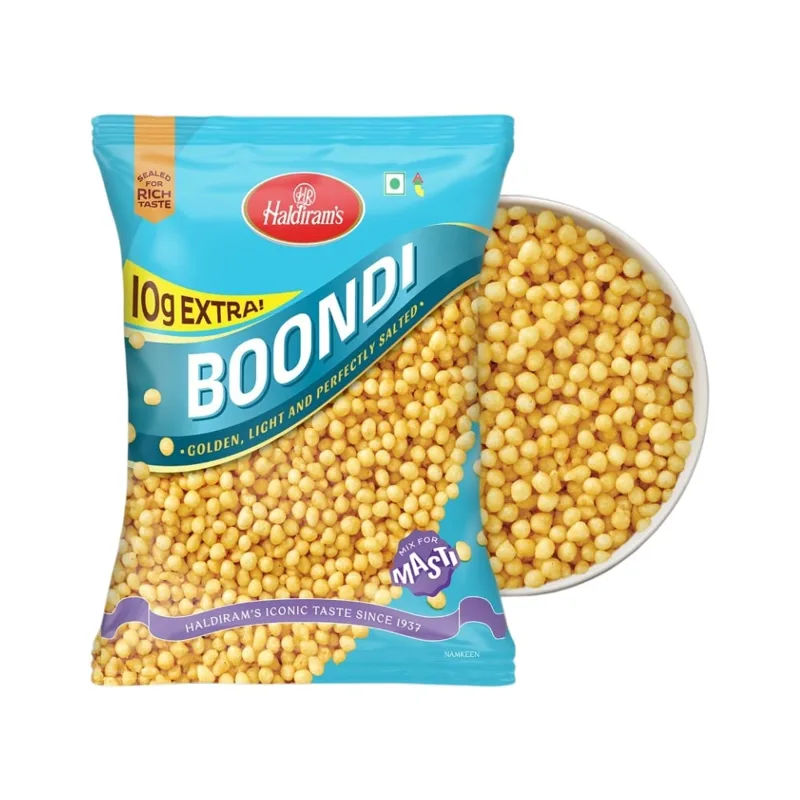
- Haldiram's Boondi (210 g)
- −Red flag: High sodium (641.4mg per 100g)
- −Red flag: High saturated fat (13.7g)
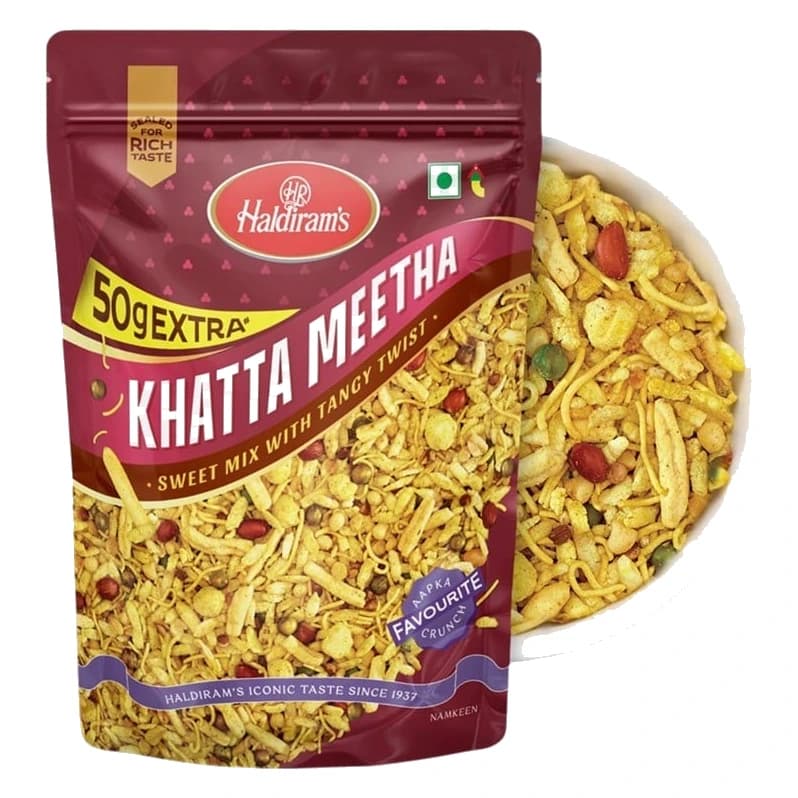
- Haldiram's Nagpur Khatta Meetha Mixture Namkeen
- −Red flag: High added sugar (12.3g per 100g)
- −Red flag: High saturated fat (12.5g)