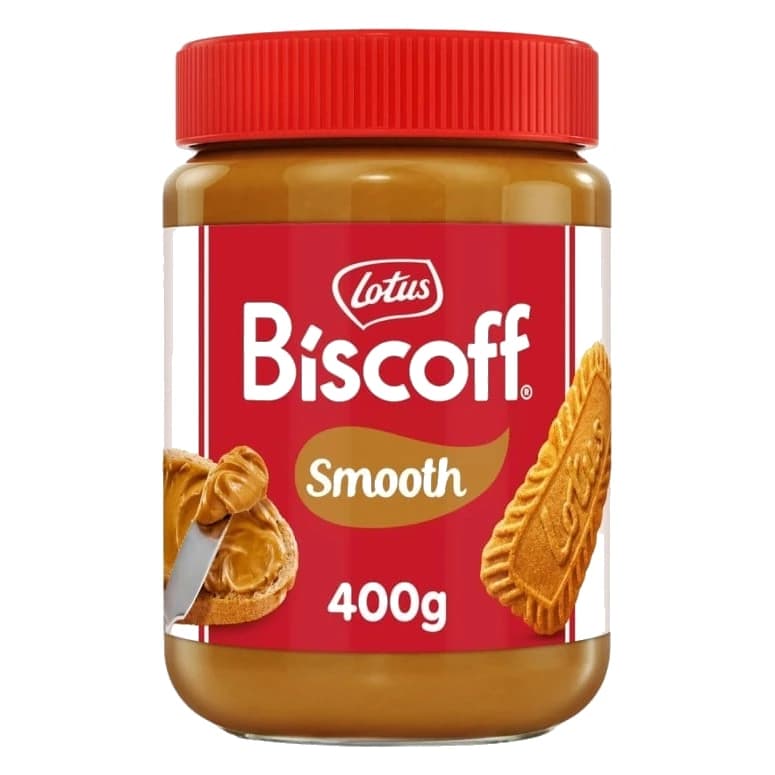
Lotus Biscoff Smooth Spread
Published · Updated
Lotus Biscoff Smooth Spread is a sweet spread made mainly from caramelised biscuits with rapeseed oil and sugar. It scores EB4: nutrition is low because there is almost no protein or fibre, ingredients are decent with no hydrogenated fat or dye, and risk is high because of the sugar and calories. Best as a thin scrape now and then, not daily.
Ingredients, decoded
5 listed- Caramelised biscuits 58%
- wheat flour
- sugar
- vegetable oils (palm*, rapeseed)
- candy sugar syrup
- raising agent (sodium hydrogen carbonate)
- soya flour
- salt
- cinnamon
- rapeseed oil
- sugar
- emulsifier (lecithins (soya))
- acid (citric acid)
7½ teaspoons of sugar in every 100 g · 36.8 g total sugar, 5 g a teaspoon
| Energy | 584 kcal |
|---|---|
| Protein | 2.9 g |
| Carbohydrates | 57 g |
| Total sugars | 36.8 g |
| Dietary fibre | 0.8 g |
| Total fat | 38.1 g |
| Saturated fat | 7.6 g |
Think this score is wrong?
What to know about Lotus Biscoff Smooth Spread
Mostly biscuit and sugar, with 36.8 g sugar per 100 g
Lotus Biscoff Smooth Spread is a 400 g jar of biscuit spread. Caramelised biscuits make up 58% (wheat flour, sugar, vegetable oils, candy sugar syrup, a raising agent, soya flour, salt and cinnamon), and the rest is rapeseed oil, more sugar, soya lecithin as an emulsifier and citric acid. People buy it for the Biscoff cookie taste on toast, in desserts or straight from the spoon.
Per 100 g it has 584 kcal, 38.1 g fat, 7.6 g saturated fat, 57 g carbohydrate and 36.8 g sugar, with 2.9 g protein and 0.8 g fibre. The pack prints a 15 g serve, which gives about 88 kcal, 5.5 g sugar and 1.1 g saturated fat. Salt is 0.54 g per 100 g.
The name and the front are plain: it is smooth, and it is made from Biscoff biscuit. The list has no hydrogenated fat, no colour and no added flavour. What it does not offer is protein, fibre or any vitamin. CleanPlate scores it EB4.
Why Lotus Biscoff Smooth Spread scores EB4
Nutrition is an E because protein is 2.9 g and fibre 0.8 g per 100 g. Ingredients are a B with no hydrogenated fat or dye, and risk is a 4 on 36.8 g sugar per 100 g.
Very low nutrient density
- Protein
- 2.9 g
- Fibre
- 0.8 g
- Vitamins and minerals
- None declared
- Energy
- 584 kcal
01 Nutrition density: why E
Protein is 2.9 g per 100 g and fibre is 0.8 g, so neither earns credit. The largest protein source is wheat flour in the biscuit, which is a refined base.
No vitamins or minerals are declared, so nothing else lifts the grade.
Scored on protein, fibre and twelve vitamins and minerals, against the Codex and FSSAI "source" and "high" levels, per 100 g and per 100 kcal. Protein also has to supply at least 12.5% of the calories to count, and 25% for full credit.
Good, few concerning additives
- Base
- Caramelised biscuits 58%, can...
- Main fat
- Caramelised biscuits 58...
- Sweeteners
- Caramelised biscu..., sugar
- Additives
- 2
- Flagged
- None
02 Ingredient integrity: why B
The list is short and the biscuit share is declared at 58%. There is no hydrogenated fat, no dye and no added flavour, and no hollow label promise, so the grade holds up well.
Palm oil sits inside the biscuit along with rapeseed oil, and sugar appears twice. Plain caramel, lecithin and citric acid cost little or no ingredient points.
Scored on how processed the ingredients are, which additives are used and why, and whether the label keeps its promises.
High risk
- Total sugar
- 36.8 g
- Saturated fat
- 7.6 g
03 Load risk: why 4
Sugar is the biggest driver: 36.8 g per 100 g, all counted as free sugar since the list has sugar and syrup and no fruit or milk. One 15 g serve has about 5.5 g.
Energy at 584 kcal and saturated fat at 7.6 g, above the 5 g high line, add to it. Salt is low at 0.54 g per 100 g, which counts as about 216 mg of sodium.
Scored on free sugar, sodium, saturated fat and trans fat, each weighed by how strong the evidence of harm is.
Red flags
- −Red flag: High sugar (36.8g per 100g)
- −Red flag: High saturated fat (7.6g)
Green flags
Nothing stands out in its favour.
Does Lotus Biscoff Smooth Spread live up to its claims?
The biscuit base, the smooth texture and the no-colours claim hold. The natural-origins and palm oil lines need care, and the retailer page conflicts with the pack on saturated fat.
- Retail listingHolds
“Made from our iconic Biscoff cookie”
Caramelised biscuits are the first ingredient at 58%.
- On the packHolds
“Smooth”
The name describes the texture, and the list has no nuts or pieces.
- Retail listingHolds
“No colours or added flavours”
No colour or flavouring is listed. The additives are soya lecithin, citric acid and a raising agent in the biscuit.
- Retail listingBe careful
“Ingredients from natural origins”
The list is short and recognisable, but it still includes refined flour, sugar syrup, an emulsifier and an acid. Natural origin says nothing about the sugar or calories.
- On the packBe careful
“Palm oil from sustainable and certified plantations”
The pack states it as a footnote to palm oil in the biscuit. It speaks to sourcing, not to the 7.6 g saturated fat per 100 g. The retailer page shows 5.7 g saturated fat, the pack shows 7.6 g.
What's in Lotus Biscoff Smooth Spread?
Caramelised biscuit at 58% leads, then rapeseed oil and more sugar. Sugar and saturated fat are what to watch.
The ingredient list, read for you
Caramelised biscuits lead at 58%, so the spread is mostly wheat flour, sugar, vegetable oil and candy sugar syrup in biscuit form, with a raising agent, soya flour, salt and cinnamon. Rapeseed oil makes it spreadable, and extra sugar sweetens it. Soya lecithin keeps the oil blended and citric acid adjusts acidity.
Ingredients to watch
- SugarConcern
36.8 g per 100 g, about 5.5 g in a 15 g serve. It is the largest part of the risk grade.
- Saturated fatWorth watching
7.6 g per 100 g, above the 5 g high line, from the palm and rapeseed oils. A 15 g serve has about 1.1 g.
- Refined baseWorth watching
Wheat flour and sugar lead, with 2.9 g protein and 0.8 g fibre per 100 g, so the spread adds energy and little else.
- Additives and fatsFine
No hydrogenated fat, no dye and no added flavour. Lecithin and citric acid are minor.
What it doesn’t have
- No vitamins or minerals are declared on the panel.
- The pack prints salt but no sodium line.
Who should eat Lotus Biscoff Smooth Spread?
An occasional treat for most adults and children, and rarely for anyone managing blood sugar or weight, at 5.5 g sugar per 15 g serve.
- Most adultsOccasionally
36.8 g sugar per 100 g, about 5.5 g in a 15 g serve.
- ChildrenOccasionally
A sweet, calorie-dense spread with no protein or fibre to speak of.
- Diabetes or prediabetesRarely
Sugar and refined flour dominate, with 0.8 g fibre per 100 g.
- Weight managementRarely
584 kcal per 100 g, about 88 kcal in a thin 15 g serve.
Recipes with Lotus Biscoff Smooth Spread
Use it in small amounts: a thin layer on toast, a swirl in plain yoghurt, or a spoonful in a dessert, keeping to about the 15 g serve.
Thin Biscoff toast
Spread a 15 g serve on a slice of toast for about 88 kcal and 5.5 g sugar.
Yoghurt swirl
Stir a teaspoon into plain yoghurt so the yoghurt adds protein the spread lacks at 2.9 g per 100 g.
Apple slices with a dip
Dip apple slices in a small spoonful, so the fruit adds fibre to a spread with 0.8 g per 100 g.
Lotus Biscoff Smooth Spread: common questions
What is the CleanPlate score of Lotus Biscoff Smooth Spread?
Lotus Biscoff Smooth Spread is a sweet spread made mainly from caramelised biscuits with rapeseed oil and sugar. It scores EB4: nutrition is low because there is almost no protein or fibre, ingredients are decent with no hydrogenated fat or dye, and risk is high because of the sugar and calories. Best as a thin scrape now and then, not daily. Nutrition E, ingredients B, load risk 4; nutrition and ingredients run A to E, risk runs 1 to 5, and A and 1 are best.
How many calories and how much protein are in Lotus Biscoff Smooth Spread?
Per 100 g, Lotus Biscoff Smooth Spread has 584 kcal, 2.9 g protein, 57 g carbohydrate, 38.1 g fat and 7.6 g saturated fat. One serve (15 g, one serve) has 88 kcal and 0.4 g protein.
What are the ingredients in Lotus Biscoff Smooth Spread?
5 ingredients, in label order: Caramelised biscuits 58% (wheat flour, sugar, vegetable oils (palm*, rapeseed), candy sugar syrup, raising agent (sodium hydrogen carbonate), soya flour, salt, cinnamon), rapeseed oil, sugar, emulsifier (lecithins (soya)), acid (citric acid).
Does Lotus Biscoff Smooth Spread live up to its claims?
5 claims checked: 3 hold, 2 need care. "Ingredients from natural origins" needs care: The list is short and recognisable, but it still includes refined flour, sugar syrup, an emulsifier and an acid. Natural origin says nothing about the sugar or calories. "Palm oil from sustainable and certified plantations" needs care: The pack states it as a footnote to palm oil in the biscuit. It speaks to sourcing, not to the 7.6 g saturated fat per 100 g. The retailer page shows 5.7 g saturated fat, the pack shows 7.6 g.
Who should limit Lotus Biscoff Smooth Spread?
Most adults: occasionally. 36.8 g sugar per 100 g, about 5.5 g in a 15 g serve. Children: occasionally. A sweet, calorie-dense spread with no protein or fibre to speak of. Diabetes or prediabetes: rarely. Sugar and refined flour dominate, with 0.8 g fibre per 100 g.
How much sugar, salt and saturated fat does Lotus Biscoff Smooth Spread have?
Per 100 g, Lotus Biscoff Smooth Spread has 36.8 g sugar and 7.6 g saturated fat. The FSSAI and UK FSA "high" lines are 10 g added sugar, 600 mg sodium and 5 g saturated fat per 100 g. It is high in sugar and saturated fat.
Last reviewed October 24, 2026. Scored with the CleanPlate method from the published label. Spotted a mistake? .
More Chocolate Spreads & Syrups
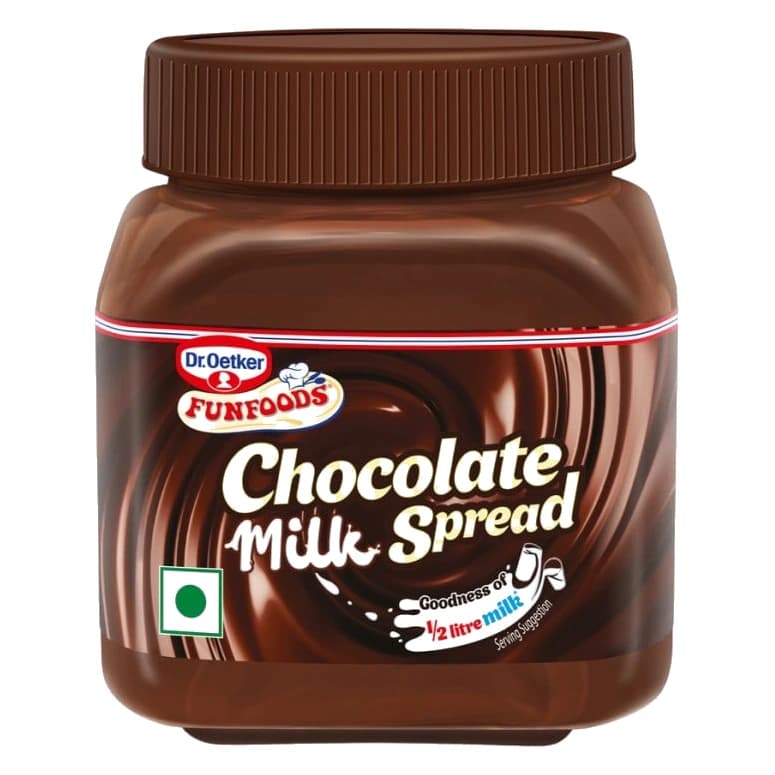
All Chocolate Spreads & Syrups →- Dr. Oetker FunFoods Chocolate Milk Spread
- −Red flag: High added sugar (41.5g per 100g)
- −Red flag: High saturated fat (12.3g)
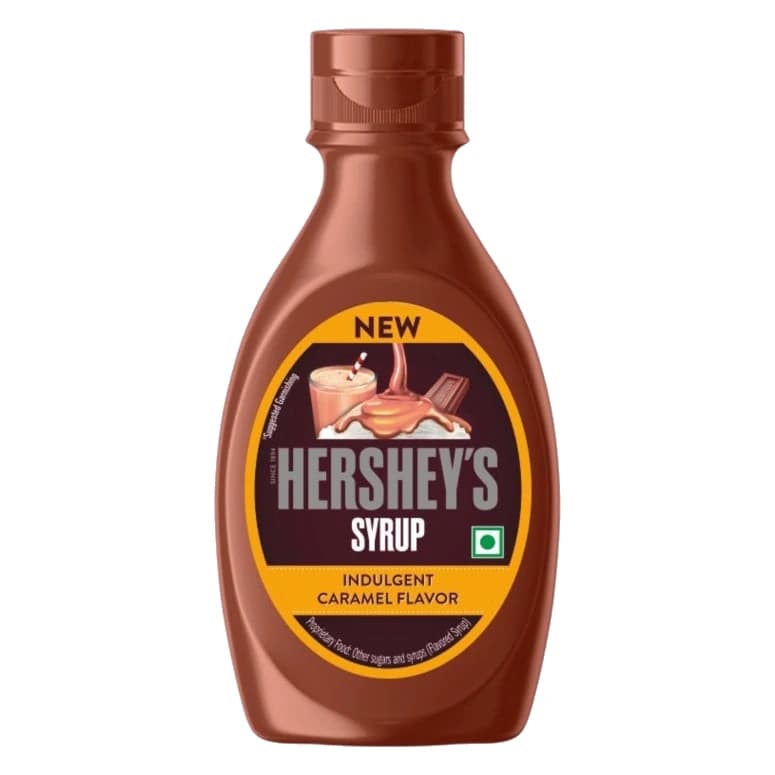
- Hershey's Caramel Syrup
- −Red flag: High added sugar (63g per 100g)
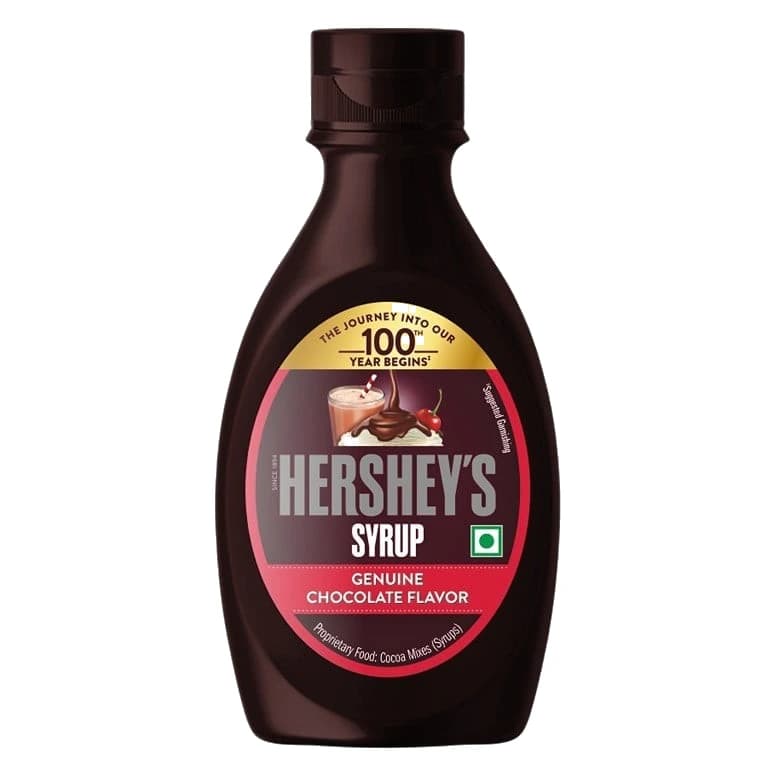
- Hershey's Chocolate Syrup
- −Red flag: High added sugar (64g per 100g)
- +Green flag: Low sodium
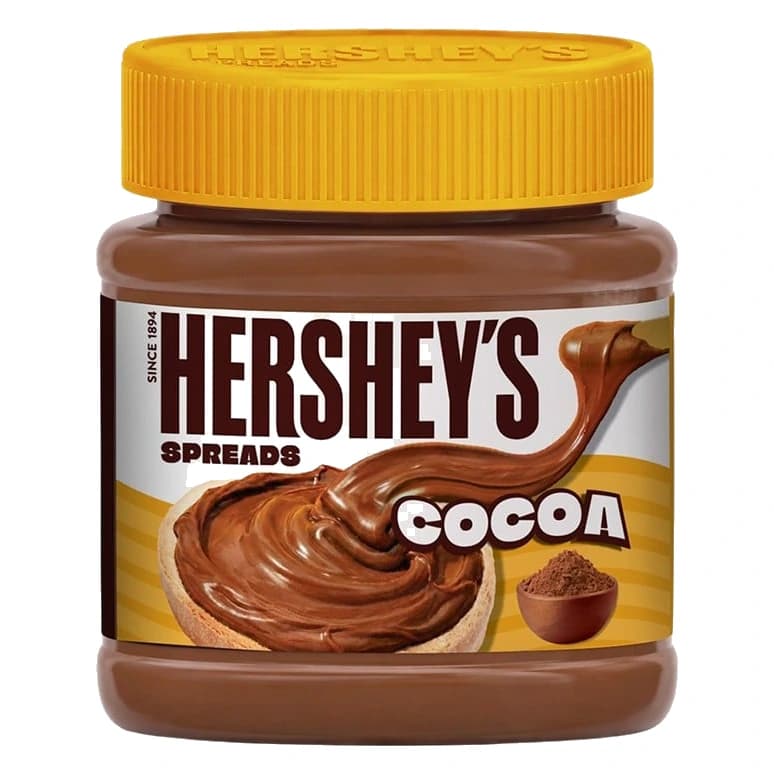
- Hershey's Cocoa Chocolate Spread
- −Red flag: High added sugar (55g per 100g)
- −Red flag: High saturated fat (11g)