Parle Premium Real Elaichi Rusk
Published · Updated
Parle Premium Real Elaichi Rusk is a wheat rusk made to be dunked in tea, flavoured with a trace of cardamom. It scores EB4: nutrition is low because the base is refined flour and sugar, ingredients hold up better with no hydrogenated fat or dye, and risk is fairly high because of the sugar. Fine with chai now and then, not an everyday snack.
Ingredients, decoded
12 listed- Refined Wheat Flour (Maida)
- Sugar
- Refined Palm Oil
- Semolina (Suji)
- Yeast
- Iodised Salt
- Wheat Gluten
- Emulsifiers of vegetable origin [(322, 481(i), 472e, 471)]
- Wheat Fibre
- Spices (Cardamom Seeds (0.08%))
- Antioxidant [300]
- Flour Treatment Agent [1100(i)]

5 teaspoons of sugar in every 100 g · 25.6 g total sugar, 5 g a teaspoon
| Energy | 434 kcal |
|---|---|
| Protein | 7.6 g |
| Carbohydrates | 80.4 g |
| Total sugars | 25.6 g |
| Added sugars | 25.1 g |
| Total fat | 9.1 g |
| Saturated fat | 4.2 g |
| Trans fat | 0 g |
| Cholesterol | 0 mg |
| Sodium | 321 mg |
Think this score is wrong?
What to know about Parle Premium Real Elaichi Rusk
A tea-time rusk that is two-thirds refined flour
Parle Premium Real Elaichi Rusk is a crisp wheat rusk sold as a tea-time snack, in a 1 kg multipack of five individual packs. It is built from refined wheat flour (maida, 68%), sugar, refined palm oil and semolina, with yeast, salt, wheat gluten, emulsifiers and a little cardamom. Families buy it to dunk in chai.
Per 100 g it has 434 kcal, 7.6 g protein, 25.1 g added sugar, 4.2 g saturated fat and 321 mg sodium. The pack prints an 18.2 g serve, which works out to about 79 kcal, 1.4 g protein, 4.6 g added sugar and 58 mg sodium.
The front says Real Elaichi, but cardamom seeds are 0.08% of the list, and the back adds that the flavour comes from artificial flavouring substances for cardamom. No hydrogenated fat is listed and trans fat is 0 g. CleanPlate scores it EB4.
Why Parle Premium Real Elaichi Rusk scores EB4
Nutrition is an E because refined flour and sugar leave almost no protein or other credit. Ingredients are a B with no hydrogenated fat or dye, and risk is a 4, driven mainly by 25.1 g added sugar per 100 g.
Very low nutrient density
- Protein
- 7.6 g
- Fibre
- Not declared
- Vitamins and minerals
- None declared
- Energy
- 434 kcal
01 Nutrition density: why E
Protein is 7.6 g per 100 g, and the largest share comes from refined wheat flour. With no vitamins or minerals declared and no isolated fibre credited, the nutrition grade earns nothing beyond the base.
The energy is 434 kcal per 100 g, with carbohydrate making up most of it: 80.4 g, of which 25.1 g is added sugar.
Scored on protein, fibre and twelve vitamins and minerals, against the Codex and FSSAI "source" and "high" levels, per 100 g and per 100 kcal. Protein also has to supply at least 12.5% of the calories to count, and 25% for full credit.
Good, few concerning additives
- Base
- Refined Wheat Flour
- Main fat
- Refined Palm Oil
- Sweeteners
- Sugar
- Additives
- 6
- Flagged
- Maida, Palm oil
02 Ingredient integrity: why B
The list is short and has no hydrogenated fat, dye or sweetener. Refined wheat flour, sugar and palm oil lead, and only the flour has its share declared (68%), with cardamom at 0.08%.
The emulsifiers lecithin (322), sodium stearoyl lactylate (481), DATEM (472e) and mono- and diglycerides (471) each cost ingredient points, as does the enzyme amylase (1100). Ascorbic acid (300) costs none.
Scored on how processed the ingredients are, which additives are used and why, and whether the label keeps its promises.
High risk
- Added sugar
- 25.1 g
- Sodium
- 321 mg
- Saturated fat
- 4.2 g
- Trans fat
- 0 g
03 Load risk: why 4
Sugar is the biggest part of the risk number: 25.1 g of added sugar per 100 g, or about 4.6 g in one 18.2 g serve.
Energy (434 kcal), saturated fat (4.2 g) and sodium (321 mg) per 100 g add to it. Trans fat is 0 g, so it plays no part.
Scored on free sugar, sodium, saturated fat and trans fat, each weighed by how strong the evidence of harm is.
Red flags
- −Red flag: High added sugar (25.1g per 100g)
- −Red flag: Refined flour (maida) base
- −Red flag: Palm oil listed
Green flags
Nothing stands out in its favour.
Does Parle Premium Real Elaichi Rusk live up to its claims?
Real Elaichi is only partly true: cardamom seeds are 0.08% of the list, and the flavour is topped up with artificial flavouring substances. The listing's hunger-pangs line needs care.
- Partly true
“Real Elaichi”
Cardamom seeds are real but make up 0.08% of the rusk. The back also says it contains added flavour from artificial flavouring substances for cardamom.
- Retail listingBe careful
“Perfect to satisfy light hunger pangs”
One 18.2 g serve is about 79 kcal, but it has only 1.4 g protein and about 4.6 g added sugar, so it may not keep hunger away for long.
- Retail listingBe careful
“Companion to your daily cup of chai”
The pairing is true to how rusks are eaten, but a daily habit means a daily dose of refined flour and 25.1 g added sugar per 100 g.
What's in Parle Premium Real Elaichi Rusk?
Refined wheat flour at 68% leads, then sugar and palm oil. Watch the sugar first, then the saturated fat and the group of emulsifiers.
The ingredient list, read for you
Refined wheat flour (maida) leads at 68%, followed by sugar and refined palm oil, so the rusk is mostly flour, sweetener and fat. Semolina, yeast and wheat gluten give the crisp bread-like body, with wheat fibre added.
Four emulsifiers and an enzyme work as dough and texture aids, and ascorbic acid is the antioxidant. Cardamom seeds are listed at 0.08%, with artificial flavouring substances for cardamom declared on the back. The pack contains wheat and soy.
Ingredients to watch
- Added sugarConcern
25.1 g per 100 g, the biggest driver of the risk grade. An 18.2 g serve has about 4.6 g.
- Refined wheat flourWorth watching
68% of the rusk, so most of the energy is quick-digesting starch with little fibre or protein to slow it.
- Saturated fatWorth watching
4.2 g per 100 g from refined palm oil, about 0.8 g per serve.
- EmulsifiersWorth watching
Lecithin, 481, 472e and 471 are listed, and they cost ingredient points.
- No hydrogenated fatFine
None is listed, and trans fat is declared as 0 g.
What it doesn’t have
- No vitamins or minerals are declared on the panel.
- Cardamom is only 0.08%, so the elaichi in the name is mostly flavour.
Who should eat Parle Premium Real Elaichi Rusk?
An occasional tea-time snack for most adults, and more rarely for anyone watching blood sugar, since an 18.2 g serve carries about 4.6 g added sugar.
- Most adultsOccasionally
25.1 g added sugar per 100 g puts risk at 4 out of 5.
- ChildrenOccasionally
About 4.6 g added sugar in a small 18.2 g serve, with little protein.
- Diabetes or prediabetesRarely
68% refined flour plus 25.1 g added sugar per 100 g.
- Weight managementOccasionally
About 79 kcal per serve is modest, but 434 kcal per 100 g adds up quickly.
Parle Premium Real Elaichi Rusk: common questions
What is the CleanPlate score of Parle Premium Real Elaichi Rusk?
Parle Premium Real Elaichi Rusk is a wheat rusk made to be dunked in tea, flavoured with a trace of cardamom. It scores EB4: nutrition is low because the base is refined flour and sugar, ingredients hold up better with no hydrogenated fat or dye, and risk is fairly high because of the sugar. Fine with chai now and then, not an everyday snack. Nutrition E, ingredients B, load risk 4; nutrition and ingredients run A to E, risk runs 1 to 5, and A and 1 are best.
How many calories and how much protein are in Parle Premium Real Elaichi Rusk?
Per 100 g, Parle Premium Real Elaichi Rusk has 434 kcal, 7.6 g protein, 80.4 g carbohydrate, 9.1 g fat and 4.2 g saturated fat. One serve (18.2 g serve) has 79 kcal and 1.4 g protein.
What are the ingredients in Parle Premium Real Elaichi Rusk?
12 ingredients, in label order: Refined Wheat Flour (Maida), Sugar, Refined Palm Oil, Semolina (Suji), Yeast, Iodised Salt, Wheat Gluten, Emulsifiers of vegetable origin [(322, 481(i), 472e, 471)], Wheat Fibre, Spices (Cardamom Seeds (0.08%)), Antioxidant [300], Flour Treatment Agent [1100(i)]. Flagged: Maida (low concern), Palm oil (low concern).
Does Parle Premium Real Elaichi Rusk live up to its claims?
3 claims checked: 1 is partly true, 2 need care. "Real Elaichi" is partly true: Cardamom seeds are real but make up 0.08% of the rusk. The back also says it contains added flavour from artificial flavouring substances for cardamom. "Perfect to satisfy light hunger pangs" needs care: One 18.2 g serve is about 79 kcal, but it has only 1.4 g protein and about 4.6 g added sugar, so it may not keep hunger away for long.
Who should limit Parle Premium Real Elaichi Rusk?
Most adults: occasionally. 25.1 g added sugar per 100 g puts risk at 4 out of 5. Children: occasionally. About 4.6 g added sugar in a small 18.2 g serve, with little protein. Diabetes or prediabetes: rarely. 68% refined flour plus 25.1 g added sugar per 100 g.
How much sugar, salt and saturated fat does Parle Premium Real Elaichi Rusk have?
Per 100 g, Parle Premium Real Elaichi Rusk has 25.1 g added sugar, 321 mg sodium (about 0.8 g salt) and 4.2 g saturated fat. The FSSAI and UK FSA "high" lines are 10 g added sugar, 600 mg sodium and 5 g saturated fat per 100 g. It is high in sugar.
Last reviewed October 29, 2026. Scored with the CleanPlate method from the published label. Spotted a mistake? .
Better Biscuits & Cookies
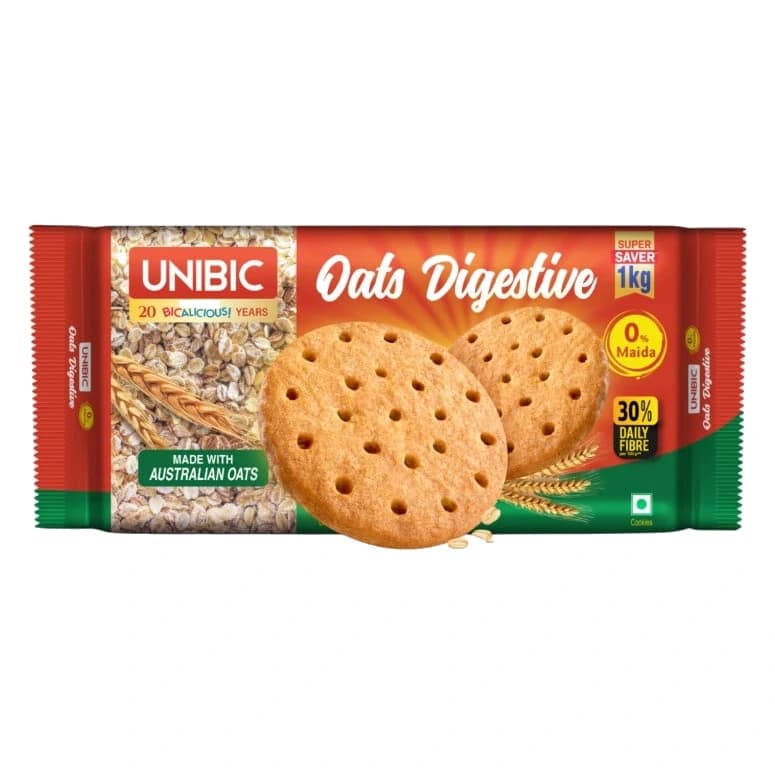
All Biscuits & Cookies →- Unibic Oats Digestive Cookies
- −Red flag: High added sugar (16.6g per 100g)
- −Red flag: High sodium (655.7mg per 100g)
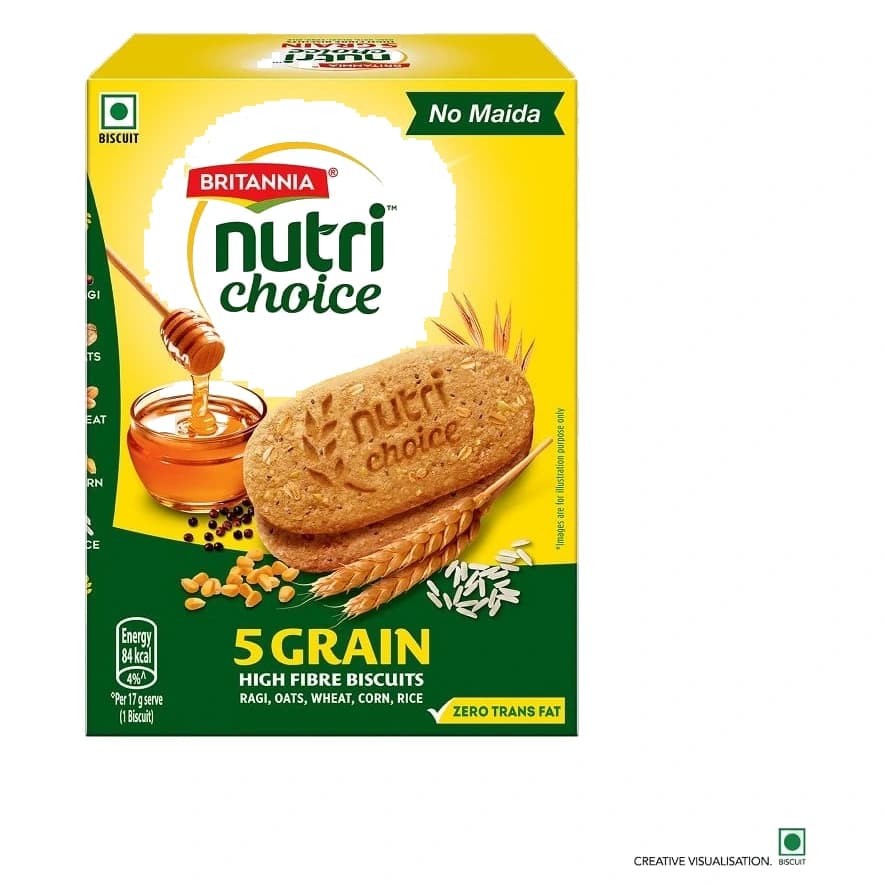
- Britannia NutriChoice 5 Grain Digestive Biscuit
- −Red flag: High added sugar (17.3g per 100g)
- −Red flag: High saturated fat (9.7g)
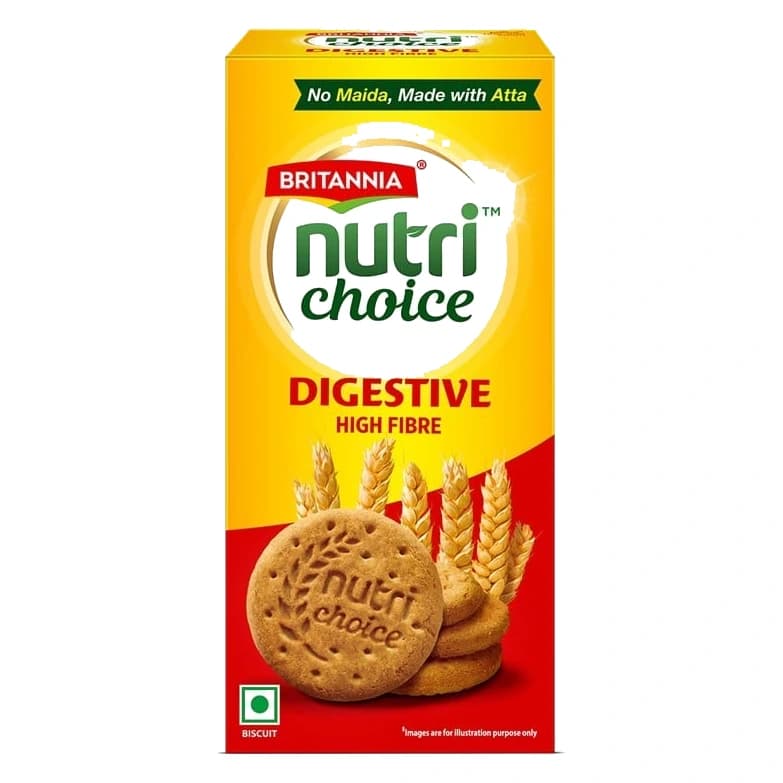
- Britannia NutriChoice Digestive High-Fibre Biscuit
- −Red flag: High added sugar (12.1g per 100g)
- −Red flag: High saturated fat (10.3g)
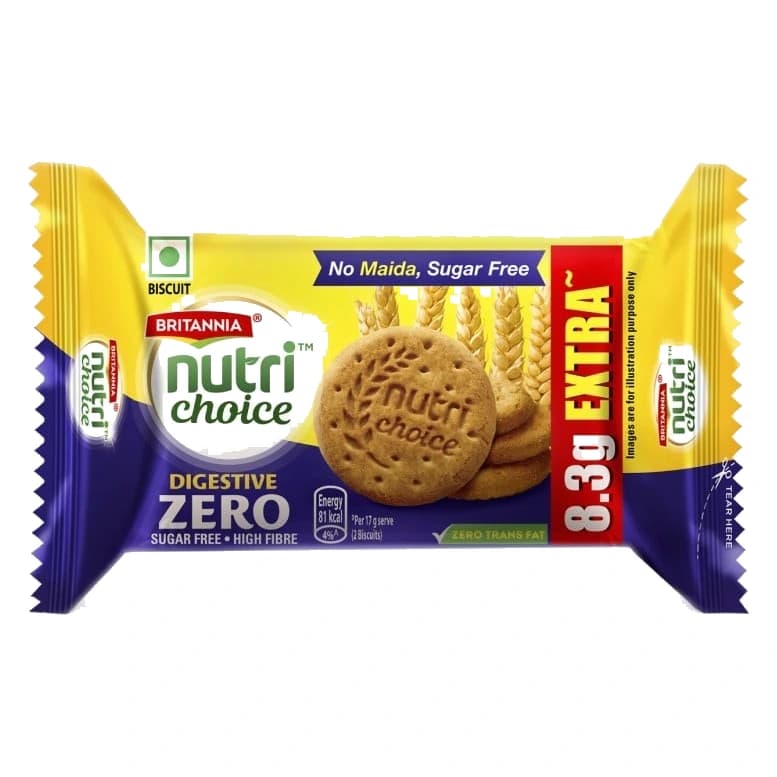
- Britannia NutriChoice Digestive Zero Biscuit
- −Red flag: High saturated fat (10.2g)
- −Red flag: Contains Maltodextrin