Amul Masti Cup Curd
Published · Updated
Amul Masti Cup Curd is a plain curd made from toned milk, milk solids and live culture, sold as a meal accompaniment. It scores BA1: nutrition is solid on protein and calcium, ingredients are short and clean, and risk is minimal with no added sugar and little salt. Fine as an everyday food, eaten plain or in raita and lassi.
Ingredients, decoded
2 listed- Pasteurised Toned Milk
- Milk Solids & Active Culture
1 teaspoon of sugar in every 100 g · 4.6 g total sugar, 5 g a teaspoon
| Energy | 65 kcal |
|---|---|
| Protein | 4 g |
| Carbohydrates | 4.6 g |
| Total sugars | 4.6 g |
| Added sugars | 0 g |
| Total fat | 3.1 g |
| Saturated fat | 2 g |
| Trans fat | 0 g |
| Cholesterol | 9 mg |
| Sodium | 50 mg |
| Calcium | 150 mg |
Think this score is wrong?
What to know about Amul Masti Cup Curd
A two-ingredient curd with no added sugar
Amul Masti Cup Curd is a 200 g cup of dahi made from pasteurised toned milk, milk solids and active culture. Nothing else is listed. It is bought as an everyday accompaniment to meals and as a base for lassi, dahi vada and similar dishes.
Per 100 g you get 65 kcal, 4 g protein, 4.6 g sugar (all from the milk, with 0 g added sugar), 3.1 g fat of which 2 g is saturated, 50 mg sodium and 150 mg calcium. The pack's table counts the cup as two servings of 100 g, so those figures are also what one serving gives.
The name promises dahi, and the list delivers exactly that, with no sweetener, thickener, preservative or flavour. The side-of-pack benefit lines are general ones about dahi rather than figures. CleanPlate scores it BA1.
Why Amul Masti Cup Curd scores BA1
Nutrition is a B on 4 g protein and 150 mg calcium per 100 g. Ingredients are an A on a two-item list with no additives, and risk is a 1 on 2 g saturated fat and 50 mg sodium.
Good nutrient density
- Protein
- 4 g
- Fibre
- Not declared
- Vitamins and minerals
- Calcium
- Energy
- 65 kcal
01 Nutrition density: why B
Protein is 4 g per 100 g, almost all from the toned milk. Calcium is 150 mg per 100 g, which earns the micronutrient bonus and lifts the grade.
No fibre is declared, and no other vitamins or minerals are listed on the panel, so protein and calcium carry the grade.
Scored on protein, fibre and twelve vitamins and minerals, against the Codex and FSSAI "source" and "high" levels, per 100 g and per 100 kcal. Protein also has to supply at least 12.5% of the calories to count, and 25% for full credit.
Clean, minimally processed
- Base
- Pasteurised Toned Milk
- Sweeteners
- None added
- Additives
- 0
- Flagged
- None
02 Ingredient integrity: why A
The list has two items: pasteurised toned milk, and milk solids with active culture. There are no additives, no sweetener, no flavour and no preservative, so nothing costs ingredient points.
No pack promise is hollow, so there is no [L] flag.
Scored on how processed the ingredients are, which additives are used and why, and whether the label keeps its promises.
Clean
- Added sugar
- 0 g
- Sodium
- 50 mg
- Saturated fat
- 2 g
- Trans fat
- 0 g
03 Load risk: why 1
Saturated fat is 2 g per 100 g, well under the 5 g high line, and it is the largest part of the risk number. Sodium is 50 mg per 100 g and adds little.
Added sugar is 0 g, and trans fat and energy add nothing. A whole 200 g cup has 4 g saturated fat.
Scored on free sugar, sodium, saturated fat and trans fat, each weighed by how strong the evidence of harm is.
Red flags
No major red flags on the label.
Green flags
- +Green flag: No added sugar
- +Green flag: Low sodium
- +Green flag: No additives
Does Amul Masti Cup Curd live up to its claims?
The dahi name, the calcium source claim and no added sugar all hold, at 150 mg calcium and 0 g added sugar per 100 g. The immunity claim has no figure behind it.
- Product nameHolds
“Amul Masti Dahi”
The ingredients are pasteurised toned milk, milk solids and active culture, which is what dahi is.
- On the packHolds
“Source of Calcium”
The panel shows 150 mg calcium per 100 g, so the claim is backed by a real number.
- On the packBe careful
“Builds Immunity”
This is a general line about dahi. The panel has no nutrient figure that supports it beyond the calcium and protein.
- Retail listingHolds
“No Added Sugar”
Added sugar is 0 g per 100 g. The 4.6 g sugar shown is natural milk sugar.
What's in Amul Masti Cup Curd?
Pasteurised toned milk leads, followed by milk solids and active culture. There are no additives, so the only thing to note is the milk's saturated fat and natural sugar.
The ingredient list, read for you
Pasteurised toned milk leads the list and makes up nearly all of the curd. Milk solids add body and protein, and the active culture is what sets the milk into curd. Nothing else is listed.
Ingredients to watch
- Saturated fatWorth watching
2 g per 100 g, under the 5 g high line. A whole 200 g cup has 4 g.
- Milk sugarWorth watching
4.6 g per 100 g, all natural lactose, with 0 g added sugar. It matters mainly to people who are lactose intolerant.
- Ingredient listFine
Toned milk, milk solids and culture only, with no additives.
- Protein and calciumFine
4 g protein and 150 mg calcium per 100 g, the same in one serving.
- SodiumFine
50 mg per 100 g, a small amount.
What it doesn’t have
- No fibre is declared, as expected for a milk product.
- No vitamins are declared on the panel, only calcium.
Who should eat Amul Masti Cup Curd?
Everyday for most adults and children. Heart health is also fine at this size. People with lactose intolerance should check with their doctor.
- Most adultsEveryday
65 kcal and 2 g saturated fat per 100 g, with no additives.
- ChildrenEveryday
No added sugar, sweetener or dye, with 150 mg calcium per 100 g.
- Heart healthEveryday
2 g saturated fat per 100 g is under the 5 g high line, and sodium is 50 mg.
- Lactose intoleranceCheck with your doctor
It has 4.6 g milk sugar per 100 g, and tolerance varies.
Recipes with Amul Masti Cup Curd
Curd works as raita, lassi or dahi vada, and its 0 g added sugar means a lassi only has the sweetness you add.
Plain raita
Whisk the curd with grated cucumber and a pinch of roasted cumin, keeping the 50 mg sodium per 100 g low.
Lassi
Blend the curd with water and a little fruit or a pinch of salt. It starts with 0 g added sugar, so you decide the sweetness.
Dahi vada
Pour whisked curd over soaked vadas for 4 g protein per 100 g of curd in the dish.
Curd with fruit
Spoon over chopped fruit for a quick bowl, with 65 kcal per 100 g of curd.
Amul Masti Cup Curd: common questions
What is the CleanPlate score of Amul Masti Cup Curd?
Amul Masti Cup Curd is a plain curd made from toned milk, milk solids and live culture, sold as a meal accompaniment. It scores BA1: nutrition is solid on protein and calcium, ingredients are short and clean, and risk is minimal with no added sugar and little salt. Fine as an everyday food, eaten plain or in raita and lassi. Nutrition B, ingredients A, load risk 1; nutrition and ingredients run A to E, risk runs 1 to 5, and A and 1 are best.
How many calories and how much protein are in Amul Masti Cup Curd?
Per 100 g, Amul Masti Cup Curd has 65 kcal, 4 g protein, 4.6 g carbohydrate, 3.1 g fat and 2 g saturated fat. One serve (1 serving, 100 g (half the 200 g cup)) has 65 kcal and 4 g protein.
What are the ingredients in Amul Masti Cup Curd?
2 ingredients, in label order: Pasteurised Toned Milk, Milk Solids & Active Culture.
Does Amul Masti Cup Curd live up to its claims?
4 claims checked: 3 hold, 1 needs care. "Builds Immunity" needs care: This is a general line about dahi. The panel has no nutrient figure that supports it beyond the calcium and protein.
Who should limit Amul Masti Cup Curd?
Most adults: everyday. 65 kcal and 2 g saturated fat per 100 g, with no additives. Children: everyday. No added sugar, sweetener or dye, with 150 mg calcium per 100 g. Heart health: everyday. 2 g saturated fat per 100 g is under the 5 g high line, and sodium is 50 mg.
How much sugar, salt and saturated fat does Amul Masti Cup Curd have?
Per 100 g, Amul Masti Cup Curd has 0 g added sugar, 50 mg sodium (about 0.1 g salt) and 2 g saturated fat. The FSSAI and UK FSA "high" lines are 10 g added sugar, 600 mg sodium and 5 g saturated fat per 100 g. It is under all three lines.
Last reviewed October 23, 2026. Scored with the CleanPlate method from the published label. Spotted a mistake? .
Better Curd & Yogurt
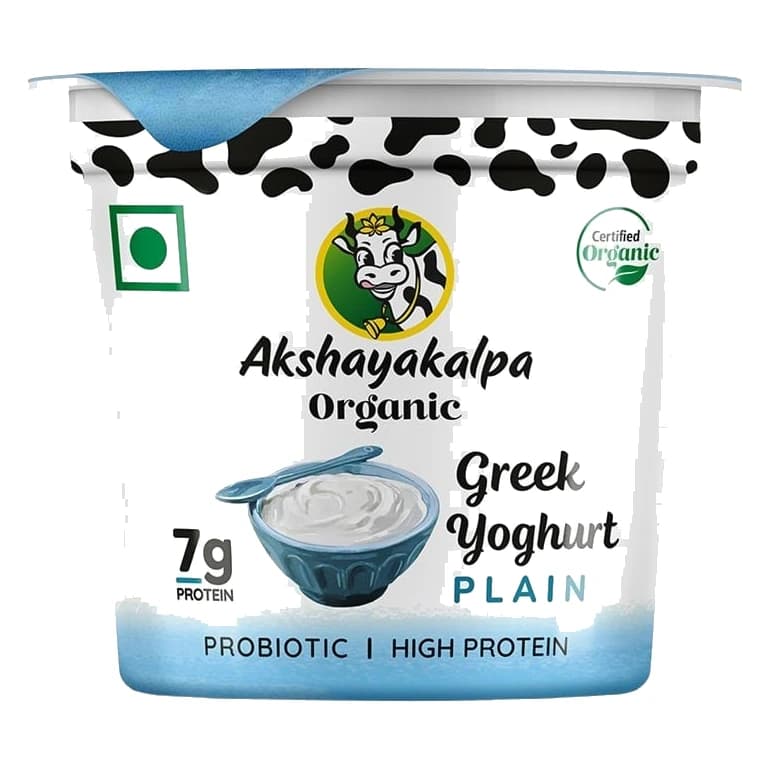
All Curd & Yogurt →- Akshayakalpa Organic Plain Greek Yogurt
- +Green flag: Source of protein (7.8g)
- +Green flag: No added sugar
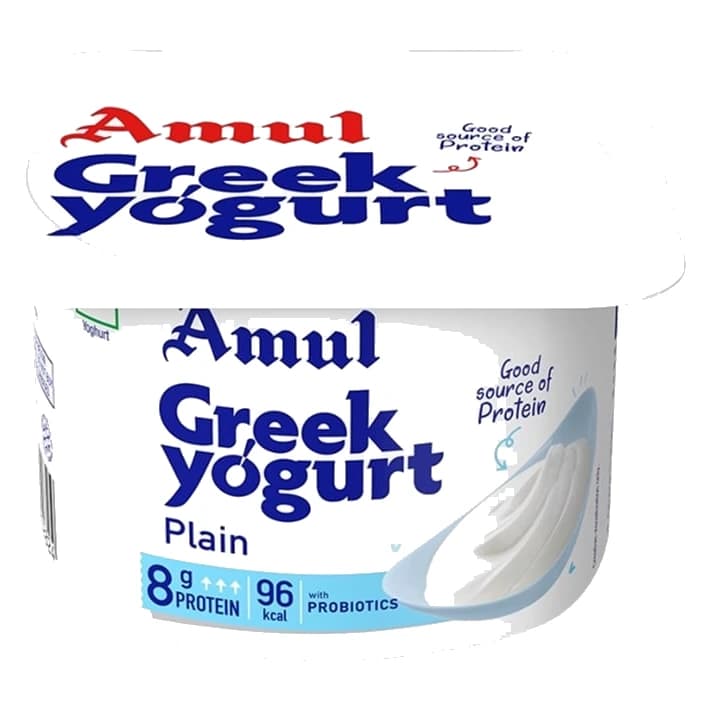
- Amul Greek Yogurt (Plain)
- +Green flag: Source of protein (8g)
- +Green flag: No added sugar
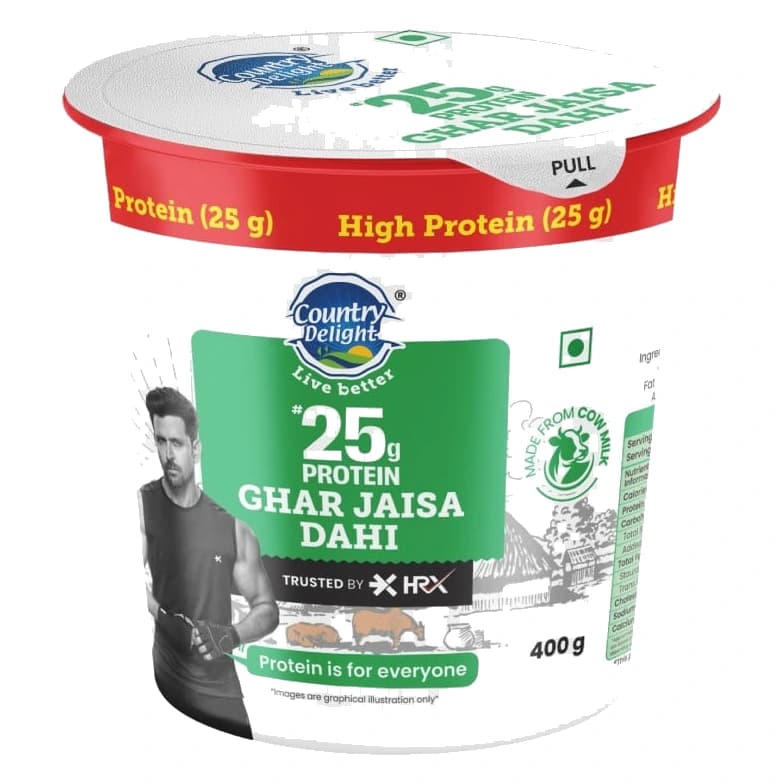
- Country Delight 25 g High Protein Curd (Ghar Jaisa Dahi)
- +Green flag: Source of protein (6.3g)
- +Green flag: No added sugar
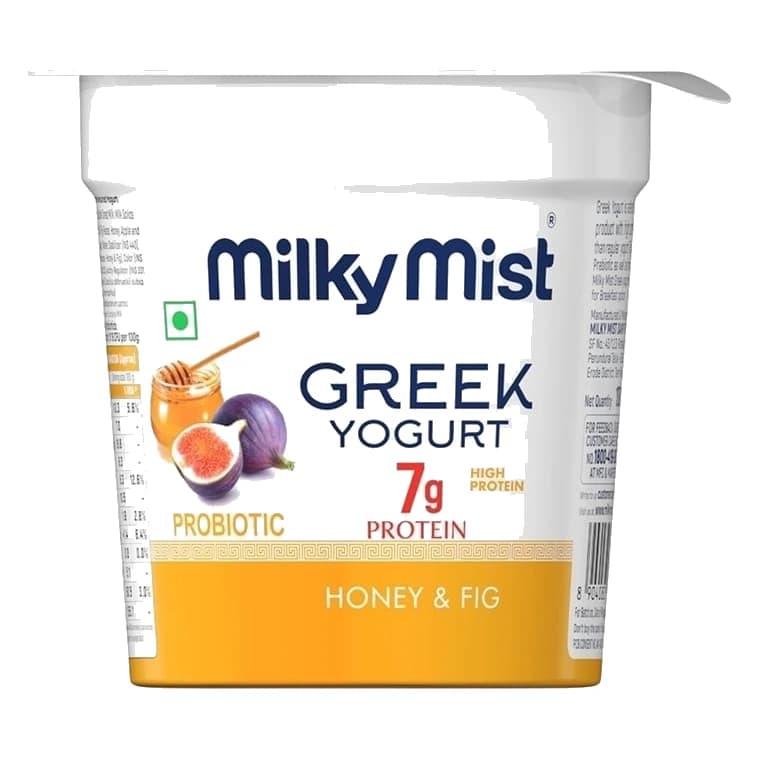
- Milky Mist Honey & Fig Greek Yogurt
- +Green flag: Source of protein (7g)
- +Green flag: High fibre (10.5g)