Yakult Probiotic Drink
Published
Yakult Probiotic Drink is a small sweetened fermented milk drink that carries a live Lactobacillus casei strain Shirota in each bottle. It scores EB3: nutrition is minimal because it is mostly water and sugar, ingredients are short and simple apart from added flavouring, and risk is moderate because of the sugar. Enjoy a bottle now and then as a small sweet drink.
Ingredients, decoded
6 listed- Water
- Sugar
- Skimmed Milk Powder
- Glucose
- Probiotic-Lactobacillus casei strain Shirota
- Natural & Nature Identical Flavours

2 teaspoons of sugar in every 100 ml · 10.5 g total sugar, 5 g a teaspoon
| Energy | 50 kcal |
|---|---|
| Protein | 0.8 g |
| Carbohydrates | 11.5 g |
| Total sugars | 10.5 g |
| Added sugars | 9.5 g |
| Total fat | 0.1 g |
| Cholesterol | 0 mg |
| Sodium | 10.5 mg |
Think this score is wrong?
What to know about Yakult Probiotic Drink
A live-culture drink that is mostly sugar and water
Yakult Probiotic Drink is a fermented milk drink sold in 65 ml bottles, in a pack of five. The list is short: water, sugar, skimmed milk powder, glucose, the probiotic Lactobacillus casei strain Shirota, and natural and nature-identical flavours. It is bought by people who want a daily probiotic habit in a small, easy format.
The pack prints its panel per 65 ml bottle: 50 kcal, 0.8 g protein, 10.5 g total sugar of which 9.5 g is added, and 10.5 mg sodium. There is no fat of note and no fibre. The 9.5 g of added sugar is 19% of the daily value, and the pack suggests one to two bottles a day.
The front promises 650 crore CFU of the Shirota strain per bottle, and the back backs it with the FSSAI minimum of 100 million CFU a day. That count is a real feature of the drink. The sugar, which comes before the milk in the list, is what the front does not mention. CleanPlate scores it EB3.
Why Yakult Probiotic Drink scores EB3
Nutrition is an E because the drink is mostly water and sugar with 0.8 g protein per bottle. Ingredients are a B for a short list with one flavouring cost, and risk is a 3 on the sugar.
Very low nutrient density
- Protein
- 0.8 g
- Fibre
- Not declared
- Vitamins and minerals
- None declared
- Energy
- 50 kcal
01 Nutrition density: why E
Protein is 0.8 g per bottle, from skimmed milk powder, and there is no fibre. No vitamins or minerals are declared, so nothing lifts the grade.
The energy is nearly all sugar: 50 kcal per bottle, with 10.5 g total sugar. That leaves nutrition at the bottom of the scale.
Scored on protein, fibre and twelve vitamins and minerals, against the Codex and FSSAI "source" and "high" levels, per 100 g and per 100 kcal. Protein also has to supply at least 12.5% of the calories to count, and 25% for full credit.
Good, few concerning additives
- Base
- Water
- Sweeteners
- Sugar, Glucose
- Additives
- 0
- Flagged
- None
02 Ingredient integrity: why B
The list has six items and no colour, no thickener and no sweetener other than sugar and glucose. That is a short, readable list, and it earns a good ingredient grade.
The one cost is the natural and nature-identical flavouring, which costs ingredient points. There are no hollow label promises, so no label integrity flag is set.
Scored on how processed the ingredients are, which additives are used and why, and whether the label keeps its promises.
Moderate risk
- Added sugar
- 9.5 g
- Sodium
- 10.5 mg
03 Load risk: why 3
Sugar drives almost all of the risk number: 9.5 g added sugar per bottle, about a fifth of the day's daily value printed on the pack.
Sodium is 10.5 mg per bottle and there is no saturated fat or trans fat, so they add almost nothing. Sugar alone puts risk at a 3.
Scored on free sugar, sodium, saturated fat and trans fat, each weighed by how strong the evidence of harm is.
Red flags
- −Red flag: High added sugar (9.5g per 100ml)
Green flags
- +Green flag: Low sodium
Does Yakult Probiotic Drink live up to its claims?
The 650 crore CFU count and the no-preservatives claim hold. The digestion and immunity claims describe the Shirota strain, not something the label itself can show.
- Product nameHolds
“Yakult Probiotic Fermented Milk Drink”
It is a milk-based drink with the Lactobacillus casei strain Shirota listed as an ingredient, and skimmed milk powder is third on the list.
- On the packHolds
“650 Crore CFU per bottle”
The pack states the count per bottle, well above the 100 million CFU a day the pack itself cites as the FSSAI minimum. The retailer page shows 6.5 billion, which is the same number.
- On the packBe careful
“Proven to help improve digestion and build immunity”
The pack attributes this to the Shirota strain, with FSSAI approval noted. The label cannot show the effect, and the drink also carries 9.5 g added sugar per bottle.
- On the packHolds
“No Preservatives”
No preservative appears in the list. Flavouring is the only additive-type entry.
- Retail listingBe careful
“Reduces toxins in our body”
The retailer page makes this claim, but the pack does not and the label gives nothing to back it.
What's in Yakult Probiotic Drink?
Water, sugar and skimmed milk powder lead the list, with glucose, the culture and flavouring after. The added sugar is the thing to watch.
The ingredient list, read for you
Water leads, followed by sugar and skimmed milk powder, so the drink is a sweetened, diluted milk base. Glucose adds more sweetness. The Lactobacillus casei strain Shirota is the live culture the drink is sold for, and natural and nature-identical flavours finish the list.
Ingredients to watch
- Added sugarConcern
9.5 g per 65 ml bottle from sugar and glucose, 19% of the daily value printed on the pack. This is the main reason risk is a 3.
- Natural and nature-identical flavoursWorth watching
Flavouring costs ingredient points. The specific flavour compounds are not named on the label.
- Milk allergenWorth watching
Made with skimmed milk powder, and the pack says it contains milk.
- Live cultureFine
Lactobacillus casei strain Shirota, 650 crore CFU per bottle as stated on the pack.
- Sodium and fatFine
10.5 mg sodium per bottle, almost no fat and no saturated fat.
What it doesn’t have
- No fibre, vitamins or minerals are declared on the panel.
Who should eat Yakult Probiotic Drink?
A few times a week for most adults and children. Anyone with lactose intolerance should check with a doctor first, since it is made from milk powder.
- Most adultsA few times a week
9.5 g added sugar per bottle adds up quickly at the pack's two a day.
- ChildrenA few times a week
One small bottle has 9.5 g added sugar and no dye or sweetener.
- Heart healthA few times a week
Sodium is only 10.5 mg and there is no saturated fat, but the sugar counts.
- Lactose intoleranceCheck with your doctor
Made with skimmed milk powder and carries a milk allergen warning.
Yakult Probiotic Drink: common questions
What is the CleanPlate score of Yakult Probiotic Drink?
Yakult Probiotic Drink is a small sweetened fermented milk drink that carries a live Lactobacillus casei strain Shirota in each bottle. It scores EB3: nutrition is minimal because it is mostly water and sugar, ingredients are short and simple apart from added flavouring, and risk is moderate because of the sugar. Enjoy a bottle now and then as a small sweet drink. Nutrition E, ingredients B, load risk 3; nutrition and ingredients run A to E, risk runs 1 to 5, and A and 1 are best.
How many calories and how much protein are in Yakult Probiotic Drink?
Per 100 ml, Yakult Probiotic Drink has 50 kcal, 0.8 g protein, 11.5 g carbohydrate, 0.1 g fat and 9.5 g added sugar.
What are the ingredients in Yakult Probiotic Drink?
6 ingredients, in label order: Water, Sugar, Skimmed Milk Powder, Glucose, Probiotic-Lactobacillus casei strain Shirota, Natural & Nature Identical Flavours.
Does Yakult Probiotic Drink live up to its claims?
5 claims checked: 3 hold, 2 need care. "Proven to help improve digestion and build immunity" needs care: The pack attributes this to the Shirota strain, with FSSAI approval noted. The label cannot show the effect, and the drink also carries 9.5 g added sugar per bottle. "Reduces toxins in our body" needs care: The retailer page makes this claim, but the pack does not and the label gives nothing to back it.
Who should limit Yakult Probiotic Drink?
Most adults: a few times a week. 9.5 g added sugar per bottle adds up quickly at the pack's two a day. Children: a few times a week. One small bottle has 9.5 g added sugar and no dye or sweetener. Heart health: a few times a week. Sodium is only 10.5 mg and there is no saturated fat, but the sugar counts.
How much sugar, salt and saturated fat does Yakult Probiotic Drink have?
Per 100 ml, Yakult Probiotic Drink has 9.5 g added sugar and 11 mg sodium (about 0 g salt). The FSSAI and UK FSA "high" lines are 5 g added sugar, 300 mg sodium and 2.5 g saturated fat per 100 ml. It is high in sugar.
Last reviewed October 29, 2026. Scored with the CleanPlate method from the published label. Spotted a mistake? .
Label read on 29 October 2026, from photos of the pack. If the pack has changed since, tell us.
Score history (1)
| Date | Score | Method | Why |
|---|---|---|---|
| 29 October 2026 | EB3 | v5.0 | History starts here |
Every change to this score is logged. See corrections and the method changelog.
Better Dairy Beverages
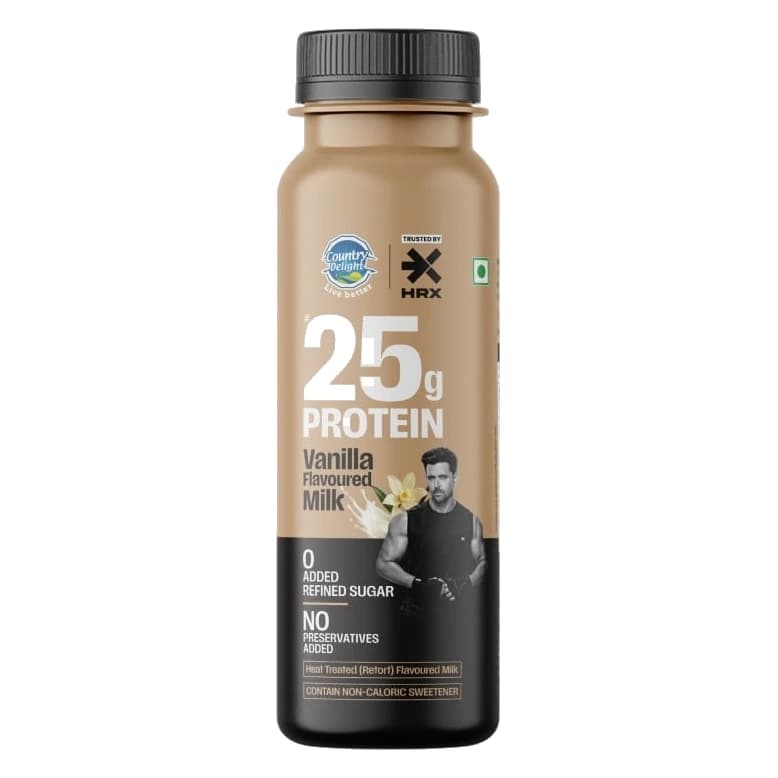
All Dairy Beverages →- Country Delight 25 g High Protein Vanilla Milk
- +Green flag: High protein (10g per 100ml)
- +Green flag: No added sugar
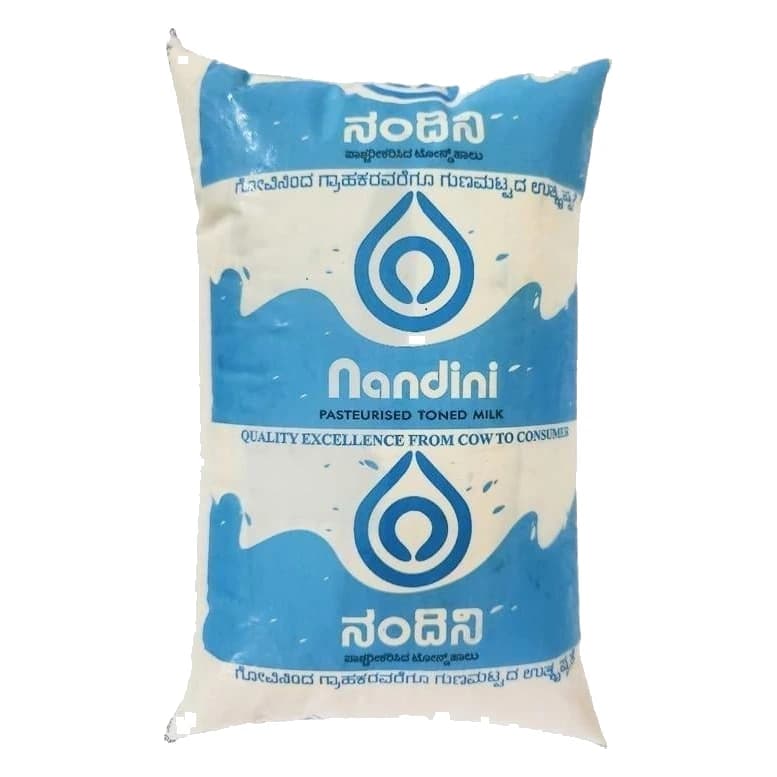
- Nandini Toned MilkFortified
- +Green flag: Source of protein (3.3g)
- +Green flag: No added sugar
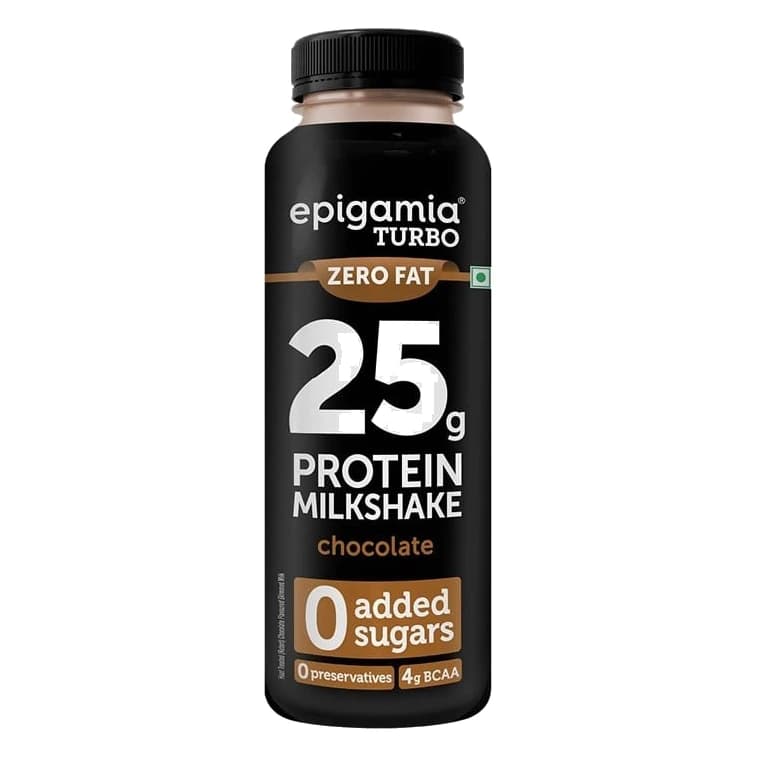
- Epigamia Turbo Chocolate Protein Milkshake
- −Red flag: Contains Carrageenan
- +Green flag: High protein (10g per 100ml)
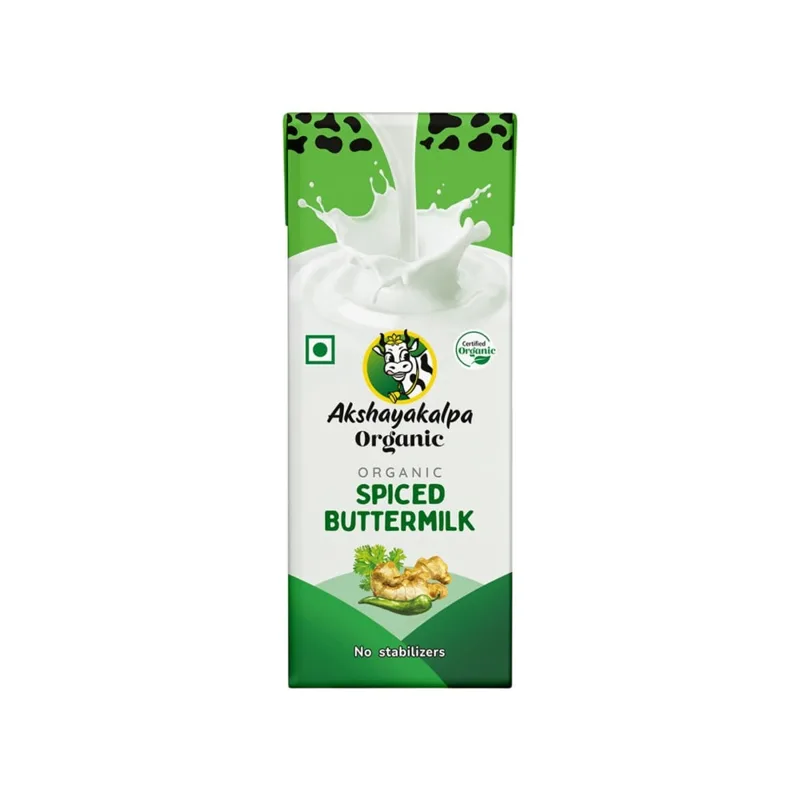
- Akshayakalpa Organic Spiced Buttermilk
- +Green flag: No added sugar
- +Green flag: No additives