Karachi Halwa
Published
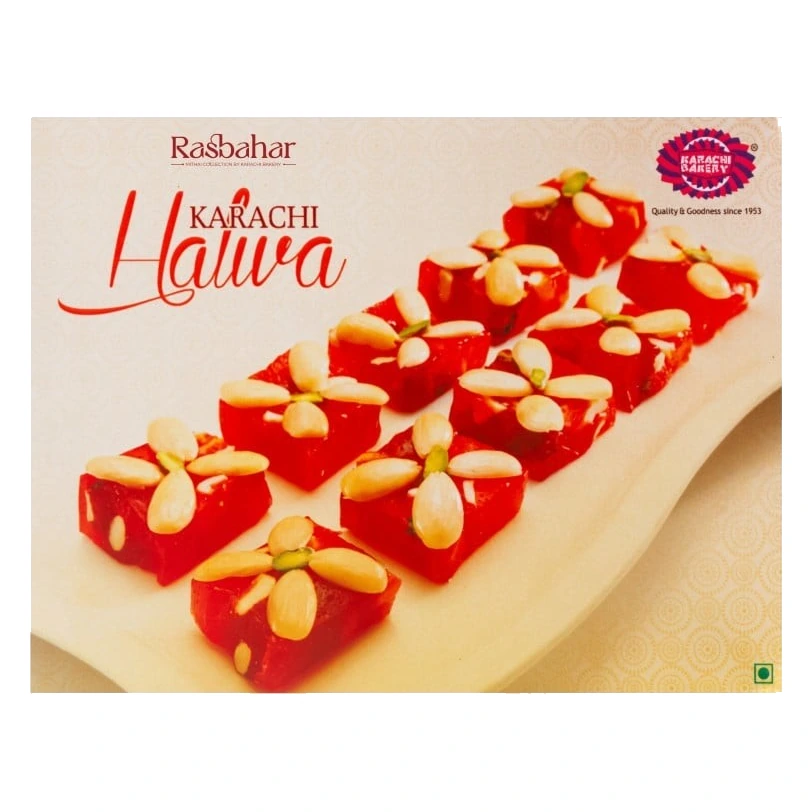
Karachi Halwa from Karachi Bakery is a soft, cornflour-based Indian sweet with a little cashew, almond and pistachio, sold in gift boxes. It scores EB2: nutrition is very low because it offers almost no protein or fibre, ingredients hold up fairly well apart from a synthetic dye and added flavour, and risk is moderate from sugar. A festive treat to share in small pieces.
Ingredients, decoded
9 listed- Cornflour
- Sugar
- Edible Vegetable Fat
- Cashew
- Almonds
- Pistachio
- Cardamom Powder
- Permitted Synthetic Food Colour (E110)
- Added Flavour (Artificial & Natural Flavouring Substances- Orange)
3 teaspoons of sugar in every 100 g · 14 g total sugar, 5 g a teaspoon
| Energy | 124 kcal |
|---|---|
| Protein | 0.45 g |
| Carbohydrates | 23 g |
| Total sugars | 14 g |
| Dietary fibre | 0.06 g |
| Total fat | 3 g |
| Saturated fat | 2 g |
| Trans fat | 0 g |
| Cholesterol | 0.01 mg |
| Sodium | 4 mg |
Think this score is wrong?
What to know about Karachi Halwa
A cornflour sweet with a dye and little else
Karachi Halwa is a 200 g box of soft, chewy Indian sweet from Karachi Bakery, part of its Rasbahar Mithai Collection. It is built on cornflour and sugar, bound with edible vegetable fat, and studded with cashew, almonds and pistachio, with cardamom for aroma. It is bought mostly as a festive gift or a sweet to put out for guests. The pack declares no ingredient percentages.
Per 100 g it gives 124 kcal, 23 g carbohydrate, 14 g sugar, 3 g fat (2 g of it saturated), 0.45 g protein and almost no fibre. In a typical 50 g serve (our estimate, the pack prints no serve) that is about 62 kcal and 7 g sugar. Sodium is only 4 mg per 100 g, so salt plays no part.
The pack leans on heritage, with Quality & Goodness since 1953, but the list tells a plainer story. Cornflour and sugar lead, the nuts come after the fat, and the colour is the synthetic dye Sunset yellow (E110), next to an artificial and natural orange flavour. Both are declared openly. CleanPlate scores it EB2.
Why Karachi Halwa scores EB2
Nutrition is an E because protein is 0.45 g and fibre 0.06 g per 100 g, with no vitamins or minerals declared. Ingredients are a B, held back by a dye and flavour. Risk is a 2, driven by 14 g sugar.
Very low nutrient density
- Protein
- 0.45 g
- Fibre
- 0.06 g
- Vitamins and minerals
- None declared
- Energy
- 124 kcal
01 Nutrition density: why E
Protein is 0.45 g per 100 g and fibre is 0.06 g, so the food earns almost nothing on either. The largest protein contributor is cornflour, a refined starch.
No vitamins or minerals are declared, and the pack says it is not a significant source of Vitamin A, Vitamin C, calcium or iron. Nothing else adds to the grade, which is why it sits at the bottom.
Scored on protein, fibre and twelve vitamins and minerals, against the Codex and FSSAI "source" and "high" levels, per 100 g and per 100 kcal. Protein also has to supply at least 12.5% of the calories to count, and 25% for full credit.
Good, few concerning additives
- Base
- Cornflour
- Main fat
- Edible Vegetable Fat
- Sweeteners
- Sugar
- Additives
- 0
- Flagged
- Sunset Yellow FCF
- Artificial flavour or colour
- Yes
02 Ingredient integrity: why B
The list is short and easy to read: cornflour, sugar, edible vegetable fat, three nuts and cardamom. No hydrogenated fat is listed, so the declared 0 g trans fat is accepted. Nothing on the pack is a hollow promise.
The grade is held back by two additives. Sunset yellow FCF (E110) costs ingredient points, and so does the artificial and natural orange flavouring. Nut percentages are not declared, which also limits the credit the nuts can earn.
Scored on how processed the ingredients are, which additives are used and why, and whether the label keeps its promises.
Low risk
- Total sugar
- 14 g
- Sodium
- 4 mg
- Saturated fat
- 2 g
- Trans fat
- 0 g
03 Load risk: why 2
Sugar is the main driver: 14 g per 100 g, none of it declared as added, so all of it is counted as free sugar because sugar is a listed ingredient. In a 50 g serve that is about 7 g.
Saturated fat adds a smaller share at 2 g per 100 g. Energy is 124 kcal per 100 g, sodium is only 4 mg and trans fat is 0 g, so they add little. The result is a risk grade of 2.
Scored on free sugar, sodium, saturated fat and trans fat, each weighed by how strong the evidence of harm is.
Red flags
- −Red flag: Contains Sunset Yellow FCF
Green flags
- +Green flag: Low sodium
Does Karachi Halwa live up to its claims?
The pack's claims are mostly general, and the dye and flavour are disclosed honestly. Nothing is hollow, but quality and goodness is a framing rather than a measurable promise.
- Retail listingBe careful
“Made with quality ingredients”
This is a general statement that cannot be measured. The list does include a synthetic dye (E110) and an added flavour next to the cornflour, sugar and nuts.
- On the packBe careful
“Quality & Goodness since 1953”
This is a brand heritage line, not a nutrition claim. The sweet itself has 14 g sugar and 0.45 g protein per 100 g.
- On the packHolds
“Contains Permitted Synthetic Food Colour (E110)”
The dye is declared on the back and in the ingredient list. It costs ingredient points.
- On the packHolds
“Not a significant source of Vitamin A, C, Calcium & Iron”
No vitamins or minerals are declared, and the panel agrees with the list.
What's in Karachi Halwa?
Cornflour, sugar and vegetable fat lead, with nuts and cardamom after. The things to watch are the Sunset yellow dye, the added flavour and the sugar.
The ingredient list, read for you
Cornflour comes first, then sugar, so the sweet is mostly starch and sugar. Edible vegetable fat follows and gives it softness and a rich feel. Cashew, almonds and pistachio come after that, so they are a smaller share, and no percentages are declared. Cardamom gives the aroma.
The last two items are Sunset yellow (E110), a synthetic colour, and an added artificial and natural orange flavour. Both are for look and taste, not nutrition.
Ingredients to watch
- Sunset yellow FCF (E110)Concern
A synthetic colour that costs ingredient points. It is there for appearance only, and it is one reason children are advised to have this less often.
- SugarConcern
14 g per 100 g, about 7 g in a 50 g serve. It is the main driver of the risk grade.
- Added orange flavourWorth watching
Artificial and natural flavouring substances are listed. They cost ingredient points.
- Edible vegetable fatWorth watching
The type of fat is not named. No hydrogenation is listed and trans fat is 0 g, but saturated fat is 2 g per 100 g.
- Nuts and cardamomFine
Cashew, almonds and pistachio are real ingredients, though their share is not declared and they come after the fat.
What it doesn’t have
- No protein or fibre worth counting: 0.45 g and 0.06 g per 100 g.
- No ingredient percentages, so the nut share is unknown.
Who should eat Karachi Halwa?
An occasional or a few-times-a-week sweet for most adults. Children should have it less often because of the dye, and people watching blood sugar should keep portions small.
- Most adultsA few times a week
About 7 g sugar and 62 kcal in a 50 g serve is modest if the portion stays small.
- ChildrenOccasionally
It contains the synthetic dye E110, and the sugar is 14 g per 100 g.
- Diabetes or prediabetesOccasionally
14 g sugar per 100 g and almost no fibre or protein to slow it down.
- Weight managementA few times a week
124 kcal per 100 g is not dense, but it gives no protein or fibre to keep you full.
Karachi Halwa: common questions
What is the CleanPlate score of Karachi Halwa?
Karachi Halwa from Karachi Bakery is a soft, cornflour-based Indian sweet with a little cashew, almond and pistachio, sold in gift boxes. It scores EB2: nutrition is very low because it offers almost no protein or fibre, ingredients hold up fairly well apart from a synthetic dye and added flavour, and risk is moderate from sugar. A festive treat to share in small pieces. Nutrition E, ingredients B, load risk 2; nutrition and ingredients run A to E, risk runs 1 to 5, and A and 1 are best.
How many calories and how much protein are in Karachi Halwa?
Per 100 g, Karachi Halwa has 124 kcal, 0.45 g protein, 23 g carbohydrate, 3 g fat and 2 g saturated fat. One serve (50 g, typical serve (our estimate)) has 62 kcal and 0.2 g protein.
What are the ingredients in Karachi Halwa?
9 ingredients, in label order: Cornflour, Sugar, Edible Vegetable Fat, Cashew, Almonds, Pistachio, Cardamom Powder, Permitted Synthetic Food Colour (E110), Added Flavour (Artificial & Natural Flavouring Substances- Orange). Flagged: Sunset Yellow FCF (moderate concern).
Does Karachi Halwa live up to its claims?
4 claims checked: 2 hold, 2 need care. "Made with quality ingredients" needs care: This is a general statement that cannot be measured. The list does include a synthetic dye (E110) and an added flavour next to the cornflour, sugar and nuts. "Quality & Goodness since 1953" needs care: This is a brand heritage line, not a nutrition claim. The sweet itself has 14 g sugar and 0.45 g protein per 100 g.
Who should limit Karachi Halwa?
Most adults: a few times a week. About 7 g sugar and 62 kcal in a 50 g serve is modest if the portion stays small. Children: occasionally. It contains the synthetic dye E110, and the sugar is 14 g per 100 g. Diabetes or prediabetes: occasionally. 14 g sugar per 100 g and almost no fibre or protein to slow it down.
How much sugar, salt and saturated fat does Karachi Halwa have?
Per 100 g, Karachi Halwa has 14 g sugar, 4 mg sodium (about 0 g salt) and 2 g saturated fat. The FSSAI and UK FSA "high" lines are 10 g added sugar, 600 mg sodium and 5 g saturated fat per 100 g. It is under all three lines.
Last reviewed October 30, 2026. Scored with the CleanPlate method from the published label. Spotted a mistake? .
Label read on 30 October 2026, from photos of the pack. If the pack has changed since, tell us.
Score history (1)
| Date | Score | Method | Why |
|---|---|---|---|
| 30 October 2026 | EB2 | v5.0 | First scored |
Every change to this score is logged. See corrections and the method changelog.
Better Indian Sweets
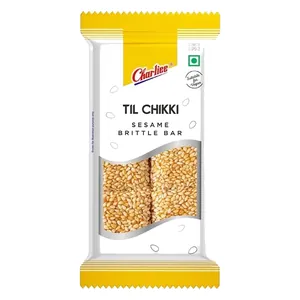
All Indian Sweets →- Til Chikki by Charliee
- −Red flag: High added sugar (33.3g per 100g)
- +Green flag: Source of protein (17.3g)
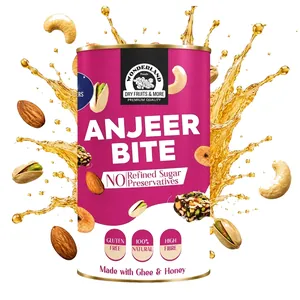
- Wonderland Foods Vrat Anjeer Bites
- −Red flag: High added sugar (15.8g per 100g)
- −Red flag: High saturated fat (18.1g)
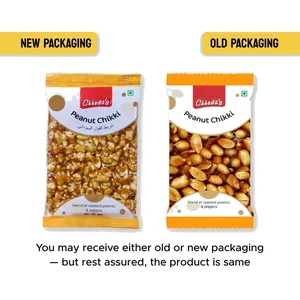
- Chheda's Peanut Chikki
- −Red flag: High sugar (40g per 100g)
- +Green flag: Source of protein (20g)
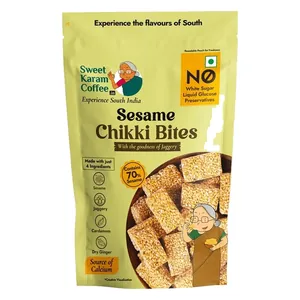
- Sweet Karam Coffee Sesame Chikki Bites
- −Red flag: High added sugar (29g per 100g)
- +Green flag: Low sodium