Priya Urad Dal Plain Appalam Papad
Published
Priya Urad Dal Plain Appalam is a thin, dry lentil-and-rice papad that you roast, microwave or fry as a side for meals. It scores CA5: middling on nutrition, with decent protein and fibre, top marks for a short, clean ingredient list, and a high risk grade because of the sodium. Fine as an occasional crisp side, not a daily habit.
Ingredients, decoded
5 listed- Urad Dal
- Rice
- Salt
- Edible Vegetable Oil (Coconut Oil)
- Acidity Regulator - Calcium Hydroxide

<½ teaspoon of sugar in every 100 g · 0.8 g total sugar, 5 g a teaspoon
| Energy | 310 kcal |
|---|---|
| Protein | 16 g |
| Carbohydrates | 51 g |
| Total sugars | 0.8 g |
| Added sugars | 0 g |
| Dietary fibre | 8 g |
| Total fat | 2.9 g |
| Saturated fat | 1.8 g |
| Trans fat | 0 g |
| Cholesterol | 0 mg |
| Sodium | 2300 mg |
Think this score is wrong?
What to know about Priya Urad Dal Plain Appalam Papad
A protein-rich papad with a heavy salt load
Priya Urad Dal Plain Appalam is a dry papad made from urad dal (61%), rice, salt, coconut oil and calcium hydroxide as an acidity regulator. It is bought as a crisp side for rice, dal and sambar meals, and it is cooked at home by roasting, microwaving or frying.
Per 100 g the papad has 310 kcal, 16 g protein, 8 g fibre, 2.9 g fat and no added sugar. The pack serve is 10 g, which gives 31 kcal, 1.6 g protein and 230 mg sodium. The cost is the salt: 2,300 mg sodium per 100 g.
The pack says Urad Plain, and the list backs that up, with urad dal first at 61% and nothing added for colour or flavour. The other lines on the listing are general: choicest ingredients and tastes like homemade. CleanPlate scores it CA5.
Why Priya Urad Dal Plain Appalam Papad scores CA5
Nutrition is a C on 16 g protein and 8 g fibre per 100 g. Ingredients are an A for a short, additive-free list, and risk is a 5 because sodium is 2,300 mg per 100 g.
Adequate nutrient density
- Protein
- 16 g
- Fibre
- 8 g
- Vitamins and minerals
- None declared
- Energy
- 310 kcal
01 Nutrition density: why C
Protein is 16 g per 100 g and fibre is 8 g. Most of the protein comes from urad dal, a legume that is 61% of the papad. That earns credit, but the energy is 310 kcal per 100 g from a dry, starchy base.
No vitamins or minerals are declared, so the grade rests on protein and fibre alone.
Scored on protein, fibre and twelve vitamins and minerals, against the Codex and FSSAI "source" and "high" levels, per 100 g and per 100 kcal. Protein also has to supply at least 12.5% of the calories to count, and 25% for full credit.
Clean, minimally processed
- Base
- Urad Dal
- Main fat
- Edible Vegetable Oil
- Sweeteners
- None added
- Additives
- 0
- Flagged
- None
02 Ingredient integrity: why A
The list is five items long: urad dal, rice, salt, coconut oil and calcium hydroxide. Calcium hydroxide is an acidity regulator and does not cost ingredient points here. No dye, flavouring, sweetener or hydrogenated fat is listed.
The pack makes no hollow promise, and the main percentage is declared, so nothing costs label points.
Scored on how processed the ingredients are, which additives are used and why, and whether the label keeps its promises.
Very high risk
- Added sugar
- 0 g
- Sodium
- 2300 mg
- Saturated fat
- 1.8 g
- Trans fat
- 0 g
03 Load risk: why 5
Sodium is almost the whole of the risk number: 2,300 mg per 100 g, and 230 mg in a 10 g serve. That is what lands the grade at 5.
Saturated fat is 1.8 g per 100 g, well under the 5 g high line, and added sugar is 0 g. Energy adds only a little. Trans fat is declared as 0 g.
Scored on free sugar, sodium, saturated fat and trans fat, each weighed by how strong the evidence of harm is.
Red flags
- −Red flag: High sodium (2300mg per 100g)
Green flags
- +Green flag: Source of protein (16g)
- +Green flag: High fibre (8g)
- +Green flag: No added sugar
Does Priya Urad Dal Plain Appalam Papad live up to its claims?
The urad plain name holds, with urad dal at 61% of the list. The choicest ingredients line is vague, though the list is short and free of additives of concern.
- Product nameHolds
“Papad Appalam Urad Plain”
Urad dal is the first ingredient at 61%, and no flavouring or spice is listed, so the plain name is accurate.
- Retail listingBe careful
“Made up of choicest ingredients”
The claim cannot be checked. The list is short and has no additives of concern, but salt is third on the list and sodium is 2,300 mg per 100 g.
- Retail listingBe careful
“Tastes like homemade”
This is a matter of taste. The recipe is simple, with dal, rice, salt and coconut oil, plus calcium hydroxide as an acidity regulator.
What's in Priya Urad Dal Plain Appalam Papad?
Urad dal leads, then rice, salt, coconut oil and calcium hydroxide. The list is short and plain, and salt is the one ingredient to watch.
The ingredient list, read for you
Urad dal leads at 61%, followed by rice, which makes the dry, crisp base. Salt comes third, ahead of the coconut oil, and the only additive is calcium hydroxide, used as an acidity regulator.
Ingredients to watch
- SodiumConcern
2,300 mg per 100 g, and 230 mg in a 10 g serve. Salt is the third ingredient and it drives the risk grade.
- Oil used in cookingWorth watching
The panel is for the dry papad. Frying in oil, as the pack directs, adds fat on top, while the microwave method uses a brush of oil.
- Calcium hydroxideFine
An acidity regulator, and the only additive listed. It costs no ingredient points.
- Protein and fibreFine
16 g protein and 8 g fibre per 100 g, mostly from urad dal. A 10 g serve has 1.6 g protein.
- Sugar and trans fatFine
Added sugar is 0 g and trans fat is 0 g per 100 g. Saturated fat is 1.8 g.
What it doesn’t have
- No vitamins or minerals are declared on the panel.
Who should eat Priya Urad Dal Plain Appalam Papad?
An occasional side for most adults. It is rarely right for children or weight management, and best avoided with high blood pressure, since a 10 g serve has 230 mg sodium.
- Most adultsRarely
2,300 mg sodium per 100 g, 230 mg in each 10 g serve.
- ChildrenRarely
Salty for a small body, with little else per 10 g serve.
- High blood pressureAvoid
Sodium is the main issue, and papads are often eaten in twos or threes.
- Weight managementRarely
31 kcal per serve is light, but the sodium is high.
Recipes with Priya Urad Dal Plain Appalam Papad
Roast or microwave it for the lightest cook, or crumble it over rice or salad. Frying adds oil, and a masala topping adds taste without extra papad salt.
Roasted papad with dal and rice
Roast it dry over a flame for a crisp side with no added oil, keeping to one serve of 10 g and its 230 mg sodium.
Microwave papad
Brush a little oil on both sides and cook on high for 30 to 60 seconds, as the pack directs.
Crumbled papad over rice or salad
Break a roasted papad over curd rice or a salad for crunch, and go lighter on salt in the dish itself.
Priya Urad Dal Plain Appalam Papad: common questions
What is the CleanPlate score of Priya Urad Dal Plain Appalam Papad?
Priya Urad Dal Plain Appalam is a thin, dry lentil-and-rice papad that you roast, microwave or fry as a side for meals. It scores CA5: middling on nutrition, with decent protein and fibre, top marks for a short, clean ingredient list, and a high risk grade because of the sodium. Fine as an occasional crisp side, not a daily habit. Nutrition C, ingredients A, load risk 5; nutrition and ingredients run A to E, risk runs 1 to 5, and A and 1 are best.
How many calories and how much protein are in Priya Urad Dal Plain Appalam Papad?
Per 100 g, Priya Urad Dal Plain Appalam Papad has 310 kcal, 16 g protein, 51 g carbohydrate, 2.9 g fat and 1.8 g saturated fat. One serve (10 g, 1 to 2 papads (pack serve)) has 31 kcal and 1.6 g protein.
What are the ingredients in Priya Urad Dal Plain Appalam Papad?
5 ingredients, in label order: Urad Dal, Rice, Salt, Edible Vegetable Oil (Coconut Oil), Acidity Regulator - Calcium Hydroxide.
Does Priya Urad Dal Plain Appalam Papad live up to its claims?
3 claims checked: 1 holds, 2 need care. "Made up of choicest ingredients" needs care: The claim cannot be checked. The list is short and has no additives of concern, but salt is third on the list and sodium is 2,300 mg per 100 g. "Tastes like homemade" needs care: This is a matter of taste. The recipe is simple, with dal, rice, salt and coconut oil, plus calcium hydroxide as an acidity regulator.
Who should limit Priya Urad Dal Plain Appalam Papad?
Most adults: rarely. 2,300 mg sodium per 100 g, 230 mg in each 10 g serve. Children: rarely. Salty for a small body, with little else per 10 g serve. High blood pressure: avoid. Sodium is the main issue, and papads are often eaten in twos or threes.
How much sugar, salt and saturated fat does Priya Urad Dal Plain Appalam Papad have?
Per 100 g, Priya Urad Dal Plain Appalam Papad has 0 g added sugar, 2300 mg sodium (about 5.8 g salt) and 1.8 g saturated fat. The FSSAI and UK FSA "high" lines are 10 g added sugar, 600 mg sodium and 5 g saturated fat per 100 g. It is high in salt.
Last reviewed October 29, 2026. Scored with the CleanPlate method from the published label. Spotted a mistake? .
Label read on 29 October 2026, from photos of the pack. If the pack has changed since, tell us.
Score history (1)
| Date | Score | Method | Why |
|---|---|---|---|
| 29 October 2026 | CA5 | v5.0 | History starts here |
Every change to this score is logged. See corrections and the method changelog.
Better Khakhra & Papad
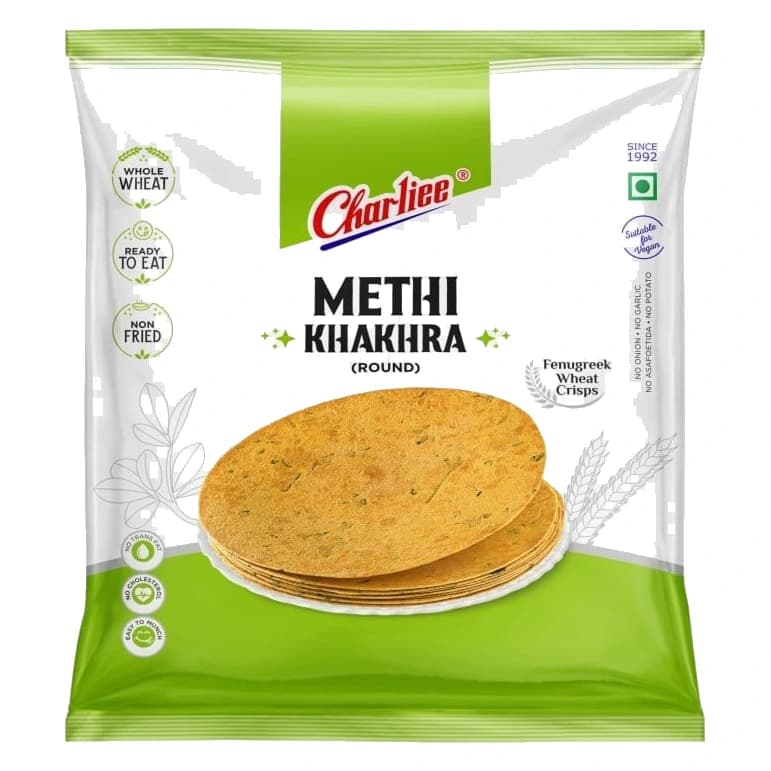
All Khakhra & Papad →- Charliee Methi Khakhra
- −Red flag: High sodium (803.5mg per 100g)
- −Red flag: High saturated fat (9.5g)
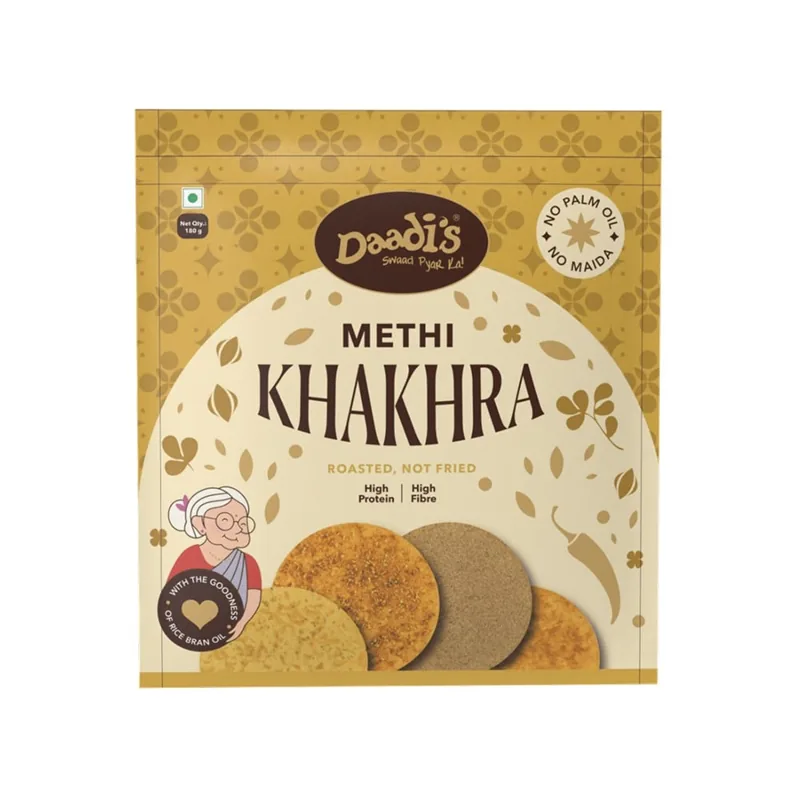
- Daadi's Methi Khakhra
- −Red flag: High sodium (761mg per 100g)
- +Green flag: High fibre (10.6g)
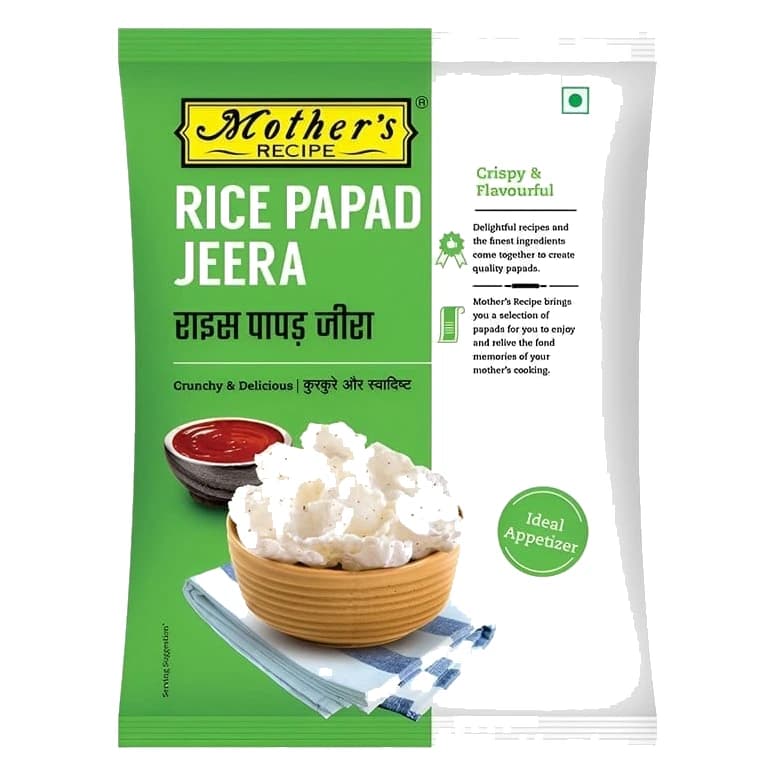
- Mother's Recipe Rice Papad - Jeera
- −Red flag: Refined flour (maida) base
- Prolicious High Protein & Fiber Thin Khakhra - Assorted Flavours
- −Red flag: High sodium (717mg per 100g)
- +Green flag: Source of protein (22.2g)