Let's Try 0% Mixed Sattu
Published · Last updated
A realistic serve of Let's Try 0% Mixed Sattu (1 serve, 10 g) has 38 kcal, 2 g protein, 5.8 g carbohydrate, 0.6 g fat, 0 g added sugar and 1 mg sodium. Per 100 g it has 380 kcal, 20 g protein, 58 g carbohydrate, 6 g fat, 0.5 g saturated fat, 0 g added sugar, 9 g fibre and 10 mg sodium.
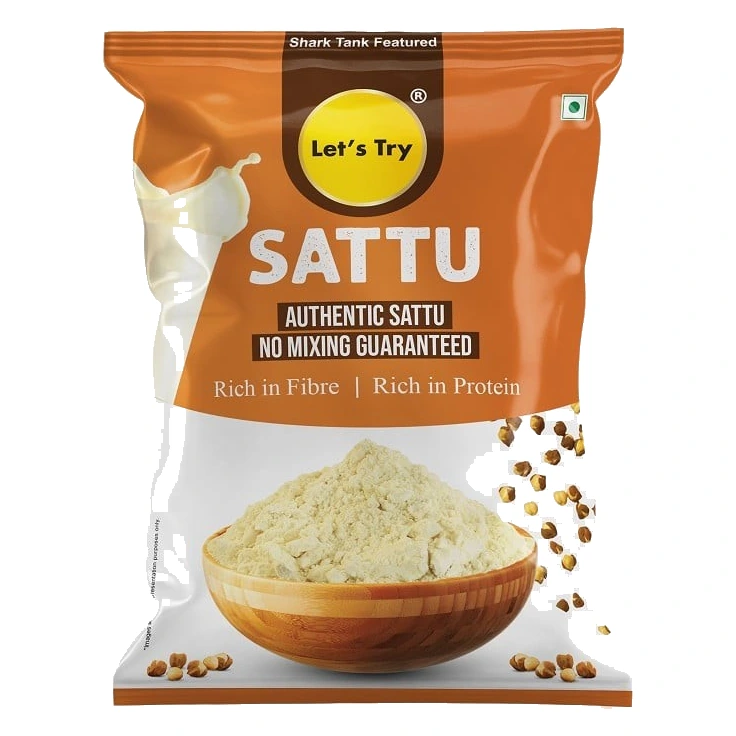
Let's Try Mixed Sattu is a ready-to-use flour made from nothing but roasted Bengal gram. It scores BA2: nutrition is held up by plenty of protein and fibre, ingredients are as simple as a label gets, and risk is low because there is no added sugar and almost no salt. A sensible everyday staple for drinks and doughs.
Ingredients, decoded
1 listed- Roasted Bengal Gram Flour
½ teaspoon of sugar in every 100 g · 2 g total sugar, 5 g a teaspoon
Score and nutrition facts for Let's Try 0% Mixed Sattu:
| Energy | 380 kcal |
|---|---|
| Protein | 20 g |
| Carbohydrates | 58 g |
| Total sugars | 2 g |
| Added sugars | 0 g |
| Dietary fibre | 9 g |
| Total fat | 6 g |
| Saturated fat | 0.5 g |
| Trans fat | 0 g |
| Cholesterol | 0 mg |
| Sodium | 10 mg |
Think this score is wrong?
Why Let's Try 0% Mixed Sattu scores BA2
Nutrition is a B on 20 g protein and 9 g fibre per 100 g. Ingredients are an A for a single plain ingredient, and risk is a 2, held up only by 380 kcal per 100 g.
Good nutrient density
- Protein
- 20 g
- Fibre
- 9 g
- Vitamins and minerals
- None declared
- Energy
- 380 kcal
01 Nutrition density: why B
Protein is 20 g per 100 g, about 21% of the calories, and fibre is 9 g. In a 10 g serve that is 2 g protein and 0.9 g fibre. All of the protein comes from the gram flour itself.
No vitamins or minerals are declared, so the grade rests on protein and fibre. Sugar is 2 g per 100 g, none of it added.
Scored on protein, fibre and twelve vitamins and minerals, against the Codex and FSSAI "source" and "high" levels, per 100 g and per 100 kcal. Protein also has to supply at least 12.5% of the calories to count, and 25% for full credit.
Clean, minimally processed
- Base
- Roasted Bengal Gram Flour
- Sweeteners
- None added
- Additives
- 0
- Flagged
- None
02 Ingredient integrity: why A
The whole list is roasted Bengal gram flour. There are no additives, no preservatives, no flavourings, no sweeteners and no added fat, so there is nothing that costs ingredient points.
No front-of-pack promise is contradicted by the list, so the label earns full marks as well.
Scored on how processed the ingredients are, which additives are used and why, and whether the label keeps its promises.
Low risk
- Added sugar
- 0 g
- Sodium
- 10 mg
- Saturated fat
- 0.5 g
- Trans fat
- 0 g
03 Load risk: why 2
The risk number comes from energy alone: 380 kcal per 100 g. Added sugar is 0 g, saturated fat is 0.5 g and sodium is 10 mg, all very low, and trans fat is 0 g.
Because a dry flour is dense in calories, the risk sits at a 2 rather than a 1. A 10 g serve is only 38 kcal.
Scored on free sugar, sodium, saturated fat and trans fat, each weighed by how strong the evidence of harm is.
Red flags
No major red flags on the label.
Green flags
- +Green flag: Source of protein (20g)
- +Green flag: High fibre (9g)
- +Green flag: No added sugar
Does Let's Try 0% Mixed Sattu live up to its claims?
The protein and fibre claims hold at 20 g and 9 g per 100 g. The 0% in the name has no basis printed, and the weight and blood sugar claims cannot be confirmed from the label.
- Product nameBe careful
“0% Mixed Sattu”
The pack does not say what the 0% refers to. Added sugar is 0 g per 100 g, which fits, but the label does not state it.
- On the packHolds
“Rich in Protein”
20 g protein per 100 g, about 21% of the calories. A 10 g serve gives 2 g.
- On the packHolds
“Rich in Fibre”
9 g fibre per 100 g, all from the gram flour. A 10 g serve gives 0.9 g.
- On the packBe careful
“Supports Weight Loss.”
The flour has no added sugar and is rich in protein and fibre, but it carries 380 kcal per 100 g. The label cannot show an effect on weight.
- On the packBe careful
“Regulates Blood Sugar.”
There is 0 g added sugar and 2 g total sugar per 100 g, but there are also 58 g carbohydrate per 100 g. The label does not show an effect on blood sugar.
What's in Let's Try 0% Mixed Sattu?
Roasted Bengal gram flour is the only ingredient. There are no additives, no sweetener and no added fat, and nothing on the list needs a warning.
1 ingredient listed. None of them is an additive or watched ingredient in our research.
The ingredient list, read for you
The list is a single line: roasted Bengal gram flour. That is ground, roasted chickpea, which supplies all the protein, fibre and starch. Despite Mixed in the name, no other grain or ingredient is listed, and no percentage is needed.
Ingredients to watch
- Energy densityWorth watching
380 kcal per 100 g, as with any dry flour. A 10 g serve is 38 kcal, but larger scoops add up.
- Health claims on the backWorth watching
Weight loss and blood sugar claims go beyond what the numbers show. Added sugar is 0 g, but carbohydrate is 58 g per 100 g.
- Single ingredientFine
Roasted Bengal gram flour only. No additives, sweetener, colour or added fat.
- Protein and fibreFine
20 g protein and 9 g fibre per 100 g, from the gram itself.
- Sodium and sugarFine
10 mg sodium and 0 g added sugar per 100 g.
What it doesn’t have
- No vitamins or minerals are declared on the panel.
What to know about Let's Try 0% Mixed Sattu
One ingredient, 20 g protein per 100 g
Let's Try 0% Mixed Sattu is a roasted gram flour sold for stirring into water or milk as a drink, or for working into doughs and fillings. The ingredient list has one line: roasted Bengal gram flour. No percentage is declared, because nothing else is in it. It suits people who want a plain, traditional protein-and-fibre flour.
Per 100 g it gives 380 kcal, 20 g protein, 9 g fibre, 2 g total sugar (0 g added), 6 g fat and 10 mg sodium. The pack prints a 10 g serve, which comes to 38 kcal, 2 g protein and 0.9 g fibre, so the numbers per spoonful are modest. The flour is dense in calories, as any dry flour is.
The pack calls it authentic sattu and rich in protein and fibre, and the label backs both up. The 0% in the name has no basis printed on the pack, and the health claims on the back go further than the numbers can show. CleanPlate scores it BA2.
Who should eat Let's Try 0% Mixed Sattu?
A sound everyday option for most adults and children, and a fit for weight management in sensible spoonfuls. People with diabetes should check with their doctor.
- Most adultsEveryday
A single-ingredient flour with 20 g protein and only 10 mg sodium per 100 g.
- ChildrenEveryday
No sweetener, dye or hydrogenated fat, and 0 g added sugar per 100 g.
- Diabetes or prediabetesCheck with your doctor
0 g added sugar, but 58 g carbohydrate per 100 g, 5.8 g in a 10 g serve.
- Weight managementEveryday
38 kcal per 10 g serve with protein and fibre, if scoops stay modest.
Recipes with Let's Try 0% Mixed Sattu
Sattu works as a salted or sweetened drink, a paratha or litti filling, or a laddu binder. Each use leans on its 20 g protein and 9 g fibre per 100 g.
Salted sattu drink
Stir a 10 g serve into cold water with salt, lemon and roasted cumin for 38 kcal and 2 g protein before anything else is added.
Sattu paratha
Mix the flour with onion, spices and a little oil as a filling, so the 9 g fibre per 100 g goes into a flatbread.
Sattu laddu
Bind the roasted flour with ghee and jaggery. The flour itself brings no added sugar, so the sweetness is yours to set.
Let's Try 0% Mixed Sattu: common questions
Is Let's Try 0% Mixed Sattu healthy?
Let's Try 0% Mixed Sattu is not high in sugar, salt or saturated fat, so it can be a regular part of your diet.
How many calories and how much protein are in Let's Try 0% Mixed Sattu?
Per 100 g, Let's Try 0% Mixed Sattu has 380 kcal, 20 g protein, 58 g carbohydrate, 6 g fat and 0.5 g saturated fat. One serve (1 serve, 10 g) has 38 kcal and 2 g protein.
What are the ingredients in Let's Try 0% Mixed Sattu?
1 ingredient, in label order: Roasted Bengal Gram Flour.
Does Let's Try 0% Mixed Sattu live up to its claims?
5 claims checked: 2 hold, 3 need care. "0% Mixed Sattu" needs care: The pack does not say what the 0% refers to. Added sugar is 0 g per 100 g, which fits, but the label does not state it. "Supports Weight Loss." needs care: The flour has no added sugar and is rich in protein and fibre, but it carries 380 kcal per 100 g. The label cannot show an effect on weight.
Who should limit Let's Try 0% Mixed Sattu?
Most adults: everyday. A single-ingredient flour with 20 g protein and only 10 mg sodium per 100 g. Children: everyday. No sweetener, dye or hydrogenated fat, and 0 g added sugar per 100 g. Diabetes or prediabetes: check with your doctor. 0 g added sugar, but 58 g carbohydrate per 100 g, 5.8 g in a 10 g serve.
How much sugar, salt and saturated fat does Let's Try 0% Mixed Sattu have?
Per 100 g, Let's Try 0% Mixed Sattu has 0 g added sugar, 10 mg sodium (about 0 g salt) and 0.5 g saturated fat. The FSSAI and UK FSA "high" lines are 10 g added sugar, 600 mg sodium and 5 g saturated fat per 100 g. It is under all three lines.
What does the BA2 score mean for Let's Try 0% Mixed Sattu?
The first letter (B) grades nutrition density on A to E, the second (A) grades ingredient integrity on A to E, and the number (2) grades load risk on 1 to 5. A and 1 are best. Nutrition: Protein is 20 g per 100 g, about 21% of the calories, and fibre is 9 g. In a 10 g serve that is 2 g protein and 0.9 g fibre. All of the protein comes from the gram flour itself. Ingredients: The whole list is roasted Bengal gram flour. There are no additives, no preservatives, no flavourings, no sweeteners and no added fat, so there is nothing that costs ingredient points. Load risk: The risk number comes from energy alone: 380 kcal per 100 g. Added sugar is 0 g, saturated fat is 0.5 g and sodium is 10 mg, all very low, and trans fat is 0 g.
Last reviewed October 31, 2026. Scored with the CleanPlate method from the published label. Spotted a mistake? .
Reference values: FSSAI labelling regulations, Codex Alimentarius, ICMR-NIN and the UK front of pack guidance. Where our label data comes from.
Label read on 31 October 2026, from photos of the pack. If the pack has changed since, tell us.
Score history (1)
| Date | Score | Method | Why |
|---|---|---|---|
| 31 October 2026 | BA2 | v5.0 | First scored |
Every change to this score is logged. See corrections and the method changelog.
Better Malt & Health Drink Mixes
All Malt & Health Drink Mixes →
More from Let's Try
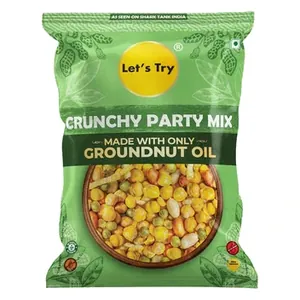
All Let's Try →- Let's Try Crunchy Party Mix
- −Red flag: High sodium (632mg per 100g)
- −Red flag: High saturated fat (7.3g)
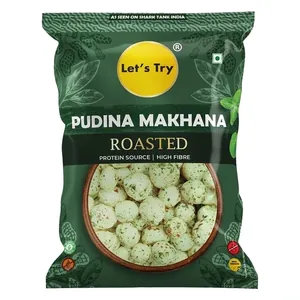
- Let's Try Pudina Flavoured Makhana
- −Red flag: High sodium (683mg per 100g)
- −Red flag: High saturated fat (10.9g)
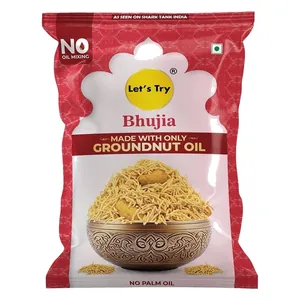
- Let's Try Bhujia
- −Red flag: High sodium (808mg per 100g)
- −Red flag: High saturated fat (11.3g)
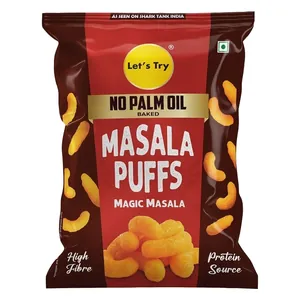
- Let's Try Masala Puffs (Magic Masala)
- −Red flag: High sodium (787mg per 100g)
- −Red flag: High saturated fat (10.3g)