Milo Powder Drink
Published · Last updated
A realistic serve of Milo Powder Drink (30 g powder, 6 teaspoons, one cup) has 16 kcal, 0.5 g protein, 2.5 g carbohydrate, 0.4 g fat, 1.2 g added sugar and 5 mg sodium. Per 100 g it has 52 kcal, 1.5 g protein, 8.4 g carbohydrate, 1.3 g fat, 0.6 g saturated fat, 3.9 g added sugar, 0.6 g fibre and 17 mg sodium.
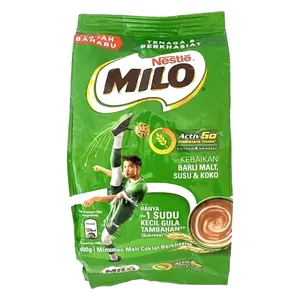
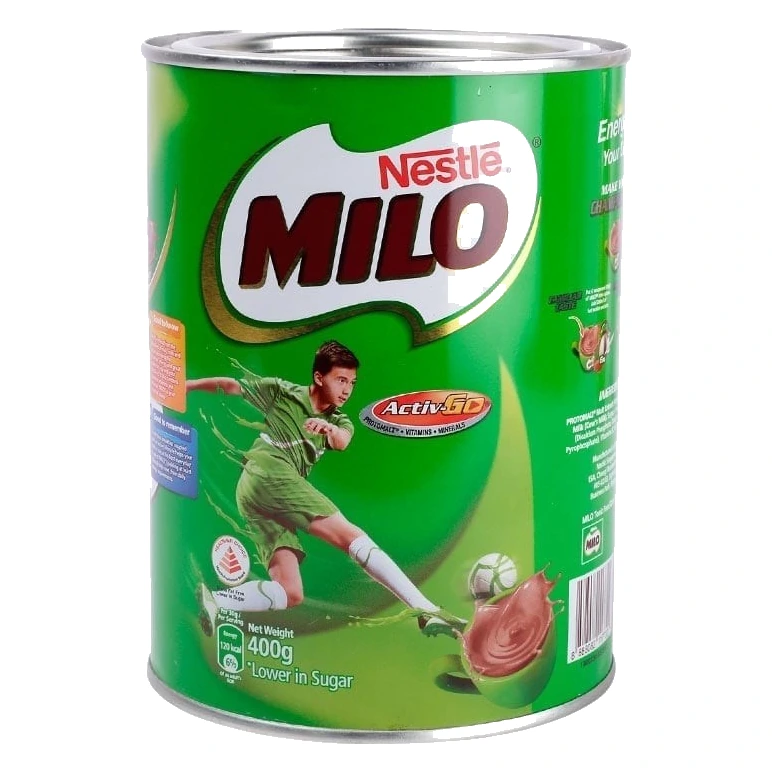
Nestlé Milo is a chocolate malt drink powder, stirred into hot water or milk and fortified with added vitamins and minerals. It scores [F]CB1: nutrition is middling and leans on that fortification, ingredients are fairly short with only the flavouring costing points, and risk is low. A reasonable cup now and then, best watched for sweetness and not treated as a protein source.
Ingredients, decoded
15 listed- PROTOMALT® Malt Extract (Contains Barley)
- Skimmed Milk (Cow's Milk)
- Sugar
- Cocoa
- Palm Oil
- Minerals
- Dicalcium Phosphate
- Disodium Phosphate
- Ferric Pyrophosphate
- Vitamins
- C
- B3
- D
- B6
- B2
- B12
- Vanillin
1 teaspoon of sugar in every 100 g · 5.9 g total sugar, 5 g a teaspoon
Score and nutrition facts for Milo Powder Drink:
| Energy | 52 kcal |
|---|---|
| Protein | 1.5 g |
| Carbohydrates | 8.4 g |
| Total sugars | 5.9 g |
| Added sugars | 3.9 g |
| Dietary fibre | 0.6 g |
| Total fat | 1.3 g |
| Saturated fat | 0.6 g |
| Trans fat | 0 g |
| Cholesterol | 1 mg |
| Sodium | 17 mg |
| Iron | 1.8 mg |
| Calcium | 78 mg |
| Niacin B3 | 2.6 mg |
| Vitamin C | 7.8 mg |
| Phosphorus | 82 mg |
| Vitamin B2 | 0.1 mg |
| Vitamin B6 | 0.2 mg |
| Vitamin D | 0.8 µg |
| Vitamin B12 | 0.4 µg |
Think this score is wrong?
Why Milo Powder Drink scores [F]CB1
Nutrition is a C because added vitamins and minerals lift a thin base of 1.5 g protein per 100 ml. Ingredients are a B, with only the flavouring costing points. Risk is a 1, mostly from sugar.
Adequate nutrient density
- Protein
- 1.5 g
- Fibre
- 0.6 g
- Vitamins and minerals
- 9 declared
- Energy
- 52 kcal
01 Nutrition density: why C
The base is thin: 1.5 g protein and 0.6 g fibre per 100 ml, and the core score earns nothing. What lifts the grade is the vitamin and mineral content, including calcium, iron, vitamin D, B2, B6, B12 and vitamin C.
Those nutrients are added, not natural. Without the fortification the grade would fall to an E, so the C depends on it. Most of the protein comes from cocoa and milk, in small amounts.
Scored on protein, fibre and twelve vitamins and minerals, against the Codex and FSSAI "source" and "high" levels, per 100 g and per 100 kcal. Protein also has to supply at least 12.5% of the calories to count, and 25% for full credit.
Good, few concerning additives
- Base
- PROTOMALT® Malt Extract
- Main fat
- Palm Oil
- Sweeteners
- Sugar
- Additives
- 0
- Flagged
- Palm oil
02 Ingredient integrity: why B
The list is fairly short and recognisable: malt extract, skimmed milk, sugar, cocoa and palm oil lead, with no hydrogenated fat, dye or sweetener. Nothing on the pack is hollow, so there is no label penalty.
Vanillin is a nature-identical or artificial flavouring, and it costs ingredient points. That is the only additive deduction.
Scored on how processed the ingredients are, which additives are used and why, and whether the label keeps its promises.
Clean
- Added sugar
- 3.9 g
- Sodium
- 17 mg
- Saturated fat
- 0.6 g
- Trans fat
- 0 g
03 Load risk: why 1
Sugar drives the risk number. Malt extract is listed, and its sugar is not in the added-sugar line, so the count is 5.6 g of free sugar per 100 ml rather than the 3.9 g declared as added.
Saturated fat (0.6 g per 100 ml) and sodium (17 mg per 100 ml) add little, and trans fat is 0 g. Energy is 52 kcal per 100 ml. The risk grade is a 1.
Scored on free sugar, sodium, saturated fat and trans fat, each weighed by how strong the evidence of harm is.
[F] Added vitamins or minerals meaningfully lift this product's nutrition grade. Without them it would score lower.
Red flags
- −Red flag: Palm oil listed
Green flags
- +Green flag: Low sodium
Does Milo Powder Drink live up to its claims?
The nutrient and calcium claims hold, since the vitamins and minerals are listed. Lower in Sugar is framed against an unnamed drink, and a serve still has 9 g added sugar.
- On the packBe careful
“Lower in Sugar”
The back says 25% less sugar than regular malted drinks, but does not name them. One serve still has 13.5 g total sugars, 9 g of them added.
- On the packHolds
“Energy to go further”
The malt extract and sugar supply carbohydrate, and a serve gives 120 kcal. It is energy from carbohydrate, not from protein.
- On the packHolds
“Packed with nutrients”
Vitamins B2, B6, D, B12 and calcium are all listed as added, with 78 mg calcium per 100 ml. They are added, not natural.
- On the packHolds
“Calcium supports strong bones”
Dicalcium phosphate is listed, and the panel shows 180 mg calcium per 30 g serve.
What's in Milo Powder Drink?
Malt extract, skimmed milk, sugar and cocoa lead the list, then palm oil, added vitamins and minerals, and vanillin. The sweetness and the flavouring are what to watch.
15 ingredients listed. Additives and watched ingredients we rate: 1 low concern.
The ingredient list, read for you
Protomalt malt extract, made from barley, leads, followed by skimmed milk, sugar and cocoa, so the flavour comes from malt, milk and chocolate with extra sweetness. Palm oil adds body. The minerals (dicalcium phosphate, disodium phosphate, ferric pyrophosphate) and vitamins C, B3, D, B6, B2 and B12 are fortification, and vanillin is the flavouring. Barley and cow's milk are the allergens named.
What the additives do
Palm oil (low concern): cheap, heat-stable frying fat. A cheap, stable frying oil that is about half saturated fat. Very common in Indian packaged snacks. More on Palm oil.
Ingredients to watch
- SugarWorth watching
5.9 g total sugar per 100 ml, and malt extract adds sugar that the added-sugar line leaves out. A 30 g serve has 9 g added sugar.
- VanillinWorth watching
A nature-identical or artificial flavouring, and the only additive that costs ingredient points.
- Grade depends on fortificationWorth watching
The vitamins and minerals are added. Without them, nutrition would be an E.
- Low proteinWorth watching
1.5 g per 100 ml and 3.4 g per serve, so it is not a protein drink.
- Sodium and fatFine
17 mg sodium and 0.6 g saturated fat per 100 ml, with no trans fat.
What it doesn’t have
- No percentages are declared for any ingredient, including cocoa and the malt extract.
- Very little fibre: 0.6 g per 100 ml.
What to know about Milo Powder Drink
A fortified malt drink with a sugar question
Milo is a malted chocolate drink powder sold in a 400 g pack. The list starts with Protomalt malt extract (made from barley), then skimmed milk, sugar, cocoa and palm oil, followed by added minerals (dicalcium phosphate, disodium phosphate, ferric pyrophosphate), vitamins C, B3, D, B6, B2 and B12, and vanillin. No percentages are declared. It is bought mostly for children and for anyone wanting a sweet, comforting cup.
The pack's serve is 30 g, six teaspoons, stirred into 200 ml of hot water. That gives 120 kcal, 3.4 g protein, 13.5 g total sugars (9 g of them added) and 39 mg sodium. Per 100 ml the drink has 52 kcal, 1.5 g protein, 5.9 g sugar and 17 mg sodium. Added vitamins and minerals include 78 mg calcium and 1.8 mg iron per 100 ml.
The front says Lower in Sugar, and the back explains it as 25% less sugar than regular malted drinks. The comparison drink is not named, and the cup is still sweet. The fortification is real and listed. CleanPlate scores it [F]CB1.
Who should eat Milo Powder Drink?
A cup suits most adults a few times a week. Children, weight management and diabetes call for a level serve, and the sugar is the deciding number at 9 g per serve.
- Most adultsA few times a week
A serve has 9 g added sugar and 120 kcal, with little protein.
- ChildrenA few times a week
Added calcium and vitamins help, but 9 g added sugar per serve adds up.
- Diabetes or prediabetesCheck with your doctor
A serve has 19.4 g carbohydrate and 13.5 g total sugars.
- Weight managementA few times a week
120 kcal per serve is modest, but it is mostly carbohydrate and sugar.
Milo Powder Drink: common questions
Is Milo Powder Drink healthy?
Milo Powder Drink is not high in sugar, salt or saturated fat, so a few servings a week is fine.
How many calories and how much protein are in Milo Powder Drink?
Per 100 g, Milo Powder Drink has 52 kcal, 1.5 g protein, 8.4 g carbohydrate, 1.3 g fat and 0.6 g saturated fat. One serve (30 g powder, 6 teaspoons, one cup) has 16 kcal and 0.5 g protein.
What are the ingredients in Milo Powder Drink?
15 ingredients, in label order: PROTOMALT® Malt Extract (Contains Barley), Skimmed Milk (Cow's Milk), Sugar, Cocoa, Palm Oil, Minerals (Dicalcium Phosphate, Disodium Phosphate, Ferric Pyrophosphate), Vitamins (C, B3, D, B6, B2, B12), Vanillin. Flagged: Palm oil (low concern).
Does Milo Powder Drink live up to its claims?
4 claims checked: 3 hold, 1 needs care. "Lower in Sugar" needs care: The back says 25% less sugar than regular malted drinks, but does not name them. One serve still has 13.5 g total sugars, 9 g of them added.
Who should limit Milo Powder Drink?
Most adults: a few times a week. A serve has 9 g added sugar and 120 kcal, with little protein. Children: a few times a week. Added calcium and vitamins help, but 9 g added sugar per serve adds up. Diabetes or prediabetes: check with your doctor. A serve has 19.4 g carbohydrate and 13.5 g total sugars.
How much sugar, salt and saturated fat does Milo Powder Drink have?
Per 100 g, Milo Powder Drink has 3.9 g added sugar, 17 mg sodium (about 0 g salt) and 0.6 g saturated fat. The FSSAI and UK FSA "high" lines are 10 g added sugar, 600 mg sodium and 5 g saturated fat per 100 g. It is under all three lines.
What does the CB1 score mean for Milo Powder Drink?
The first letter (C) grades nutrition density on A to E, the second (B) grades ingredient integrity on A to E, and the number (1) grades load risk on 1 to 5. A and 1 are best. Nutrition: The base is thin: 1.5 g protein and 0.6 g fibre per 100 ml, and the core score earns nothing. What lifts the grade is the vitamin and mineral content, including calcium, iron, vitamin D, B2, B6, B12 and vitamin C. Ingredients: The list is fairly short and recognisable: malt extract, skimmed milk, sugar, cocoa and palm oil lead, with no hydrogenated fat, dye or sweetener. Nothing on the pack is hollow, so there is no label penalty. Load risk: Sugar drives the risk number. Malt extract is listed, and its sugar is not in the added-sugar line, so the count is 5.6 g of free sugar per 100 ml rather than the 3.9 g declared as added.
Last reviewed October 31, 2026. Scored with the CleanPlate method from the published label. Spotted a mistake? .
Reference values: FSSAI labelling regulations, Codex Alimentarius, ICMR-NIN and the UK front of pack guidance. Where our label data comes from.
Label read on 31 October 2026, from photos of the pack. If the pack has changed since, tell us.
Score history (1)
| Date | Score | Method | Why |
|---|---|---|---|
| 31 October 2026 | CB1 | v5.0 | First scored |
Every change to this score is logged. See corrections and the method changelog.
Better Malt & Health Drink Mixes
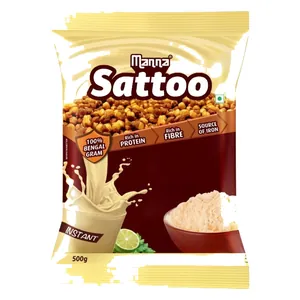
All Malt & Health Drink Mixes →- Manna Sattoo
- +Green flag: Source of protein (20g)
- +Green flag: High fibre (9g)
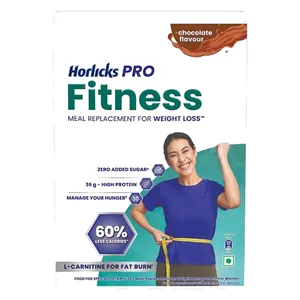
- Horlicks Chocolate Pro Fitness Drink MixFortified
- −Red flag: Contains Acesulfame Potassium
- +Green flag: High protein (36g per 100g)
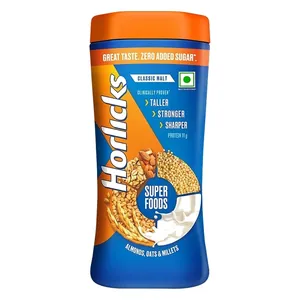
- Horlicks Classic Malt Drink Mix (No Added Sugar)Fortified
- −Red flag: High sugar (32g per 100g)
- +Green flag: High fibre (6.1g)
- Let's Try 0% Mixed Sattu
- +Green flag: Source of protein (20g)
- +Green flag: High fibre (9g)
More from Nestlé
All Nestlé →- Nestle a+ ActiPlus Dahi, Low-fat Cup Curd with Probiotics
- +Green flag: No added sugar
- +Green flag: Low sodium
- Milo Activ-Go Drink MixFortified
- −Red flag: High added sugar (19.5g per 100g)
- −Red flag: Palm oil listed
- Nestle Munch Crunchilicious CerealFortified
- −Red flag: High added sugar (21.4g per 100g)
- −Red flag: Palm oil listed
- No standout flagsNestle Nesquik Chocolate Flavour Drink MixFortified