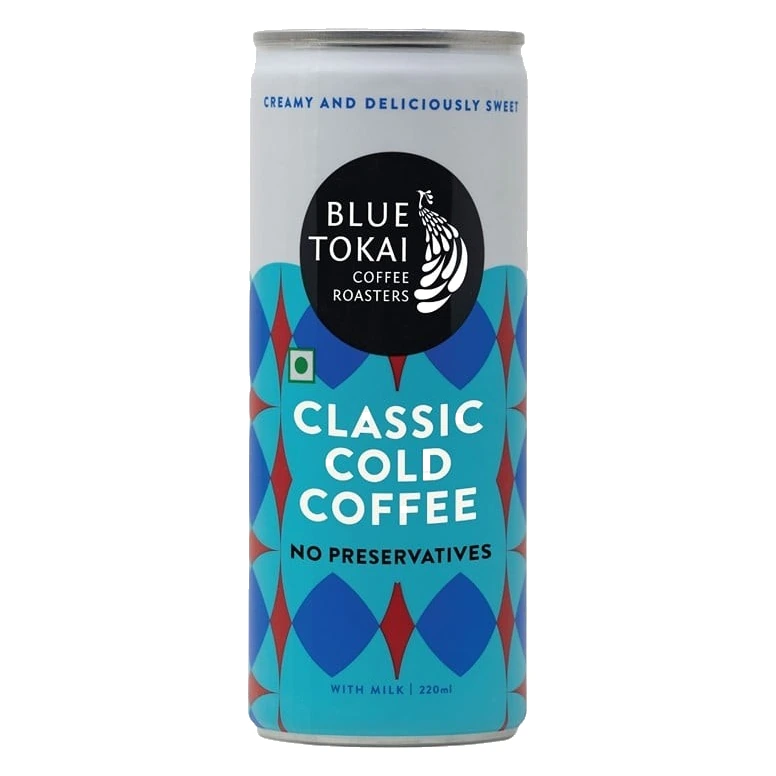
Blue Tokai Classic Cold Coffee
Published · Last updated
A realistic serve of Blue Tokai Classic Cold Coffee (1 can, 220 ml) has 167 kcal, 5.1 g protein, 19.1 g carbohydrate, 8 g fat, 11.4 g added sugar and 110 mg sodium. Per 100 ml it has 76 kcal, 2.3 g protein, 8.7 g carbohydrate, 3.6 g fat, 2.3 g saturated fat, 5.2 g added sugar and 50 mg sodium.
Blue Tokai Classic Cold Coffee is a ready-to-drink milk coffee in a can, sweetened with sugar and thickened with stabilisers. It scores [L]DB3: low on nutrition because protein is modest and little else adds to it, decent on ingredients despite carrageenan and flavouring, flagged because coffee is a tiny share, and moderate on risk from sugar and saturated fat. Best as an occasional treat.
Ingredients, decoded
9 listed- Water
- Milk
- Milk Solids
- Sugar
- Coffee Solids (1.0%)
- Acidity Regulator [INS 500(ii)]
- Stabiliser [INS 460 (i)]
- Stabilisers [INS 469, INS 407]
- Nature-Identical Flavouring Substances
1½ teaspoons of sugar in every 100 ml · 8 g total sugar, 5 g a teaspoon
Score and nutrition facts for Blue Tokai Classic Cold Coffee:
| Energy | 76.1 kcal |
|---|---|
| Protein | 2.3 g |
| Carbohydrates | 8.7 g |
| Total sugars | 8 g |
| Added sugars | 5.2 g |
| Total fat | 3.6 g |
| Saturated fat | 2.3 g |
| Trans fat | 0 g |
| Cholesterol | 16 mg |
| Sodium | 50 mg |
| Calcium | 62 mg |
Think this score is wrong?
Why Blue Tokai Classic Cold Coffee scores [L]DB3
Nutrition is a D on 2.3 g protein per 100 ml. Ingredients are a B, held back by carrageenan, flavouring and the 1% coffee. Risk is a 3, driven mostly by 5.18 g added sugar per 100 ml.
Low nutrient density
- Protein
- 2.3 g
- Fibre
- Not declared
- Vitamins and minerals
- Calcium
- Energy
- 76 kcal
01 Nutrition density: why D
Protein is 2.3 g per 100 ml, mostly from milk solids, and the drink earns no core credit. The small lift in the grade comes from calcium at 62 mg per 100 ml, which is 136 mg in a can.
No fibre or vitamin D is declared, so little else adds to the grade.
Scored on protein, fibre and twelve vitamins and minerals, against the Codex and FSSAI "source" and "high" levels, per 100 g and per 100 kcal. Protein also has to supply at least 12.5% of the calories to count, and 25% for full credit.
Good, few concerning additives
- Base
- Water
- Sweeteners
- Sugar
- Additives
- 3
- Flagged
- Carrageenan
02 Ingredient integrity: why B
The base is simple: water, milk, milk solids and sugar. Coffee solids are declared at 1.0%, below the 2% line for a named real ingredient, which costs ingredient points and sets the [L] flag.
Carrageenan (407) costs ingredient points, and so do cellulose (460) and the nature-identical flavouring. The acidity regulator (500) costs nothing.
Scored on how processed the ingredients are, which additives are used and why, and whether the label keeps its promises.
Moderate risk
- Added sugar
- 5.2 g
- Sodium
- 50 mg
- Saturated fat
- 2.3 g
- Trans fat
- 0 g
03 Load risk: why 3
Sugar is the largest part of the risk: 5.18 g added sugar per 100 ml, 11.4 g in a can. Saturated fat is next at 2.27 g per 100 ml, 5.0 g per can.
Sodium at 50 mg per 100 ml and energy at 76 kcal per 100 ml add smaller amounts. Trans fat is declared as 0 g, so it plays no part.
Scored on free sugar, sodium, saturated fat and trans fat, each weighed by how strong the evidence of harm is.
[L] The name or pack claims promise more than the ingredient list delivers. See Claims vs reality.
Red flags
- −Red flag: High added sugar (5.2g per 100ml)
- −Red flag: Contains Carrageenan
Green flags
- +Green flag: Low sodium
Does Blue Tokai Classic Cold Coffee live up to its claims?
The milk and no-preservatives claims hold, but coffee is only 1.0% of the drink, so the cold coffee name misleads. The back-panel line about no added flavours does not match the list.
- Product nameMisleading
“Classic Cold Coffee”
Coffee solids are only 1.0% of the drink, behind water, milk, milk solids and sugar. That is below the 2% line for a named real ingredient.
- On the packBe careful
“100% Indian Arabica Coffee”
This describes the coffee used, not the drink. The ingredient list shows coffee solids at 1.0% of the can.
- On the packHolds
“No Preservatives”
No preservative is listed. The acidity regulator, cellulose, carrageenan and the other stabilisers are additives, but not preservatives.
- On the packHolds
“With Milk”
Milk and milk solids are the second and third ingredients, giving 2.3 g protein and 62 mg calcium per 100 ml.
- On the packBe careful
“No added preservatives or flavours”
The no-preservatives part holds, but nature-identical flavouring substances are listed in the ingredients, so the flavours part does not match the list.
What's in Blue Tokai Classic Cold Coffee?
Water, milk, milk solids and sugar lead the list, with coffee solids at 1.0%. The stabilisers, including carrageenan, and the nature-identical flavouring are what to watch.
9 ingredients listed. Additives and watched ingredients we rate: 1 low concern. 2 more entries look like additives we have not researched yet.
The ingredient list, read for you
Water, milk, milk solids and sugar lead, so the drink is a sweetened milk base. Coffee solids come after sugar at 1.0%, the only percentage declared. The rest is an acidity regulator, stabilisers that keep the milk and coffee evenly mixed, and nature-identical flavouring.
The label numbers, read for you
The panel is printed per 220 ml can: 169.4 kcal, 5.1 g protein, 8.0 g fat of which 5.0 g saturated, 17.6 g total sugar of which 11.4 g is added, and 110 mg sodium. Added sugar and saturated fat are the two numbers that decide the risk grade.
Calcium is declared at 136.4 mg per can, which comes from the milk. No fibre or vitamin D is declared.
What the additives do
Carrageenan (low concern): thickener and stabiliser. A seaweed-derived thickener used in dairy drinks and desserts. Food-grade carrageenan is approved, but its effect on the gut is debated. More on Carrageenan.
Not in our additive research yet: Acidity Regulator [INS 500(ii)]; Stabiliser [INS 460 (i)].
Ingredients to watch
- Nature-identical flavouring substancesWorth watching
Adds a coffee and creamy taste that 1.0% coffee solids alone would not give the drink. It costs ingredient points.
- Cellulose (INS 460 (i))Worth watching
A stabiliser that keeps the milk and coffee evenly mixed in the can. It costs ingredient points.
- Carrageenan (INS 407)Fine
A seaweed-derived thickener that stops the milk proteins settling and gives the drink a creamy feel. It costs ingredient points.
What it doesn’t have
- No fibre or vitamin D is declared on the panel.
- No total is given for milk or milk solids, only for coffee solids.
What to know about Blue Tokai Classic Cold Coffee
A cold coffee where coffee is 1% of the can
A 220 ml canned cold coffee made from water, milk, milk solids and sugar, with coffee solids declared at 1.0%. A acidity regulator, three stabilisers and nature-identical flavouring finish the list. It is sold to people who want a creamy, sweet coffee they can drink straight from the fridge on the go.
One can gives 169 kcal, 5.1 g protein, 8.0 g fat and 11.4 g added sugar, with 136 mg calcium from the milk. Per 100 ml that is 76 kcal, 2.3 g protein and 5.18 g added sugar. The sweetness and the milk fat carry most of the cost, not the coffee.
The name and the back panel lean on coffee, but the list puts coffee solids at 1.0%, behind water, milk, milk solids and sugar. That small share is what sets the [L] flag. CleanPlate scores it [L]DB3.
Who should eat Blue Tokai Classic Cold Coffee?
An occasional drink for most adults, and more rarely for children or anyone avoiding lactose, since one can has 11.4 g added sugar and is milk-based.
- Most adultsA few times a week
11.4 g added sugar and 5.0 g saturated fat in one can.
- ChildrenOccasionally
11.4 g added sugar per can, plus coffee and stabilisers.
- Heart healthOccasionally
5.0 g saturated fat per can, from milk fat.
- Lactose intoleranceRarely
Milk and milk solids are the base of the drink.
Blue Tokai Classic Cold Coffee: common questions
Is Blue Tokai Classic Cold Coffee healthy?
Blue Tokai Classic Cold Coffee is high in sugar, so a few servings a week is fine.
How many calories and how much protein are in Blue Tokai Classic Cold Coffee?
Per 100 ml, Blue Tokai Classic Cold Coffee has 76 kcal, 2.3 g protein, 8.7 g carbohydrate, 3.6 g fat and 2.3 g saturated fat. One serve (1 can, 220 ml) has 167 kcal and 5.1 g protein.
What are the ingredients in Blue Tokai Classic Cold Coffee?
9 ingredients, in label order: Water, Milk, Milk Solids, Sugar, Coffee Solids (1.0%), Acidity Regulator [INS 500(ii)], Stabiliser [INS 460 (i)], Stabilisers [INS 469, INS 407], Nature-Identical Flavouring Substances. Flagged: Carrageenan (low concern).
Does Blue Tokai Classic Cold Coffee live up to its claims?
5 claims checked: 2 hold, 2 need care, 1 is misleading. "Classic Cold Coffee" is misleading: Coffee solids are only 1.0% of the drink, behind water, milk, milk solids and sugar. That is below the 2% line for a named real ingredient. "100% Indian Arabica Coffee" needs care: This describes the coffee used, not the drink. The ingredient list shows coffee solids at 1.0% of the can.
Who should limit Blue Tokai Classic Cold Coffee?
Most adults: a few times a week. 11.4 g added sugar and 5.0 g saturated fat in one can. Children: occasionally. 11.4 g added sugar per can, plus coffee and stabilisers. Heart health: occasionally. 5.0 g saturated fat per can, from milk fat.
How much sugar, salt and saturated fat does Blue Tokai Classic Cold Coffee have?
Per 100 ml, Blue Tokai Classic Cold Coffee has 5.2 g added sugar, 50 mg sodium (about 0.1 g salt) and 2.3 g saturated fat. The FSSAI and UK FSA "high" lines are 5 g added sugar, 300 mg sodium and 2.5 g saturated fat per 100 ml. It is high in sugar.
What does the DB3 score mean for Blue Tokai Classic Cold Coffee?
The first letter (D) grades nutrition density on A to E, the second (B) grades ingredient integrity on A to E, and the number (3) grades load risk on 1 to 5. A and 1 are best. Nutrition: Protein is 2.3 g per 100 ml, mostly from milk solids, and the drink earns no core credit. The small lift in the grade comes from calcium at 62 mg per 100 ml, which is 136 mg in a can. Ingredients: The base is simple: water, milk, milk solids and sugar. Coffee solids are declared at 1.0%, below the 2% line for a named real ingredient, which costs ingredient points and sets the [L] flag. Load risk: Sugar is the largest part of the risk: 5.18 g added sugar per 100 ml, 11.4 g in a can. Saturated fat is next at 2.27 g per 100 ml, 5.0 g per can.
Last reviewed November 3, 2026. Scored with the CleanPlate method from the published label. Spotted a mistake? .
Reference values: FSSAI labelling regulations, Codex Alimentarius, ICMR-NIN and the UK front of pack guidance. Where our label data comes from.
Label read on 3 November 2026, from photos of the pack. If the pack has changed since, tell us.
Score history (1)
| Date | Score | Method | Why |
|---|---|---|---|
| 3 November 2026 | DB3 | v5.0 | First scored |
Every change to this score is logged. See corrections and the method changelog.
Better Dairy Beverages
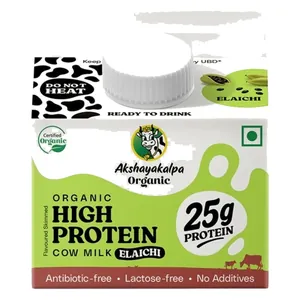
All Dairy Beverages →- Akshayakalpa Organic High Protein Cow Milk (Elaichi)
- +Green flag: High protein (10g per 100ml)
- +Green flag: No added sugar
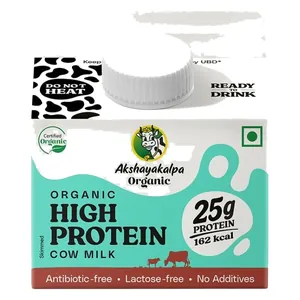
- Akshayakalpa Organic High Protein Milk
- +Green flag: High protein (10g per 100ml)
- +Green flag: No added sugar
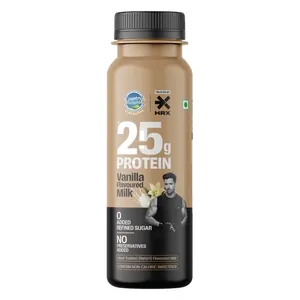
- Country Delight 25 g High Protein Vanilla Milk
- +Green flag: High protein (10g per 100ml)
- +Green flag: No added sugar
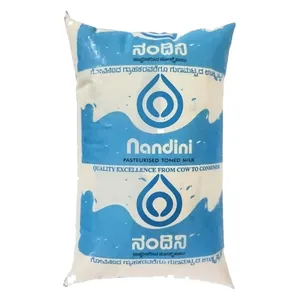
- Nandini Toned MilkFortified
- +Green flag: Source of protein (3.3g)
- +Green flag: No added sugar