KLF Coconad 100 % Edible Coconut Oil
Published · Last updated
A realistic serve of KLF Coconad 100 % Edible Coconut Oil (10 g, about 3 tsp) has 90 kcal, 0 g protein, 0 g carbohydrate, 10 g fat, 0 g added sugar and 0 mg sodium. Per 100 g it has 900 kcal, 0 g protein, 0 g carbohydrate, 99.9 g fat, 91.7 g saturated fat, 0 g added sugar, 0 g fibre and 0 mg sodium.
KLF Coconad Edible Coconut Oil is a plain coconut cooking oil with one added antioxidant. It scores EC5: nutrition is at the bottom because oil carries fat and energy but no protein, fibre or vitamins, ingredients are decent apart from the TBHQ, and risk is at the top because nearly all the fat is saturated. Use it by the spoonful, not the ladle.
Ingredients, decoded
2 listed- Coconut oil
- Antioxidant (INS 319)
0 teaspoon of sugar in every 100 g · 0 g total sugar, 5 g a teaspoon
Score and nutrition facts for KLF Coconad 100 % Edible Coconut Oil:
| Energy | 900 kcal |
|---|---|
| Protein | 0 g |
| Carbohydrates | 0 g |
| Total sugars | 0 g |
| Added sugars | 0 g |
| Dietary fibre | 0 g |
| Total fat | 99.9 g |
| Saturated fat | 91.7 g |
| Trans fat | 0 g |
| Cholesterol | 0 mg |
| Sodium | 0 mg |
Think this score is wrong?
Why KLF Coconad 100 % Edible Coconut Oil scores EC5
Nutrition is an E because the oil has no protein, fibre or vitamins. Ingredients are a C, with one antioxidant costing points. Risk is a 5 on 91.7 g saturated fat per 100 g.
Very low nutrient density
- Protein
- 0 g
- Fibre
- 0 g
- Vitamins and minerals
- None declared
- Energy
- 900 kcal
01 Nutrition density: why E
No protein contributor is present, so protein earns nothing, and fibre is 0 g per 100 g. The oil is 99.9 g fat and 900 kcal per 100 g, with 6.6 g monounsaturated and 1.6 g polyunsaturated fat declared.
No vitamins or minerals are declared, so nothing lifts the grade above the bottom.
Scored on protein, fibre and twelve vitamins and minerals, against the Codex and FSSAI "source" and "high" levels, per 100 g and per 100 kcal. Protein also has to supply at least 12.5% of the calories to count, and 25% for full credit.
Mixed processing and additives
- Base
- Coconut oil
- Main fat
- Coconut oil
- Sweeteners
- None added
- Additives
- 1
- Flagged
- TBHQ
02 Ingredient integrity: why C
The list is two items: coconut oil and an antioxidant. That is a clean base, and no hydrogenated fat is listed, so the declared 0 g trans fat is accepted.
TBHQ (INS 319) costs ingredient points. No percentages are declared, but the label itself makes no hollow promise, so there is no [L] flag.
Scored on how processed the ingredients are, which additives are used and why, and whether the label keeps its promises.
Very high risk
- Added sugar
- 0 g
- Sodium
- 0 mg
- Saturated fat
- 91.7 g
- Trans fat
- 0 g
03 Load risk: why 5
Saturated fat drives the risk number: 91.7 g per 100 g, more than eighteen times the 5 g high line. Energy at 900 kcal per 100 g adds the rest.
Sugar is 0 g and trans fat is 0 g, so they play no part. Sodium is printed only as 0% of the daily value, with no mg figure, and adds nothing.
Scored on free sugar, sodium, saturated fat and trans fat, each weighed by how strong the evidence of harm is.
Red flags
- −Red flag: High saturated fat (91.7g)
- −Red flag: Contains TBHQ
Green flags
- +Green flag: No added sugar
- +Green flag: Low sodium
Does KLF Coconad 100 % Edible Coconut Oil live up to its claims?
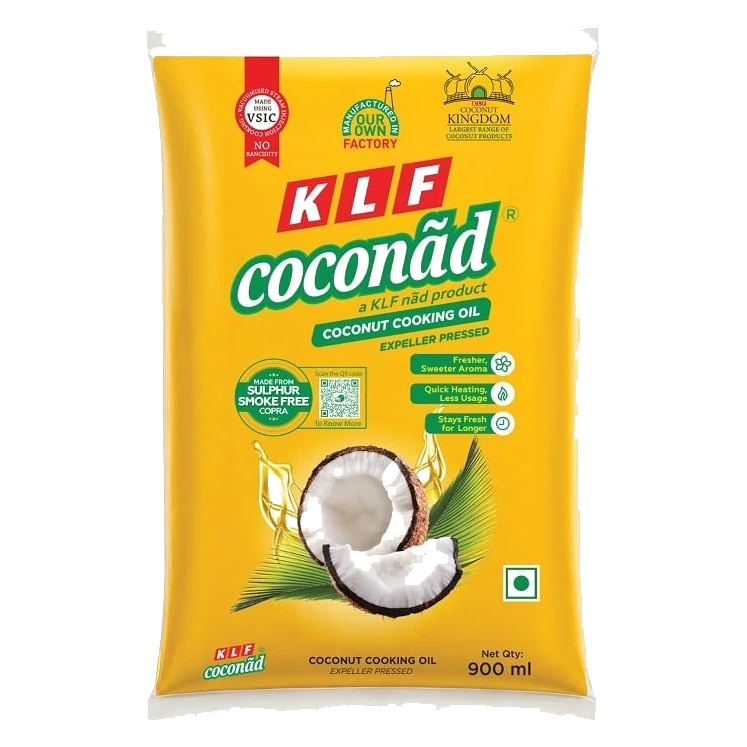
The name is true to the base oil, but the list also has an antioxidant. The sourcing and freshness promises cannot be checked on the panel, and the pack prints two servings-per-pack figures.
- Product nameBe careful
“100 % Edible Coconut Oil”
The base is coconut oil, but the list also has an antioxidant (INS 319, TBHQ), so the oil is not the only ingredient.
- On the packBe careful
“No Rancidity”
A keeping-quality promise that the panel cannot test. The TBHQ in the list is the antioxidant that slows the oil going rancid.
- On the packBe careful
“Made from Sulphur Smoke Free Copra”
A sourcing claim about how the copra is dried. It does not change the panel, which shows 91.7 g saturated fat per 100 g.
- On the packBe careful
“Expeller Pressed”
This describes how the oil is pressed and cannot be read from the panel. The oil is still 99.9 g fat and 900 kcal per 100 g.
- On the packBe careful
“About 91 servings per pack”
One back-of-pack panel prints about 91 servings and another about 82. At 10 g a serve, 821 g works out to about 82.
What's in KLF Coconad 100 % Edible Coconut Oil?
Coconut oil and one antioxidant, TBHQ, make up the list. The saturated fat, 91.7 g per 100 g, is the number to watch.
2 ingredients listed. Additives and watched ingredients we rate: 1 low concern.
The ingredient list, read for you
Coconut oil leads, and it is nearly the whole product. The only other item is an antioxidant, INS 319 (TBHQ), added to slow the oil going rancid. No percentages are declared.
The label numbers, read for you
Saturated fat decides the score: 91.7 g per 100 g, about 9.2 g in the 10 g serve (roughly 3 teaspoons). Energy is 900 kcal per 100 g, so a serve is 90 kcal. Of the 99.9 g fat, 6.6 g is monounsaturated and 1.6 g polyunsaturated.
Protein, fibre, sugar, added sugar, trans fat and cholesterol are all 0 g. No vitamins or minerals are declared, and sodium is printed only as 0% of the daily value, with no mg figure.
What the additives do
TBHQ (low concern): stops oils going rancid. A synthetic antioxidant that stops oils from going rancid. Permitted within limits, but common in heavily processed, oil-rich foods. More on TBHQ.
Ingredients to watch
- Antioxidant (INS 319, TBHQ)Fine
Slows the oil going rancid, which is why it sits in a product meant to stay on the shelf for months. It costs ingredient points.
What it doesn’t have
- No vitamins or minerals are declared on the panel.
- No amount is given for the antioxidant, and no sodium value in mg.
What to know about KLF Coconad 100 % Edible Coconut Oil
A one-oil product that is almost all saturated fat
KLF Coconad Edible Coconut Oil is a cooking oil sold in a 900 ml pack (821 g). The list is short: coconut oil and an antioxidant (INS 319, TBHQ). No percentages are declared. It is bought as an everyday cooking oil, mainly by cooks who want a coconut flavour and aroma in their food.
What you get is energy and fat and nothing else: 900 kcal and 99.9 g fat per 100 g, with 0 g protein, fibre, sugar and trans fat. What it costs is saturated fat, 91.7 g per 100 g. The pack serve is 10 g, about 3 teaspoons, which is 90 kcal and about 9.2 g saturated fat.
The name is accurate about the base, but the list also carries an antioxidant, and front-of-pack promises such as no rancidity and sulphur-smoke-free copra are about sourcing and keeping quality rather than the nutrition panel. CleanPlate scores it EC5.
Who should eat KLF Coconad 100 % Edible Coconut Oil?
Rarely for most adults and for the groups below. A 10 g serve has about 9.2 g saturated fat and 90 kcal.
- Most adultsRarely
91.7 g saturated fat per 100 g, about 9.2 g in one 10 g serve.
- ChildrenRarely
No protein, fibre or vitamins, and a serve is mostly saturated fat.
- Diabetes or prediabetesRarely
No sugar or carbohydrate, but the saturated fat is 91.7 g per 100 g.
- Weight managementRarely
90 kcal in a 10 g serve, about 30 kcal per teaspoon.
Recipes with KLF Coconad 100 % Edible Coconut Oil
Use it in small measures where coconut flavour matters. A teaspoon is about 30 kcal and 3 g saturated fat, so the amount is what you control.
Dal tadka
Temper mustard seeds and curry leaves in one teaspoon, about 30 kcal, rather than a spoonful of oil.
Vegetable poriyal
Use a thin film of oil in the pan, since a 10 g serve already carries about 9.2 g saturated fat.
Shallow-fried fish or tofu
Measure the oil out before it goes in the pan, because each teaspoon is about 3 g saturated fat.
KLF Coconad 100 % Edible Coconut Oil: common questions
Is KLF Coconad 100 % Edible Coconut Oil healthy?
KLF Coconad 100 % Edible Coconut Oil is high in saturated fat and calories, so it is best kept as a rare treat.
How many calories and how much protein are in KLF Coconad 100 % Edible Coconut Oil?
Per 100 g, KLF Coconad 100 % Edible Coconut Oil has 900 kcal, 0 g protein, 0 g carbohydrate, 99.9 g fat and 91.7 g saturated fat. One serve (10 g, about 3 tsp) has 90 kcal and 0 g protein.
What are the ingredients in KLF Coconad 100 % Edible Coconut Oil?
2 ingredients, in label order: Coconut oil, Antioxidant (INS 319). Flagged: TBHQ (low concern).
Does KLF Coconad 100 % Edible Coconut Oil live up to its claims?
5 claims checked: 5 need care. "100 % Edible Coconut Oil" needs care: The base is coconut oil, but the list also has an antioxidant (INS 319, TBHQ), so the oil is not the only ingredient. "No Rancidity" needs care: A keeping-quality promise that the panel cannot test. The TBHQ in the list is the antioxidant that slows the oil going rancid.
Who should limit KLF Coconad 100 % Edible Coconut Oil?
Most adults: rarely. 91.7 g saturated fat per 100 g, about 9.2 g in one 10 g serve. Children: rarely. No protein, fibre or vitamins, and a serve is mostly saturated fat. Diabetes or prediabetes: rarely. No sugar or carbohydrate, but the saturated fat is 91.7 g per 100 g.
How much sugar, salt and saturated fat does KLF Coconad 100 % Edible Coconut Oil have?
Per 100 g, KLF Coconad 100 % Edible Coconut Oil has 0 g added sugar, 0 mg sodium (about 0 g salt) and 91.7 g saturated fat. The FSSAI and UK FSA "high" lines are 10 g added sugar, 600 mg sodium and 5 g saturated fat per 100 g. It is high in saturated fat.
What does the EC5 score mean for KLF Coconad 100 % Edible Coconut Oil?
The first letter (E) grades nutrition density on A to E, the second (C) grades ingredient integrity on A to E, and the number (5) grades load risk on 1 to 5. A and 1 are best. Nutrition: No protein contributor is present, so protein earns nothing, and fibre is 0 g per 100 g. The oil is 99.9 g fat and 900 kcal per 100 g, with 6.6 g monounsaturated and 1.6 g polyunsaturated fat declared. Ingredients: The list is two items: coconut oil and an antioxidant. That is a clean base, and no hydrogenated fat is listed, so the declared 0 g trans fat is accepted. Load risk: Saturated fat drives the risk number: 91.7 g per 100 g, more than eighteen times the 5 g high line. Energy at 900 kcal per 100 g adds the rest.
Last reviewed November 3, 2026. Scored with the CleanPlate method from the published label. Spotted a mistake? .
Reference values: FSSAI labelling regulations, Codex Alimentarius, ICMR-NIN and the UK front of pack guidance. Where our label data comes from.
Label read on 3 November 2026, from photos of the pack. If the pack has changed since, tell us.
Score history (1)
| Date | Score | Method | Why |
|---|---|---|---|
| 3 November 2026 | EC5 | v5.0 | First scored |
Every change to this score is logged. See corrections and the method changelog.
Better Cooking Oils
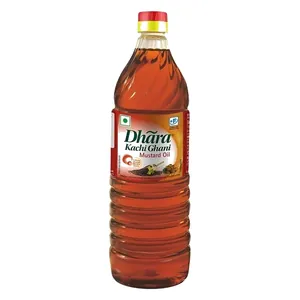
All Cooking Oils →- Dhara Kachi Ghani Mustard OilFortified
- −Red flag: High saturated fat (5.7g)
- +Green flag: No added sugar
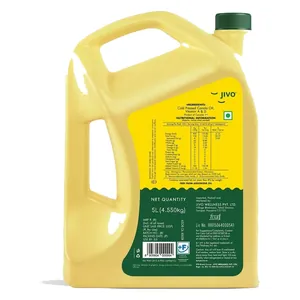
- Jivo Cold Pressed Canola Oil
- −Red flag: High saturated fat (8g)
- +Green flag: No added sugar
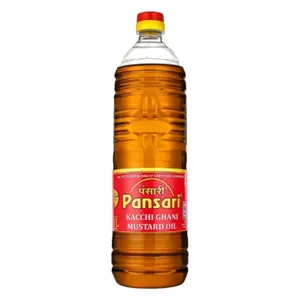
- Pansari Kacchi Ghani Mustard OilFortified
- −Red flag: High saturated fat (12g)
- +Green flag: No added sugar
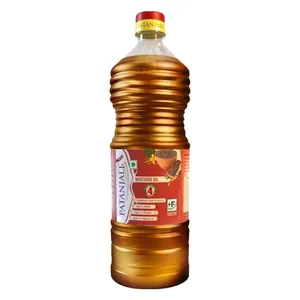
- Patanjali Mustard Oil Kachi Ghani (Cold Pressed)Fortified
- −Red flag: High saturated fat (5.5g)
- +Green flag: No added sugar