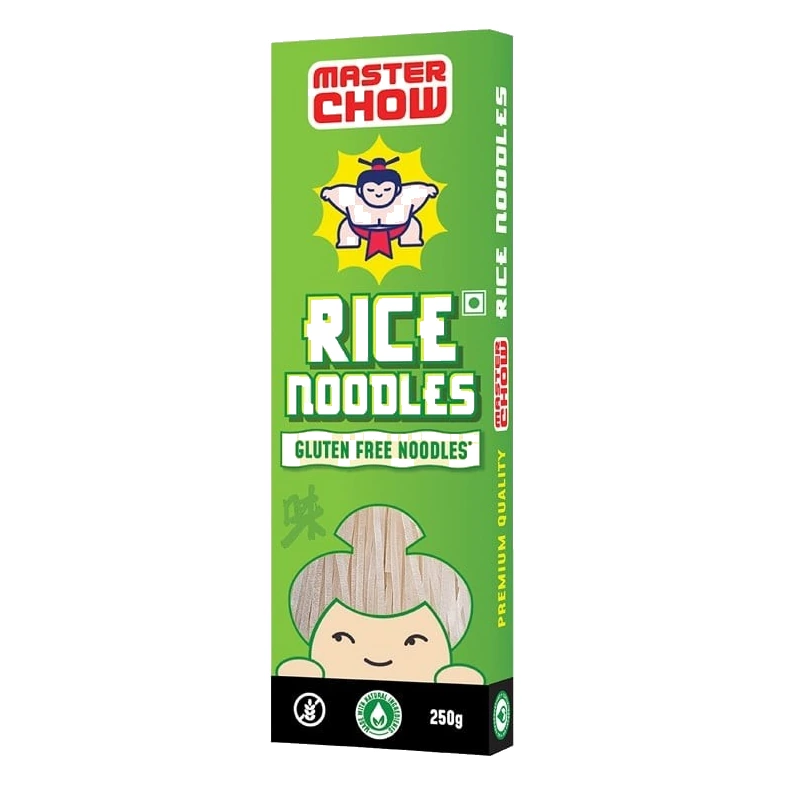
MasterChow Thai Rice Noodles
Published · Last updated
A realistic serve of MasterChow Thai Rice Noodles (50 g dry, about a fifth of the pack) has 174 kcal, 3.5 g protein, 38.5 g carbohydrate, 0.5 g fat, 0 g added sugar and 6 mg sodium. Per 100 g it has 347 kcal, 6.9 g protein, 77 g carbohydrate, 1 g fat, 0.5 g saturated fat, 0 g added sugar, 1.4 g fibre and 12 mg sodium.
MasterChow Thai Rice Noodles are gluten-free noodles made from a single ingredient, rice flour, meant for stir-fries, soups and salads. It scores EB2: nutrition is low because the noodles are mostly starch with little protein or fibre, ingredients are simple with no additives, and risk is low with almost no salt, sugar or saturated fat. Use it as a base, with vegetables and protein added.
Ingredients, decoded
1 listed- Rice flour
½ teaspoon of sugar in every 100 g · 1.8 g total sugar, 5 g a teaspoon
Score and nutrition facts for MasterChow Thai Rice Noodles:
| Energy | 347.4 kcal |
|---|---|
| Protein | 6.9 g |
| Carbohydrates | 77 g |
| Total sugars | 1.8 g |
| Added sugars | 0 g |
| Dietary fibre | 1.4 g |
| Total fat | 1 g |
| Saturated fat | 0.5 g |
| Trans fat | 0 g |
| Cholesterol | 0 mg |
| Sodium | 12 mg |
Think this score is wrong?
Why MasterChow Thai Rice Noodles scores EB2
Nutrition is an E because 6.9 g protein and 1.4 g fibre per 100 g earn no credit and no vitamins are declared. Ingredients are a B, and risk is a 2, set by the 347 kcal energy.
Very low nutrient density
- Protein
- 6.9 g
- Fibre
- 1.4 g
- Vitamins and minerals
- None declared
- Energy
- 347 kcal
01 Nutrition density: why E
Protein is 6.9 g per 100 g, and all of it comes from rice flour, a lower-quality source, so it earns no credit. Fibre is 1.4 g per 100 g, which is low.
No vitamins or minerals are declared, so nothing else adds to the grade. The noodles are mostly carbohydrate, at 77 g per 100 g.
Scored on protein, fibre and twelve vitamins and minerals, against the Codex and FSSAI "source" and "high" levels, per 100 g and per 100 kcal. Protein also has to supply at least 12.5% of the calories to count, and 25% for full credit.
Good, few concerning additives
- Base
- Rice flour
- Sweeteners
- None added
- Additives
- 0
- Flagged
- None
02 Ingredient integrity: why B
The list is a single ingredient, rice flour. There are no additives, no colours, no preservatives and no label-integrity problems, so nothing costs ingredient points.
The grade stops at a B because the whole list is one milled flour rather than a varied or whole-grain mix.
Scored on how processed the ingredients are, which additives are used and why, and whether the label keeps its promises.
Low risk
- Added sugar
- 0 g
- Sodium
- 12 mg
- Saturated fat
- 0.5 g
- Trans fat
- 0 g
03 Load risk: why 2
Sodium (12 mg per 100 g), saturated fat (0.5 g) and sugar (0 g free sugar) all sit very low. Trans fat is 0 g.
Energy sets the risk number: 347 kcal per 100 g puts the risk grade at 2. One 50 g dry serve is 174 kcal.
Scored on free sugar, sodium, saturated fat and trans fat, each weighed by how strong the evidence of harm is.
Red flags
No major red flags on the label.
Green flags
- +Green flag: No added sugar
- +Green flag: Low sodium
- +Green flag: No additives
Does MasterChow Thai Rice Noodles live up to its claims?
The gluten-free, low-fat and zero trans fat claims all hold against the panel. Fat is 1.0 g per 100 g and rice flour is the only ingredient.
- On the packHolds
“Gluten Free Noodles”
The only ingredient is rice flour, and the pack also states the food is 100% natural and gluten free.
- On the packHolds
“Low in fat”
Fat is 1.0 g per 100 g, about 0.5 g in a 50 g serve.
- Retail listingHolds
“Zero trans fat”
Trans fat is declared as 0 g, and no hydrogenated fat is in the ingredient list.
- On the packBe careful
“Total sugars”
The retailer page shows 1.8 g total sugars per 100 g, while one pack panel prints 2 g. The gap is tiny, and added sugar is 0 g either way.
What's in MasterChow Thai Rice Noodles?
Rice flour is the only ingredient, with no additives, preservatives or flavours. The numbers to know are the 347 kcal and 77 g carbohydrate per 100 g.
1 ingredient listed. None of them is an additive or watched ingredient in our research.
The ingredient list, read for you
The ingredient list is one item: rice flour. It is the noodle itself, so no percentage is printed. There are no additives, preservatives, flavours or colours.
The label numbers, read for you
The panel is printed for the dry noodles. Per 100 g that is 347 kcal and 77 g carbohydrate, and a 50 g serve gives about 174 kcal and 38.5 g carbohydrate. Protein is 6.9 g per 100 g, or about 3.5 g a serve.
Fibre is low at 1.4 g per 100 g. Sodium is 12 mg, saturated fat 0.5 g, and added sugar 0 g, so the noodles add almost no salt or sugar of their own. No vitamins or minerals are declared.
What it doesn’t have
- No vitamins or minerals are declared on the panel.
- Fibre and protein are both low, so the noodles need vegetables and a protein source alongside.
What to know about MasterChow Thai Rice Noodles
One-ingredient noodles that are almost all starch
MasterChow Thai Rice Noodles are thin, air-dried noodles made in Thailand, sold in a 250 g pack. The ingredient list has one item, rice flour, so no percentage is printed. They are bought for quick stir-fries, noodle soups, pan-fried dishes and salads, and by people who need or prefer gluten-free noodles.
Per 100 g of dry noodles you get 347 kcal, 77 g carbohydrate, 6.9 g protein, 1.4 g fibre and 1.0 g fat. Sodium is 12 mg and added sugar is 0 g. The pack counts a serve as 50 g dry, about a fifth of the pack, which gives 174 kcal and 3.5 g protein.
The name matches the contents: the list is rice flour and nothing else. The gluten-free and low-fat statements both agree with the panel, and no hollow promise sits on the front. CleanPlate scores it EB2.
Who should eat MasterChow Thai Rice Noodles?
Fine a few times a week for most adults, since sodium is only 12 mg per 100 g. People watching blood sugar should keep portions small, as a serve has about 38.5 g carbohydrate.
- Most adultsA few times a week
174 kcal per 50 g dry serve, with almost no salt, sugar or saturated fat.
- ChildrenA few times a week
No additives, but only 3.5 g protein per serve, so pair with protein and vegetables.
- Diabetes or prediabetesOccasionally
About 38.5 g carbohydrate per 50 g serve, with only 1.4 g fibre per 100 g.
- Active peopleA few times a week
Useful carbohydrate fuel, but protein is just 3.5 g per serve, so add more.
Recipes with MasterChow Thai Rice Noodles
Stir-fry, soup, pan-fried noodles and salad all work. Each 50 g serve has only 3.5 g protein, so add egg, tofu, meat or pulses.
Quick vegetable stir-fry
Soak the noodles for 30 to 45 minutes, then toss with vegetables in a hot pan; the noodles bring only 12 mg sodium per 100 g, so the sauce sets the salt.
Soupy noodle bowl
Add soaked noodles to a hot broth with greens and egg or tofu to lift the 3.5 g protein in a 50 g serve.
Pan-fried noodles with egg
Fry the noodles with a little oil, vegetables and a beaten egg, which adds protein the noodles lack.
Cold noodle salad
Toss soaked noodles with raw vegetables, herbs and lime to add the fibre that the noodles have little of, at 1.4 g per 100 g.
MasterChow Thai Rice Noodles: common questions
Is MasterChow Thai Rice Noodles healthy?
MasterChow Thai Rice Noodles is not high in sugar, salt or saturated fat, so a few servings a week is fine.
How many calories and how much protein are in MasterChow Thai Rice Noodles?
Per 100 g, MasterChow Thai Rice Noodles has 347 kcal, 6.9 g protein, 77 g carbohydrate, 1 g fat and 0.5 g saturated fat. One serve (50 g dry, about a fifth of the pack) has 174 kcal and 3.5 g protein.
What are the ingredients in MasterChow Thai Rice Noodles?
1 ingredient, in label order: Rice flour.
Does MasterChow Thai Rice Noodles live up to its claims?
4 claims checked: 3 hold, 1 needs care. "Total sugars" needs care: The retailer page shows 1.8 g total sugars per 100 g, while one pack panel prints 2 g. The gap is tiny, and added sugar is 0 g either way.
Who should limit MasterChow Thai Rice Noodles?
Most adults: a few times a week. 174 kcal per 50 g dry serve, with almost no salt, sugar or saturated fat. Children: a few times a week. No additives, but only 3.5 g protein per serve, so pair with protein and vegetables. Diabetes or prediabetes: occasionally. About 38.5 g carbohydrate per 50 g serve, with only 1.4 g fibre per 100 g.
How much sugar, salt and saturated fat does MasterChow Thai Rice Noodles have?
Per 100 g, MasterChow Thai Rice Noodles has 0 g added sugar, 12 mg sodium (about 0 g salt) and 0.5 g saturated fat. The FSSAI and UK FSA "high" lines are 10 g added sugar, 600 mg sodium and 5 g saturated fat per 100 g. It is under all three lines.
What does the EB2 score mean for MasterChow Thai Rice Noodles?
The first letter (E) grades nutrition density on A to E, the second (B) grades ingredient integrity on A to E, and the number (2) grades load risk on 1 to 5. A and 1 are best. Nutrition: Protein is 6.9 g per 100 g, and all of it comes from rice flour, a lower-quality source, so it earns no credit. Fibre is 1.4 g per 100 g, which is low. Ingredients: The list is a single ingredient, rice flour. There are no additives, no colours, no preservatives and no label-integrity problems, so nothing costs ingredient points. Load risk: Sodium (12 mg per 100 g), saturated fat (0.5 g) and sugar (0 g free sugar) all sit very low. Trans fat is 0 g.
Last reviewed November 3, 2026. Scored with the CleanPlate method from the published label. Spotted a mistake? .
Reference values: FSSAI labelling regulations, Codex Alimentarius, ICMR-NIN and the UK front of pack guidance. Where our label data comes from.
Label read on 3 November 2026, from photos of the pack. If the pack has changed since, tell us.
Score history (1)
| Date | Score | Method | Why |
|---|---|---|---|
| 3 November 2026 | EB2 | v5.0 | First scored |
Every change to this score is logged. See corrections and the method changelog.
Better Pasta
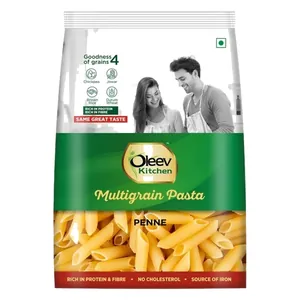
All Pasta →- Oleev Kitchen Multigrain Pasta Penne
- +Green flag: Source of protein (15g)
- +Green flag: High fibre (10g)
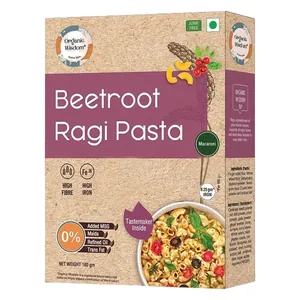
- Organic Wisdom Beetroot Ragi Macaroni Pasta
- +Green flag: Source of protein (11.8g)
- +Green flag: High fibre (12.4g)
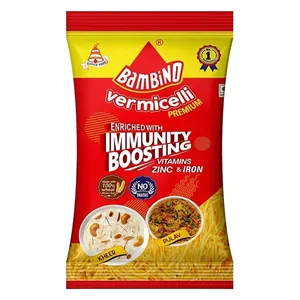
- Bambino Premium Regular VermicelliFortified
- +Green flag: Low sodium
- +Green flag: No additives
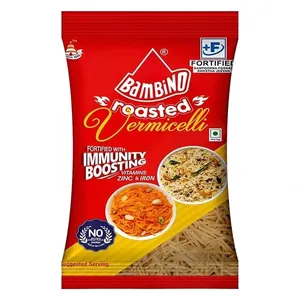
- Bambino Roasted VermicelliFortified
- +Green flag: Low sodium
- +Green flag: No additives
More from MasterChow
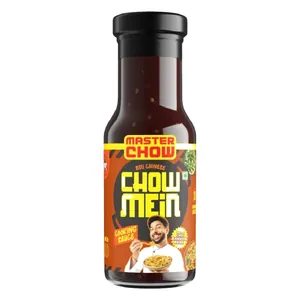
All MasterChow →- MasterChow Chowmein Sauce
- −Red flag: High sodium (4486mg per 100g)
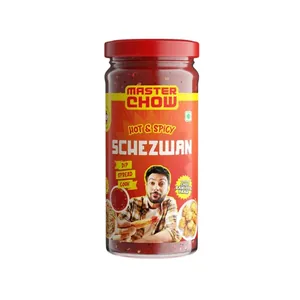
- MasterChow Schezwan Hot & Spicy Chutney
- −Red flag: High added sugar (11.2g per 100g)
- −Red flag: High sodium (2256mg per 100g)
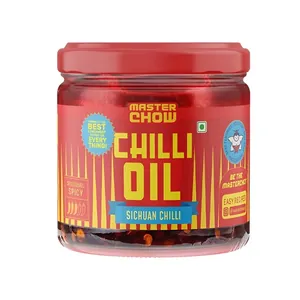
- MasterChow Sichuan Chilli Oil
- −Red flag: High sodium (970mg per 100g)
- −Red flag: Contains trans fat (1g)
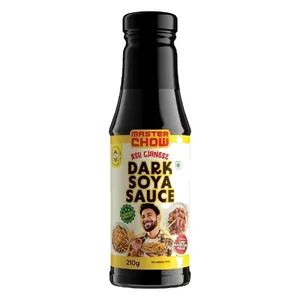
- MasterChow Dark Soya Sauce
- −Red flag: High added sugar (18.5g per 100g)
- −Red flag: High sodium (4800mg per 100g)