Nescafe Cafe Style Iced Cappuccino Cold Coffee
Published · Last updated
A realistic serve of Nescafe Cafe Style Iced Cappuccino Cold Coffee (1 can, 170 ml) has 97 kcal, 3.2 g protein, 16.1 g carbohydrate, 2.2 g fat, 12.4 g added sugar and 133 mg sodium. Per 100 ml it has 57 kcal, 1.9 g protein, 9.5 g carbohydrate, 1.3 g fat, 1 g saturated fat, 7.3 g added sugar and 78 mg sodium.
Nescafe Cafe Style Iced Cappuccino is a ready-to-drink, milk-based iced coffee in a single can. It scores EB3: low on nutrition because it offers little beyond milk protein and sugar, ingredients hold up fairly well despite several stabilisers and flavouring, and risk is moderate because of the added sugar. Best as an occasional treat, not a daily coffee.
Ingredients, decoded
11 listed- Toned milk
- Milk solids
- Water
- Sugar
- Coffee
- Nature-Identical (Cappuccino) flavouring substances
- Stabilizers (460(i) & 466)
- Acidity regulators (500(ii) & 332(ii))
- Thickener (415)
- Emulsifier (322(i))
- Iodized salt
1½ teaspoons of sugar in every 100 ml · 7.6 g total sugar, 5 g a teaspoon
Score and nutrition facts for Nescafe Cafe Style Iced Cappuccino Cold Coffee:
| Energy | 57 kcal |
|---|---|
| Protein | 1.9 g |
| Carbohydrates | 9.5 g |
| Total sugars | 7.6 g |
| Added sugars | 7.3 g |
| Total fat | 1.3 g |
| Saturated fat | 1 g |
| Cholesterol | 4.1 mg |
| Sodium | 78.3 mg |
Think this score is wrong?
Why Nescafe Cafe Style Iced Cappuccino Cold Coffee scores EB3
Nutrition is an E because the drink has 1.9 g protein per 100 ml and no fibre or declared vitamins. Ingredients are a B despite several additives, and risk is a 3, mostly from 7.3 g added sugar per 100 ml.
Very low nutrient density
- Protein
- 1.9 g
- Fibre
- Not declared
- Vitamins and minerals
- None declared
- Energy
- 57 kcal
01 Nutrition density: why E
Protein is 1.9 g per 100 ml, mostly from the toned milk, and there is no fibre. With 57 kcal per 100 ml and no vitamins or minerals declared, there is nothing to lift the grade.
In a 170 ml can that is about 3.2 g protein for about 97 kcal, with 12.4 g of it as added sugar.
Scored on protein, fibre and twelve vitamins and minerals, against the Codex and FSSAI "source" and "high" levels, per 100 g and per 100 kcal. Protein also has to supply at least 12.5% of the calories to count, and 25% for full credit.
Good, few concerning additives
- Base
- Toned milk
- Sweeteners
- Sugar
- Additives
- 6
- Flagged
- None
02 Ingredient integrity: why B
The list starts with real dairy: toned milk at 40%, then milk solids, water and sugar. Coffee follows at 0.7%, so it is a small part of a drink named for coffee, which costs a small label point.
Several additives cost ingredient points. Carboxymethyl cellulose (466) costs the most, followed by cellulose (460(i)), xanthan gum (415), the nature-identical flavouring and lecithin (322(i)). The acidity regulators 500(ii) and 332(ii) cost nothing. No hydrogenated fat is listed.
Scored on how processed the ingredients are, which additives are used and why, and whether the label keeps its promises.
Moderate risk
- Added sugar
- 7.3 g
- Sodium
- 78.3 mg
- Saturated fat
- 1 g
03 Load risk: why 3
Added sugar is the main driver: 7.3 g per 100 ml, or 12.4 g in one can. It accounts for most of the risk number, which lands on a 3.
Saturated fat (1.0 g per 100 ml, 1.7 g per can), sodium (78.3 mg per 100 ml, 133 mg per can) and energy add only a little. No trans fat line is printed.
Scored on free sugar, sodium, saturated fat and trans fat, each weighed by how strong the evidence of harm is.
Red flags
- −Red flag: High added sugar (7.3g per 100ml)
Green flags
- +Green flag: Low sodium
Does Nescafe Cafe Style Iced Cappuccino Cold Coffee live up to its claims?
The dairy base is real at 40% toned milk, but coffee is only 0.7% and the cappuccino taste is helped by flavouring. The pack's own sugar figure is 25% of the day's added sugar per can.
- Product namePartly true
“Cold Coffee”
Coffee is real but small, at 0.7% of the drink. Toned milk at 40% and sugar both come well ahead of it.
- Product namePartly true
“Iced Cappuccino flavour”
The name says flavour, which is honest, and the list shows nature-identical cappuccino flavouring alongside the 0.7% coffee.
- On the packHolds
“Dairy Based Beverage”
Toned milk is 40%, with milk solids also listed, so milk is the base of the drink.
- On the packHolds
“25% added sugar per serve”
One can has 12.4 g added sugar, which matches the pack's 25% of the daily reference.
- Retail listingBe careful
“Total sugars 7.7 g per 100 ml”
The retailer page shows total sugars of 7.7 g per 100 ml, the pack shows 7.6 g. The difference is small and the added sugar is 7.3 g either way.
What's in Nescafe Cafe Style Iced Cappuccino Cold Coffee?
Toned milk, milk solids, water and sugar lead the list, with coffee well down at 0.7%. The added sugar and the stabiliser blend are what to watch.
11 ingredients listed. None of them is an additive or watched ingredient in our research. 4 more entries look like additives we have not researched yet.
The ingredient list, read for you
Toned milk (40%), milk solids, water and sugar come first, so the drink is mostly milk with added sugar. Coffee (0.7%) and nature-identical cappuccino flavouring give the taste.
Stabilisers 460(i) and 466, thickener 415 and emulsifier 322(i) give the thick, frothy texture, and acidity regulators 500(ii) and 332(ii) keep it stable. Iodized salt is last, and the pack says it contains milk and soy.
Not in our additive research yet: Stabilizers (460(i) & 466); Acidity regulators (500(ii) & 332(ii)); Thickener (415); Emulsifier (322(i)).
Ingredients to watch
- Added sugarConcern
7.3 g per 100 ml, 12.4 g in one can. This is the main driver of the risk number.
- Carboxymethyl cellulose (466)Worth watching
A stabiliser that costs the most ingredient points of the additives here. Cellulose 460(i), xanthan gum 415 and the nature-identical flavouring cost smaller amounts.
- Small coffee shareWorth watching
Coffee is 0.7% of the drink, so the coffee in the name is mostly taste and aroma, helped by flavouring.
- Milk baseFine
Toned milk at 40% supplies 1.9 g protein per 100 ml, about 3.2 g per can.
- Saturated fat and sodiumFine
1.0 g saturated fat and 78.3 mg sodium per 100 ml, about 1.7 g and 133 mg per can.
What it doesn’t have
- No fibre, vitamins or minerals are declared on the panel.
- The amount of milk solids is not given, only the toned milk.
What to know about Nescafe Cafe Style Iced Cappuccino Cold Coffee
A 97 kcal iced coffee with 0.7% coffee
A 170 ml single-serve can of dairy-based iced coffee. It is built from toned milk (40%), milk solids, water and sugar, with coffee (0.7%), nature-identical cappuccino flavouring and a set of stabilisers, acidity regulators, a thickener and an emulsifier. It is bought as a cold, creamy, on-the-go drink that needs no preparation.
Per 100 ml it has 57 kcal, 1.9 g protein, 7.3 g added sugar, 1.0 g saturated fat and 78.3 mg sodium. In the whole can that is about 97 kcal, 3.2 g protein, 12.4 g added sugar, 1.7 g saturated fat and 133 mg sodium. Sugar is the largest part of what the can costs you.
The name and front promise an iced cappuccino and a dairy-based beverage, and the milk base is real at 40%. Coffee itself is a small part of the list at 0.7%, with the cappuccino taste helped by nature-identical flavouring. CleanPlate scores it EB3.
Who should eat Nescafe Cafe Style Iced Cappuccino Cold Coffee?
An occasional drink for most adults, and more occasional still for children, heart health and anyone avoiding lactose.
- Most adultsA few times a week
12.4 g added sugar per can is about a quarter of the day's limit.
- ChildrenOccasionally
Added sugar plus coffee and flavouring in a small can.
- Heart healthOccasionally
Low in saturated fat at 1.7 g per can, but the added sugar is high.
- Lactose intoleranceRarely
Toned milk and milk solids carry lactose, and no lactose-free claim is made.
Nescafe Cafe Style Iced Cappuccino Cold Coffee: common questions
Is Nescafe Cafe Style Iced Cappuccino Cold Coffee healthy?
Nescafe Cafe Style Iced Cappuccino Cold Coffee is high in sugar, so a few servings a week is fine.
How many calories and how much protein are in Nescafe Cafe Style Iced Cappuccino Cold Coffee?
Per 100 ml, Nescafe Cafe Style Iced Cappuccino Cold Coffee has 57 kcal, 1.9 g protein, 9.5 g carbohydrate, 1.3 g fat and 1 g saturated fat. One serve (1 can, 170 ml) has 97 kcal and 3.2 g protein.
What are the ingredients in Nescafe Cafe Style Iced Cappuccino Cold Coffee?
11 ingredients, in label order: Toned milk, Milk solids, Water, Sugar, Coffee, Nature-Identical (Cappuccino) flavouring substances, Stabilizers (460(i) & 466), Acidity regulators (500(ii) & 332(ii)), Thickener (415), Emulsifier (322(i)), Iodized salt.
Does Nescafe Cafe Style Iced Cappuccino Cold Coffee live up to its claims?
5 claims checked: 2 hold, 2 are partly true, 1 needs care. "Cold Coffee" is partly true: Coffee is real but small, at 0.7% of the drink. Toned milk at 40% and sugar both come well ahead of it. "Iced Cappuccino flavour" is partly true: The name says flavour, which is honest, and the list shows nature-identical cappuccino flavouring alongside the 0.7% coffee.
Who should limit Nescafe Cafe Style Iced Cappuccino Cold Coffee?
Most adults: a few times a week. 12.4 g added sugar per can is about a quarter of the day's limit. Children: occasionally. Added sugar plus coffee and flavouring in a small can. Heart health: occasionally. Low in saturated fat at 1.7 g per can, but the added sugar is high.
How much sugar, salt and saturated fat does Nescafe Cafe Style Iced Cappuccino Cold Coffee have?
Per 100 ml, Nescafe Cafe Style Iced Cappuccino Cold Coffee has 7.3 g added sugar, 78 mg sodium (about 0.2 g salt) and 1 g saturated fat. The FSSAI and UK FSA "high" lines are 5 g added sugar, 300 mg sodium and 2.5 g saturated fat per 100 ml. It is high in sugar.
What does the EB3 score mean for Nescafe Cafe Style Iced Cappuccino Cold Coffee?
The first letter (E) grades nutrition density on A to E, the second (B) grades ingredient integrity on A to E, and the number (3) grades load risk on 1 to 5. A and 1 are best. Nutrition: Protein is 1.9 g per 100 ml, mostly from the toned milk, and there is no fibre. With 57 kcal per 100 ml and no vitamins or minerals declared, there is nothing to lift the grade. Ingredients: The list starts with real dairy: toned milk at 40%, then milk solids, water and sugar. Coffee follows at 0.7%, so it is a small part of a drink named for coffee, which costs a small label point. Load risk: Added sugar is the main driver: 7.3 g per 100 ml, or 12.4 g in one can. It accounts for most of the risk number, which lands on a 3.
Last reviewed October 31, 2026. Scored with the CleanPlate method from the published label. Spotted a mistake? .
Reference values: FSSAI labelling regulations, Codex Alimentarius, ICMR-NIN and the UK front of pack guidance. Where our label data comes from.
Label read on 31 October 2026, from photos of the pack. If the pack has changed since, tell us.
Score history (1)
| Date | Score | Method | Why |
|---|---|---|---|
| 31 October 2026 | EB3 | v5.0 | First scored |
Every change to this score is logged. See corrections and the method changelog.
Better Dairy Beverages
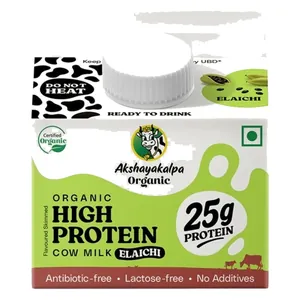
All Dairy Beverages →- Akshayakalpa Organic High Protein Cow Milk (Elaichi)
- +Green flag: High protein (10g per 100ml)
- +Green flag: No added sugar
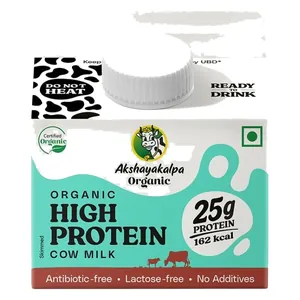
- Akshayakalpa Organic High Protein Milk
- +Green flag: High protein (10g per 100ml)
- +Green flag: No added sugar
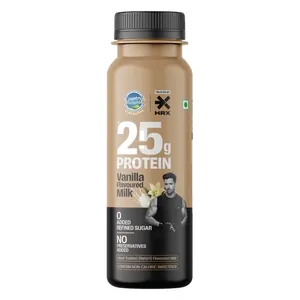
- Country Delight 25 g High Protein Vanilla Milk
- +Green flag: High protein (10g per 100ml)
- +Green flag: No added sugar
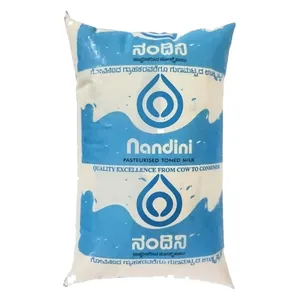
- Nandini Toned MilkFortified
- +Green flag: Source of protein (3.3g)
- +Green flag: No added sugar
More from Nescafe
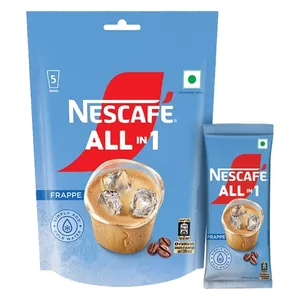
All Nescafe →- Nescafe All in 1 Frappe Instant Cold Coffee Premix
- −Red flag: High added sugar (36.4g per 100g)
- +Green flag: Source of protein (15.3g)
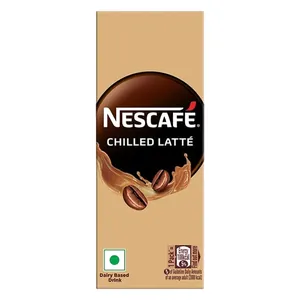
- Nescafe Chilled Latte Ready to Drink Cold Coffee
- −Red flag: High added sugar (6.9g per 100ml)
- +Green flag: Low sodium
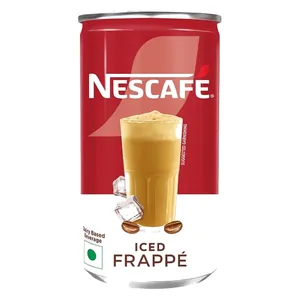
- Nescafe Cafe Style Cold Coffee, Iced Frappe
- +Green flag: Low sodium
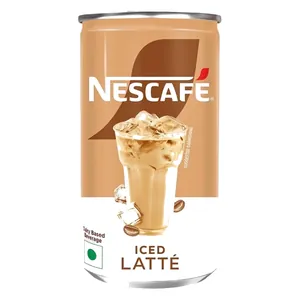
- Nescafe Cafe Style Iced Latte
- −Red flag: High added sugar (6.5g per 100ml)
- −Red flag: Contains Carrageenan