Motichur Laddoo
Published · Updated
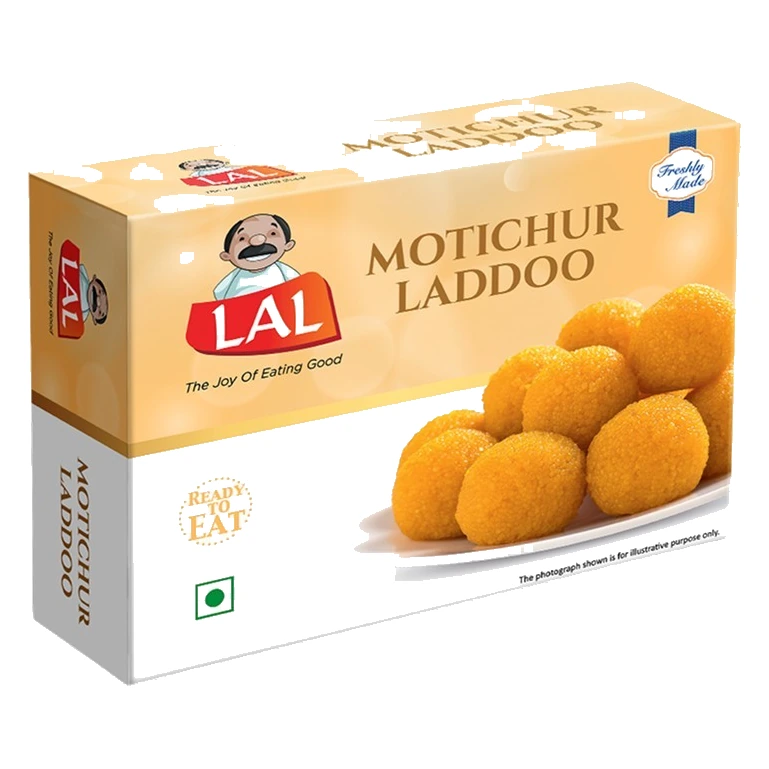
Lal Motichur Laddoo is a ready-to-eat Indian sweet made with gram flour, sugar and oil, coloured with synthetic dyes. It scores EB3: lowest on nutrition because it is mostly sugar, with almost no protein, ingredients lose points for dyes and hydrogenated oil, and risk is middling on sugar and saturated fat. Keep it for festivals and occasional treats.
Ingredients, decoded
10 listed- Sugar
- Water
- Bengal Gram Flour
- Edible Vegetable Oil (Palmolein)
- Partially Hydrogenated Vegetable Oil
- Refined Wheat Flour
- Liquid Glucose
- *Colours (INS 110, INS 102)
- Preservatives (INS 202, INS 200)
- Emulsifier (INS 471)
8½ teaspoons of sugar in every 100 g · 42 g total sugar, 5 g a teaspoon
| Energy | 383 kcal |
|---|---|
| Protein | 1 g |
| Carbohydrates | 50 g |
| Total sugars | 42 g |
| Added sugars | 15 g |
| Total fat | 8 g |
| Saturated fat | 4.7 g |
| Trans fat | 0 g |
| Sodium | 13 mg |
Think this score is wrong?
What to know about Motichur Laddoo
A gram-flour sweet with two dyes and hydrogenated oil
Lal Motichur Laddoo is a ready-to-eat Indian sweet sold in a 200 g pack of six pieces. The list starts with sugar and water, then Bengal gram flour, palmolein oil, partially hydrogenated vegetable oil, refined wheat flour and liquid glucose. Two synthetic colours, two preservatives and an emulsifier finish it. It is bought for festivals, gifting and the nostalgic taste of a motichur laddoo. No percentages are declared for any ingredient.
Per 100 g it has 383 kcal, 1.0 g protein, 8.0 g fat and 42 g total sugars, of which 15 g is declared as added sugar. One 33 g laddoo is about 126 kcal, with 0.3 g protein, 1.6 g saturated fat and about 5 g added sugar. Sodium is very low at 13 mg per 100 g.
The name and the pack promise a traditional gram-flour sweet, and Bengal gram flour is in the list, but it sits behind sugar and water. The pack also states that it contains added synthetic colours, which the list confirms. CleanPlate scores it EB3.
Why Motichur Laddoo scores EB3
Nutrition is an E because protein is only 1.0 g per 100 g and nothing else adds credit. Ingredients are a B despite two dyes and hydrogenated oil, and risk is a 3, driven mostly by sugar.
Very low nutrient density
- Protein
- 1 g
- Fibre
- Not declared
- Vitamins and minerals
- None declared
- Energy
- 383 kcal
01 Nutrition density: why E
Protein is 1.0 g per 100 g, so one 33 g laddoo gives just 0.3 g. No fibre credit, vitamins or minerals are declared, so nothing lifts the grade.
Energy is 383 kcal per 100 g, about 126 kcal per laddoo, and it comes mainly from sugar and oil.
Scored on protein, fibre and twelve vitamins and minerals, against the Codex and FSSAI "source" and "high" levels, per 100 g and per 100 kcal. Protein also has to supply at least 12.5% of the calories to count, and 25% for full credit.
Good, few concerning additives
- Base
- Sugar
- Main fat
- Edible Vegetable Oil
- Sweeteners
- Sugar, Liquid Glucose
- Additives
- 3
- Flagged
- 4 ingredients
02 Ingredient integrity: why B
Sugar and water lead the list, with Bengal gram flour third, palmolein, refined wheat flour and liquid glucose after it. No percentages are declared for any of them.
Partially hydrogenated vegetable oil costs ingredient points. Trans fat is declared as 0 g, but with this oil in the list that figure is not accepted at face value.
Tartrazine (102), sunset yellow (110) and the emulsifier (471) each cost ingredient points. The two preservatives, sorbic acid (200) and potassium sorbate (202), cost none. The grade still lands on a B because the base is simple and no label promise is hollow.
Scored on how processed the ingredients are, which additives are used and why, and whether the label keeps its promises.
Moderate risk
- Added sugar
- 15 g
- Sodium
- 13 mg
- Saturated fat
- 4.7 g
- Trans fat
- 0 g
03 Load risk: why 3
Sugar is the largest part of the risk number, with free sugar at 15 g per 100 g from the declared added sugar. Saturated fat follows at 4.7 g per 100 g, just under the 5 g high line.
Energy adds a smaller share. Sodium is 13 mg per 100 g and trans fat is declared as 0 g, so neither moves the grade. One laddoo has about 5 g added sugar and 1.6 g saturated fat.
Scored on free sugar, sodium, saturated fat and trans fat, each weighed by how strong the evidence of harm is.
Red flags
- −Red flag: Contains Sunset Yellow FCF
- −Red flag: Contains Tartrazine
- −Red flag: Contains Hydrogenated Vegetable Oil
- −Red flag: High added sugar (15g per 100g)
Green flags
- +Green flag: Low sodium
Does Motichur Laddoo live up to its claims?
The dye statement holds, but the pulses-based and quality wording is thin: gram flour sits behind sugar and water with no percentage. A retailer page also shows different fat figures from the pack.
- On the packBe careful
“Pulses Based Sweets”
Bengal gram flour is in the list but behind sugar and water, with no percentage declared. Per 100 g, protein is only 1.0 g.
- On the packHolds
“Contains Added Permitted Synthetic Food Colour(s)”
The list shows two colours, sunset yellow (110) and tartrazine (102). The statement is accurate, and both colours cost ingredient points.
- Retail listingBe careful
“Crafted with high-quality ingredients”
The list includes partially hydrogenated vegetable oil, two synthetic dyes and an emulsifier. These are common in packaged sweets, but they sit oddly with the wording.
- Retail listingBe careful
“Fat 15 g, saturated fat 7 g per 100 g”
The retailer page shows 15 g total fat and 7 g saturated fat per 100 g, the pack shows 8.0 g and 4.7 g. The pack figures are used.
What's in Motichur Laddoo?
Sugar and water lead, then gram flour and oils. Watch the partially hydrogenated oil and the two synthetic dyes, tartrazine and sunset yellow.
The ingredient list, read for you
Sugar and water come first, so the laddoo is a sugar-syrup sweet with Bengal gram flour, palmolein oil and a partially hydrogenated oil as the body. Refined wheat flour and liquid glucose add bulk and sweetness. Two synthetic colours (110 and 102) give the yellow-orange look, two sorbate preservatives (202 and 200) extend shelf life, and the emulsifier (471) holds the oil and water together. No ingredient carries a declared percentage.
Ingredients to watch
- Partially hydrogenated vegetable oilConcern
Listed after the palmolein. Trans fat is declared as 0 g, but this oil costs ingredient points and the declared figure is not taken at face value.
- Synthetic dyes (tartrazine 102, sunset yellow 110)Concern
Both dyes are in the list and each costs ingredient points. They matter most for children.
- SugarWorth watching
42 g total sugars per 100 g, of which 15 g is declared as added. One laddoo has about 14 g total sugars and 5 g added.
- Saturated fatWorth watching
4.7 g per 100 g, just under the 5 g high line. One laddoo has 1.6 g.
- SodiumFine
13 mg per 100 g, which is very low.
What it doesn’t have
- No percentages are given for Bengal gram flour or any other ingredient.
- No vitamins or minerals are declared on the panel.
Who should eat Motichur Laddoo?
An occasional treat for most adults. Children, and anyone watching blood sugar, should have it rarely, since 100 g has 42 g total sugars and the colours include tartrazine.
- Most adultsOccasionally
One laddoo is about 126 kcal with 5 g added sugar, and little protein.
- ChildrenRarely
Two synthetic dyes, including tartrazine, and a partially hydrogenated oil.
- Diabetes or prediabetesRarely
42 g total sugars per 100 g, about 14 g in one laddoo.
- Weight managementOccasionally
383 kcal per 100 g with almost no protein to fill you up.
Motichur Laddoo: common questions
What is the CleanPlate score of Motichur Laddoo?
Lal Motichur Laddoo is a ready-to-eat Indian sweet made with gram flour, sugar and oil, coloured with synthetic dyes. It scores EB3: lowest on nutrition because it is mostly sugar, with almost no protein, ingredients lose points for dyes and hydrogenated oil, and risk is middling on sugar and saturated fat. Keep it for festivals and occasional treats. Nutrition E, ingredients B, load risk 3; nutrition and ingredients run A to E, risk runs 1 to 5, and A and 1 are best.
How many calories and how much protein are in Motichur Laddoo?
Per 100 g, Motichur Laddoo has 383 kcal, 1 g protein, 50 g carbohydrate, 8 g fat and 4.7 g saturated fat. One serve (1 laddoo, 33 g) has 126 kcal and 0.3 g protein.
What are the ingredients in Motichur Laddoo?
10 ingredients, in label order: Sugar, Water, Bengal Gram Flour, Edible Vegetable Oil (Palmolein), Partially Hydrogenated Vegetable Oil, Refined Wheat Flour, Liquid Glucose, *Colours (INS 110, INS 102), Preservatives (INS 202, INS 200), Emulsifier (INS 471). Flagged: Palmolein (low concern), Partially Hydrogenated Oil (high concern), Refined Wheat Flour (Maida) (low concern), Tartrazine (moderate concern).
Does Motichur Laddoo live up to its claims?
4 claims checked: 1 holds, 3 need care. "Pulses Based Sweets" needs care: Bengal gram flour is in the list but behind sugar and water, with no percentage declared. Per 100 g, protein is only 1.0 g. "Crafted with high-quality ingredients" needs care: The list includes partially hydrogenated vegetable oil, two synthetic dyes and an emulsifier. These are common in packaged sweets, but they sit oddly with the wording.
Who should limit Motichur Laddoo?
Most adults: occasionally. One laddoo is about 126 kcal with 5 g added sugar, and little protein. Children: rarely. Two synthetic dyes, including tartrazine, and a partially hydrogenated oil. Diabetes or prediabetes: rarely. 42 g total sugars per 100 g, about 14 g in one laddoo.
How much sugar, salt and saturated fat does Motichur Laddoo have?
Per 100 g, Motichur Laddoo has 15 g added sugar, 13 mg sodium (about 0 g salt) and 4.7 g saturated fat. The FSSAI and UK FSA "high" lines are 10 g added sugar, 600 mg sodium and 5 g saturated fat per 100 g. It is high in sugar.
Last reviewed October 31, 2026. Scored with the CleanPlate method from the published label. Spotted a mistake? .
Label read on 31 October 2026, from photos of the pack. If the pack has changed since, tell us.
Score history (1)
| Date | Score | Method | Why |
|---|---|---|---|
| 31 October 2026 | EB3 | v5.0 | First scored |
Every change to this score is logged. See corrections and the method changelog.
Better Indian Sweets
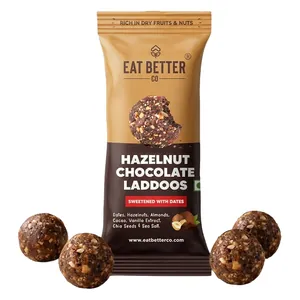
All Indian Sweets →- Hazelnut Chocolate Laddoos
- −Red flag: High sugar (32.2g per 100g)
- +Green flag: High fibre (9.3g)
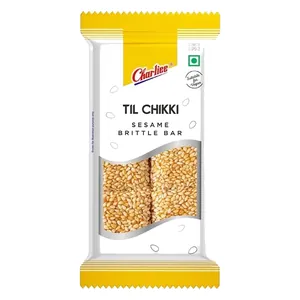
- Til Chikki by Charliee
- −Red flag: High added sugar (33.3g per 100g)
- +Green flag: Source of protein (17.3g)
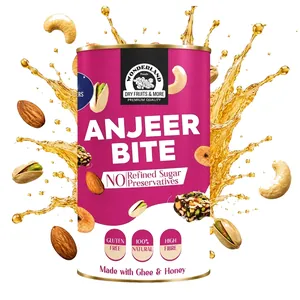
- Wonderland Foods Vrat Anjeer Bites
- −Red flag: High added sugar (15.8g per 100g)
- −Red flag: High saturated fat (18.1g)
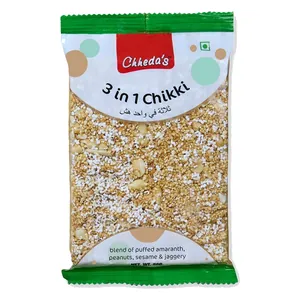
- 3 in 1 Chikki
- −Red flag: High sugar (28.6g per 100g)
- +Green flag: High fibre (7.1g)