
Sorbic Acid
A preservative against mould and yeast, the parent of potassium sorbate. Judged together with it; no concern at normal intakes.
| Also listed as | INS 200 |
|---|---|
| Type | Preservative |
| Used for | Stops mould and yeast |
| Daily limit (EFSA) | 11 mg per kg a day, group limit for sorbic acid and potassium sorbate |
| In EU | Permitted |
| Rated products with it | 48 |
What is Sorbic Acid?
Sorbic acid is a preservative that stops mould and yeast growing in food. It is the acid form of the sorbate family: potassium sorbate (INS 202) is its potassium salt, and the two are assessed as one group by regulators.
Sorbic acid itself is used where the food is not very watery or is made with oil, such as cheese, baked goods, dips and spreads. On a label it is written as "preservative (INS 200)", "sorbic acid" or "E200". Potassium sorbate is far more common on Indian packs.
Why it's addedStops mould and yeast
What the research says
- No evidence of DNA damageReassuring
In 2015 EFSA found no evidence of genotoxic activity for sorbic acid or potassium sorbate. It set only a temporary group limit then and asked for a proper reproductive-toxicity study before fixing a permanent one.[2]
- A limit was fixed in 2019 from the study EFSA asked forReassuring
From an extended one-generation reproductive study, EFSA identified a reference dose (a BMDL) of 1,110 mg of sorbic acid per kg of body weight a day, where the main effect was lower weight gain in rat pups. With a safety factor of 100 it set a group limit of 11 mg per kg a day for sorbic acid and its potassium salt.[1]
- Even children's highest intakes stay under the limitReassuring
In EFSA's most realistic scenario, children aged 3 to 9, the group with the highest estimates, ate on average 1.7 mg per kg a day and 3.7 mg at the 95th percentile. The new limit of 11 mg would not be exceeded in that scenario.[1]
- The EU limit is lower than the international oneMixed evidence
The FAO/WHO committee (JECFA) has had a group limit of 0 to 25 mg per kg of body weight since 1973, so EFSA's figure is less than half of it. Both are well above what people eat.[1][3]
How much is safe?
The acceptable daily intake: what expert panels say you can eat every day for life without appreciable risk.
- EFSA (EU, 2019)11 mg per kg body weight a day, group limit for sorbic acid and potassium sorbate[1]
- JECFA (FAO/WHO)0–25 mg per kg body weight a day, group limit as sorbic acid[3]
The limit is shared across sorbic acid and its salts, so intake from INS 200 and INS 202 counts together. On the stricter EU figure, a 20 kg child's limit is 220 mg a day and a 60 kg adult's is 660 mg.
Rules around the world
How regulators treat it in food.
- EUPermittedAllowed as E200 in listed foods; group limit set in 2019[1]
How to spot it on a label
Look for any of these in the ingredient list:
- INS 200
- Sorbic acid
- Preservative (200)
- E200
- Preservatives (200, 202)
Sorbic acid often appears next to potassium sorbate in one class name, as in "preservatives (INS 200, INS 202)". A "preservative (200 series)" without a name needs the number checked.
Better alternatives
What better-made products use instead. Look for these names on the label.
CleanPlate verdict
Questions people ask
Is INS 200 the same as E200?
Yes. INS 200 is the international number and E200 is the EU form of the same additive, sorbic acid.
What is the difference between sorbic acid and potassium sorbate?
Potassium sorbate (INS 202) is the potassium salt of sorbic acid. Regulators judge them together, and they share one daily limit.
Is sorbic acid safe for children?
Yes at normal intakes. In EFSA's realistic scenario, children aged 3 to 9 ate on average 1.7 mg per kg a day and 3.7 mg at the 95th percentile, against a limit of 11 mg.
Does sorbic acid cause cancer?
Not as far as the evidence shows. EFSA found no evidence of genotoxic activity for sorbic acid or potassium sorbate.
Sources
Regulator opinions and the original research behind this page.
- Opinion on the follow-up of the re-evaluation of sorbic acid (E 200) and potassium sorbate (E 202) as food additives
- Scientific Opinion on the re-evaluation of sorbic acid (E 200), potassium sorbate (E 202) and calcium sorbate (E 203) as food additives
- JECFA evaluation: Potassium sorbate (INS 202), group ADI covering sorbic acid and its salts
Facts last checked 2026-10-31
Where you'll find it
- cheese and butter spreads
- cakes and bread
- dips and mayonnaise
- jams and sauces
- flavoured drinks
48 products we've rated list Sorbic Acid, best first.
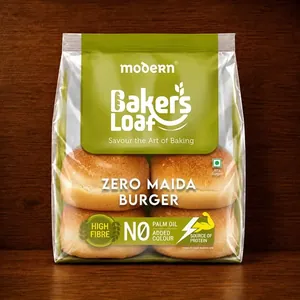
- Baker's Loaf Zero Maida Burger Bun
- −Red flag: Contains Calcium Propionate
- +Green flag: Source of protein (8.6g)
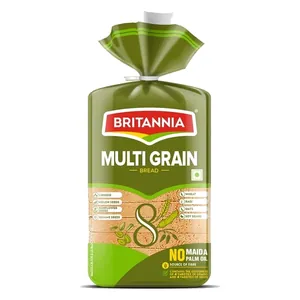
- Britannia Multigrain Bread
- −Red flag: Palm oil listed
- −Red flag: Contains Calcium Propionate
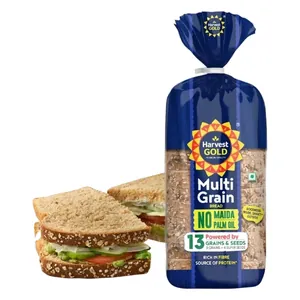
- Harvest Gold Multigrain Bread
- −Red flag: Contains Calcium Propionate
- +Green flag: Source of protein (10.3g)
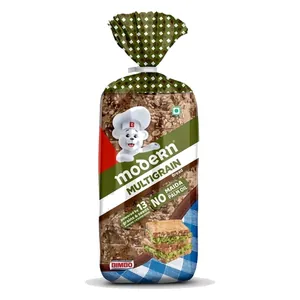
- Modern Multigrain Bread
- −Red flag: Contains Calcium Propionate
- +Green flag: Source of protein (10.3g)
- 100% Whole Wheat Bread
- −Red flag: Contains Calcium Propionate
- +Green flag: Source of protein (9.6g)
- Amul Cheese Slices
- −Red flag: High sodium (1200mg per 100g)
- −Red flag: High saturated fat (16g)
Show all 48
- Britannia Laughing Cow Cheese Slices (180 g)Fortified
- −Red flag: High sodium (1632.9mg per 100g)
- −Red flag: High saturated fat (16.7g)
- Britannia The Laughing Cow Creamy Cheese TriangleFortified
- −Red flag: High sodium (720mg per 100g)
- −Red flag: High saturated fat (12.4g)
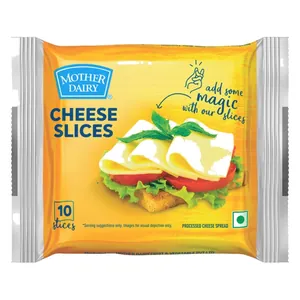
- Mother Dairy Cheese Slices
- −Red flag: High sodium (1650mg per 100g)
- −Red flag: High saturated fat (15.4g)
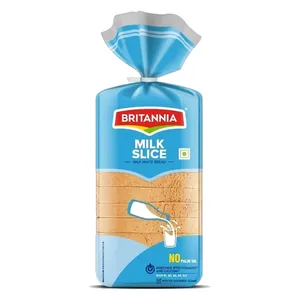
- Britannia Milk BreadFortified
- −Red flag: High added sugar (11.3g per 100g)
- −Red flag: Refined flour (maida) base
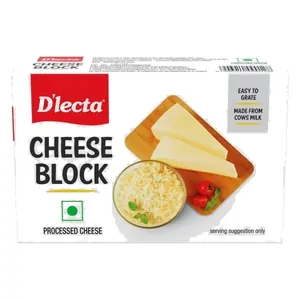
- D'lecta Processed Cheese Block
- −Red flag: High sodium (1084.6mg per 100g)
- −Red flag: High saturated fat (18g)
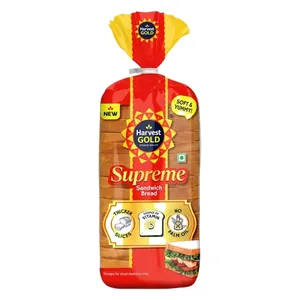
- Harvest Gold Supreme Sandwich Bread
- −Red flag: Refined flour (maida) base
- −Red flag: Contains Calcium Propionate
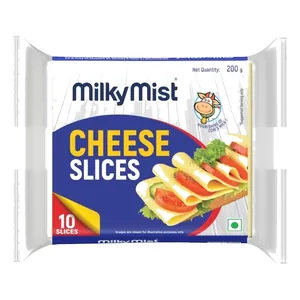
- Milky Mist Cheese Slices
- −Red flag: High sodium (1512mg per 100g)
- −Red flag: High saturated fat (16g)
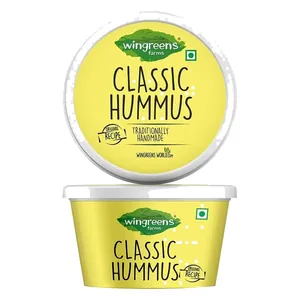
- Wingreens Farms Classic Hummus Dip
- −Red flag: Contains Sodium Benzoate
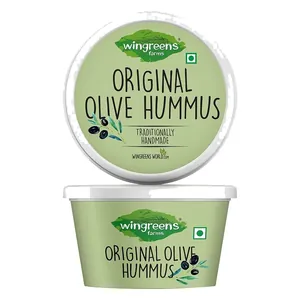
- Wingreens Farms Original Olive Hummus Dip
- −Red flag: Contains Sodium Benzoate
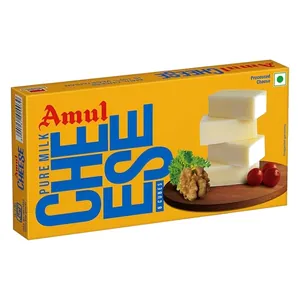
- Amul Cheese Cubes
- −Red flag: High sodium (1220mg per 100g)
- −Red flag: High saturated fat (16g)
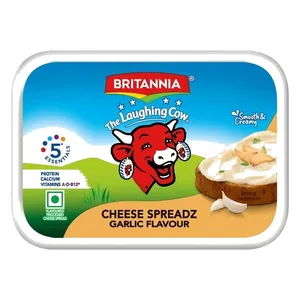
- Britannia The Laughing Cow Cheese Spreadz Garlic FlavourFortified
- −Red flag: High sodium (1050mg per 100g)
- −Red flag: High saturated fat (17g)
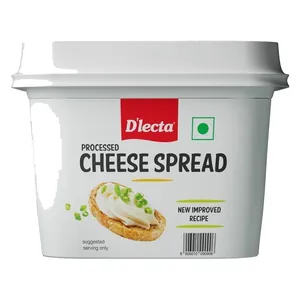
- D'lecta Processed Cheese Spread - Improved Recipe
- −Red flag: High sodium (674.7mg per 100g)
- −Red flag: High saturated fat (9.2g)
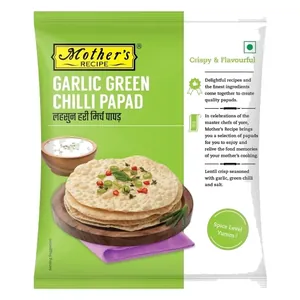
- Mother's Recipe Garlic Green Chilli Papad
- −Red flag: High sodium (3930mg per 100g)
- +Green flag: High protein (17.3g per 100g)
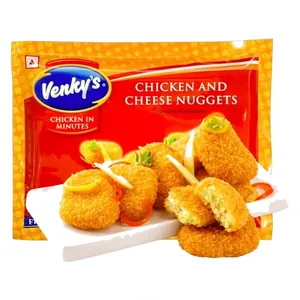
- Venky's Chicken & Cheese Nuggets (Frozen)
- −Red flag: Refined flour (maida) base
- −Red flag: Contains Calcium Propionate
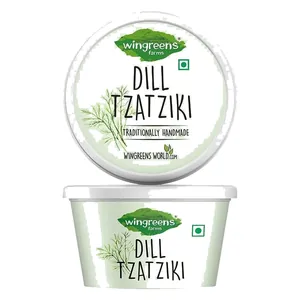
- Wingreens Farms Dill Tzatziki Dip
- −Red flag: Contains Sodium Benzoate
- +Green flag: No added sugar
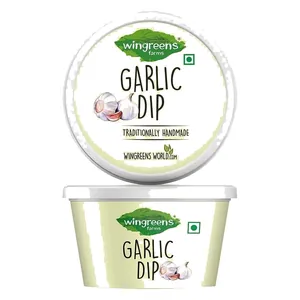
- Wingreens Farms Garlic Dip
- −Red flag: High sodium (703mg per 100g)
- −Red flag: Contains Sodium Benzoate
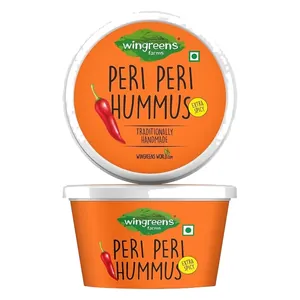
- Wingreens Farms Peri Peri Hummus Dip
- −Red flag: High sodium (682.2mg per 100g)
- −Red flag: Contains Sodium Benzoate
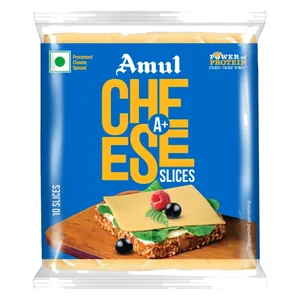
- Amul A+ Cheese Slices
- −Red flag: High sodium (1040mg per 100g)
- −Red flag: High saturated fat (16g)
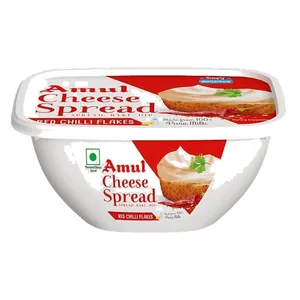
- Amul Cheese Spread Red Chilli Flakes
- −Red flag: High sodium (900mg per 100g)
- −Red flag: High saturated fat (13g)
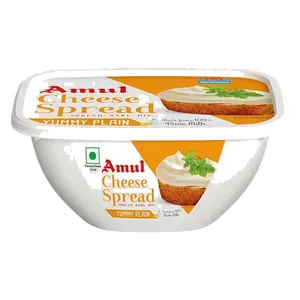
- Amul Cheese Spread Yummy Plain
- −Red flag: High sodium (900mg per 100g)
- −Red flag: High saturated fat (13g)
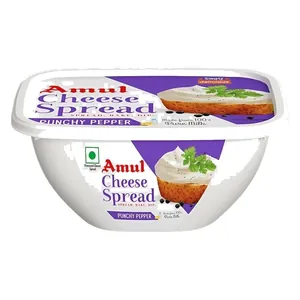
- Amul Punchy Pepper Cheese Spread
- −Red flag: High sodium (900mg per 100g)
- −Red flag: High saturated fat (13g)
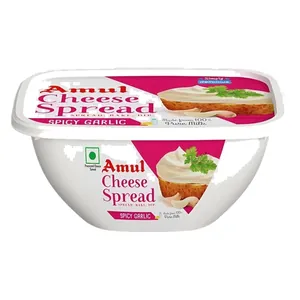
- Amul Spicy Garlic Cheese Spread
- −Red flag: High sodium (900mg per 100g)
- −Red flag: High saturated fat (13g)
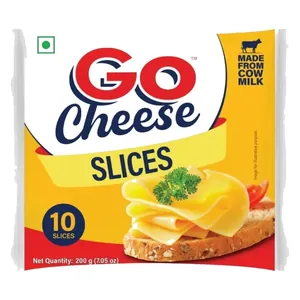
- Go Cheese Slices
- −Red flag: High saturated fat (15g)
- −Red flag: Contains trans fat (1g)
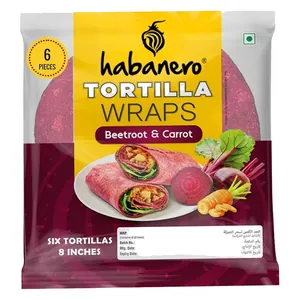
- Habanero Beetroot & Carrot Tortilla Wraps
- −Red flag: Refined flour (maida) base
- −Red flag: Contains Calcium Propionate
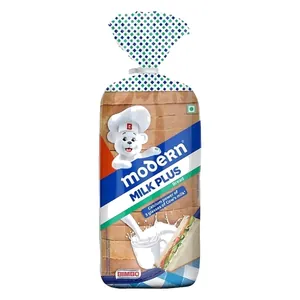
- Modern Milk Plus Milk BreadFortified
- −Red flag: High added sugar (11.3g per 100g)
- −Red flag: Refined flour (maida) base
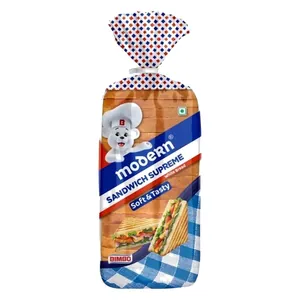
- Modern Sandwich Supreme White Bread
- −Red flag: High sugar (67.2g per 100g)
- −Red flag: Refined flour (maida) base
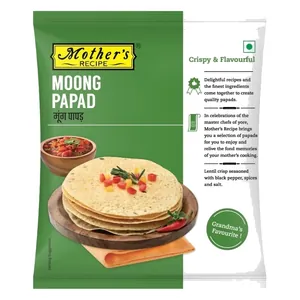
- Mother's Recipe Moong Dal Papad
- −Red flag: High sodium (4110mg per 100g)
- +Green flag: High protein (16.7g per 100g)
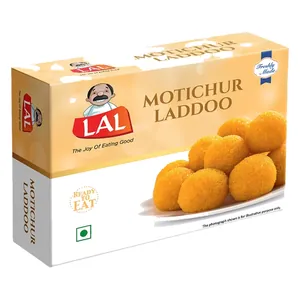
- Motichur Laddoo
- −Red flag: Contains Sunset Yellow FCF
- −Red flag: Contains Tartrazine
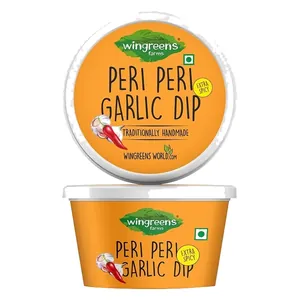
- Wingreens Farms Peri Peri Garlic Dip
- −Red flag: High sodium (986.5mg per 100g)
- −Red flag: Contains Sodium Benzoate
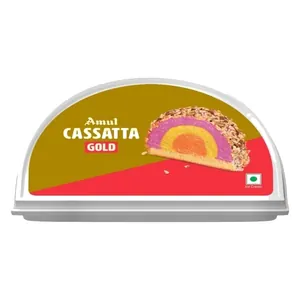
- Amul Cassatta Gold Ice Cream
- −Red flag: Contains Tartrazine
- −Red flag: High added sugar (16.8g per 100g)
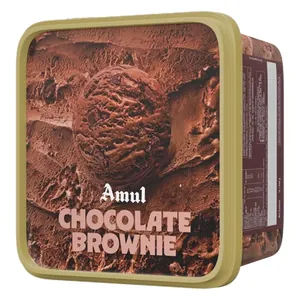
- Amul Chocolate Brownie Ice Cream
- −Red flag: High added sugar (17g per 100g)
- −Red flag: High saturated fat (6.9g)
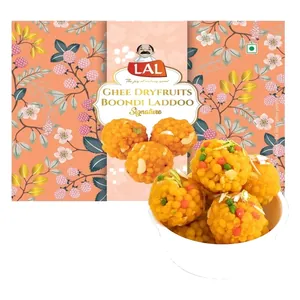
- Ghee Dry Fruits Boondi Laddu by Lal
- −Red flag: Contains Sunset Yellow FCF
- −Red flag: High added sugar (42g per 100g)
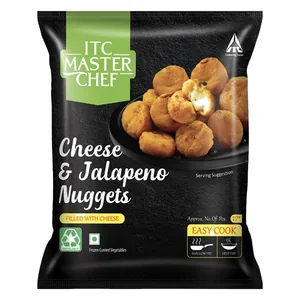
- ITC Master Chef Jalapeño & Cheese Nuggets
- −Red flag: High saturated fat (7.3g)
- −Red flag: Refined flour (maida) base
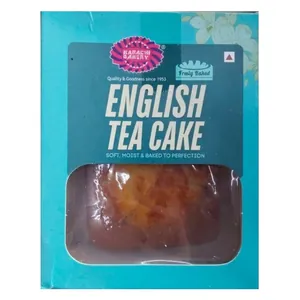
- Karachi Bakery English Teacake
- −Red flag: High added sugar (22.8g per 100g)
- −Red flag: High saturated fat (9.8g)
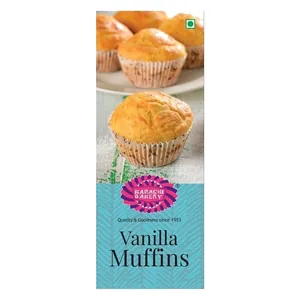
- Karachi Bakery Vanilla Muffins
- −Red flag: High added sugar (16g per 100g)
- −Red flag: High saturated fat (10.9g)
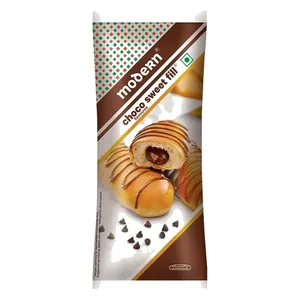
- Modern Choco Sweet Fill Bread Roll
- −Red flag: High added sugar (20.5g per 100g)
- −Red flag: High saturated fat (7.5g)
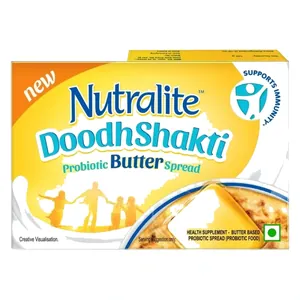
- Nutralite DoodhShakti Probiotic Salted ButterFortified
- −Red flag: High sodium (983mg per 100g)
- −Red flag: Contains TBHQ
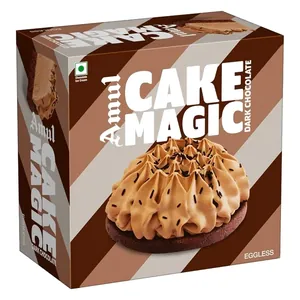
- Amul Cake Magic Dark Chocolate
- −Red flag: High added sugar (17.1g per 100g)
- −Red flag: High saturated fat (9.4g)
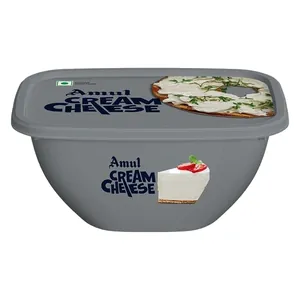
- Amul Cream Cheese
- −Red flag: High saturated fat (19g)
- −Red flag: Contains Carrageenan
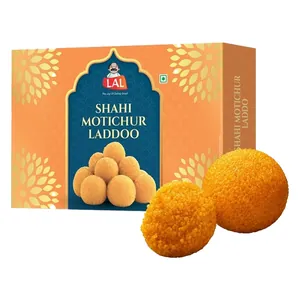
- Shahi Motichur Laddoo
- −Red flag: Contains Partially Hydrogenated Oil
- −Red flag: Contains Sunset Yellow FCF
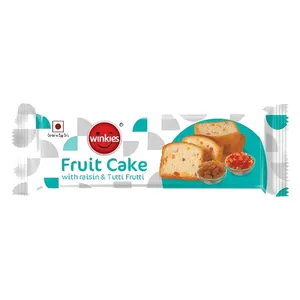
- Winkies Fruit Cake with Raisins & Tutti Frutti
- −Red flag: High added sugar (25.3g per 100g)
- −Red flag: High saturated fat (10.8g)
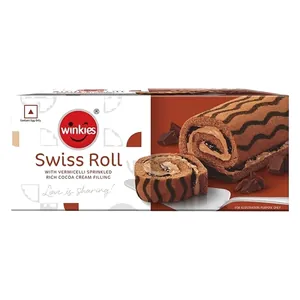
- Winkies Chocolate Swiss Roll
- −Red flag: High added sugar (23.6g per 100g)
- −Red flag: Contains Caramel Colour (Class IV)
Related additives
Full index →Sodium Nitrite
A curing salt used in processed meats. It prevents botulism but can form nitrosamines, especially when meat is cooked at high heat.
In 12 rated products →Sodium Benzoate
A preservative for acidic foods and drinks. With vitamin C it can form small amounts of benzene under heat and light.
In 99 rated products →Calcium Propionate
The most common mould inhibitor in packaged bread. Generally regarded as safe.
In 49 rated products →