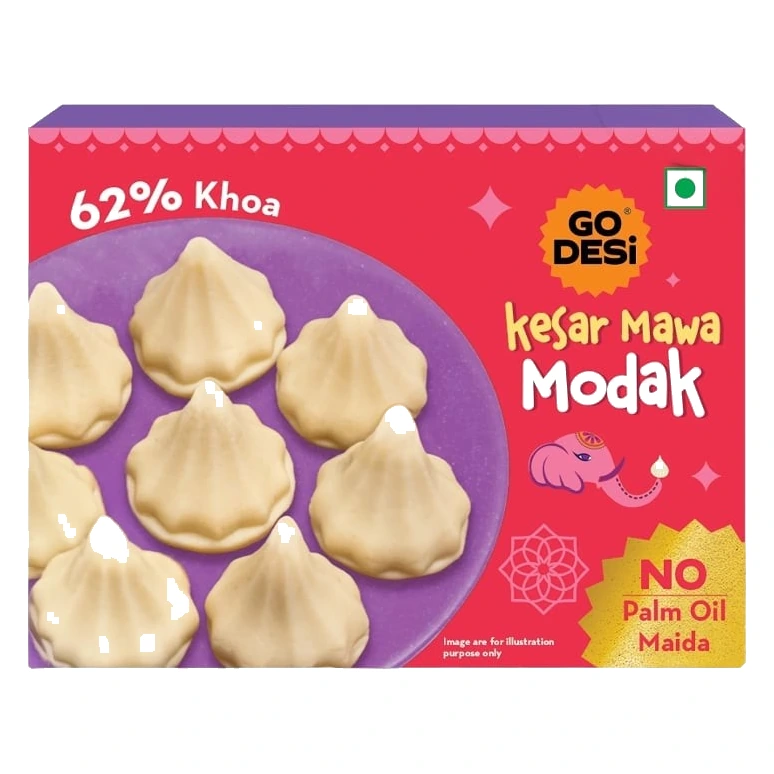
Kesar Mawa Badam Modak
Published · Last updated
A realistic serve of Kesar Mawa Badam Modak (1 piece, 16.3 g) has 60 kcal, 1.9 g protein, 7.5 g carbohydrate, 2.4 g fat, 5.7 g added sugar and 7 mg sodium. Per 100 g it has 366 kcal, 11.6 g protein, 46.2 g carbohydrate, 14.8 g fat, 9.2 g saturated fat, 35.2 g added sugar, 0.3 g fibre and 46 mg sodium.
GO DESi Kesar Mawa Badam Modak is a khoa-based Indian sweet, sold as a festival treat. It scores [L]DB4: nutrition is low because it is mostly milk solids and sugar with almost no fibre, ingredients lose points because no saffron is listed and three synthetic colours are, and risk is high on added sugar. A rare festival piece, not an everyday sweet.
Ingredients, decoded
6 listed- Milk Solids (Khoa) (62.6%)
- Sugar
- Diced Almond (1.91%)
- Preservatives [INS 211, INS 202]
- Natural Flavouring Substance (Kesar Badam)
- Permitted Synthetic Food Colours [INS 110, INS 122, INS 102]
8 teaspoons of sugar in every 100 g · 39.3 g total sugar, 5 g a teaspoon
Score and nutrition facts for Kesar Mawa Badam Modak:
| Energy | 366 kcal |
|---|---|
| Protein | 11.6 g |
| Carbohydrates | 46.2 g |
| Total sugars | 39.3 g |
| Added sugars | 35.2 g |
| Dietary fibre | 0.3 g |
| Total fat | 14.8 g |
| Saturated fat | 9.2 g |
| Trans fat | 0.1 g |
| Cholesterol | 42 mg |
| Sodium | 46 mg |
Think this score is wrong?
Why Kesar Mawa Badam Modak scores [L]DB4
Nutrition is a D: 11.6 g protein per 100 g is held back by 0.3 g fibre. Ingredients are a B, but lose points for three colours and a flavouring. Risk is a 4 on 35.2 g added sugar.
Low nutrient density
- Protein
- 11.6 g
- Fibre
- 0.3 g
- Vitamins and minerals
- None declared
- Energy
- 366 kcal
01 Nutrition density: why D
Protein is 11.6 g per 100 g, mostly from the khoa, which is 62.6% of the sweet. That is about 1.9 g in one 16.3 g piece.
Fibre is only 0.3 g per 100 g and no vitamins or minerals are declared, so the grade rests on protein alone.
Scored on protein, fibre and twelve vitamins and minerals, against the Codex and FSSAI "source" and "high" levels, per 100 g and per 100 kcal. Protein also has to supply at least 12.5% of the calories to count, and 25% for full credit.
Good, few concerning additives
- Base
- Milk Solids
- Sweeteners
- Sugar
- Additives
- 2
- Flagged
- Sodium Benzoate, Tartrazine
02 Ingredient integrity: why B
Khoa leads the list and there is no palm oil, maida or hydrogenated fat, which keeps the ingredient grade at a B. The preservatives, sodium benzoate and potassium sorbate, cost no points.
Tartrazine, sunset yellow FCF and carmoisine each cost ingredient points, and so does the flavouring.
Saffron is named in the product name and is not in the list, and the pack says no artificial flavours while carrying three synthetic colours. Both cost label points and set the [L].
Scored on how processed the ingredients are, which additives are used and why, and whether the label keeps its promises.
High risk
- Added sugar
- 35.2 g
- Sodium
- 46 mg
- Saturated fat
- 9.2 g
- Trans fat
- 0.1 g
03 Load risk: why 4
Added sugar is the biggest driver: 35.2 g per 100 g, or 5.7 g in a piece. Saturated fat is next at 9.2 g per 100 g, above the 5 g high line, mostly from milk solids.
Energy is 366 kcal per 100 g and sodium is low at 46 mg. Trans fat is 0.1 g and is accepted, because no hydrogenated fat is listed.
Scored on free sugar, sodium, saturated fat and trans fat, each weighed by how strong the evidence of harm is.
[L] The name or pack claims promise more than the ingredient list delivers. See Claims vs reality.
Red flags
- −Red flag: Contains Sunset Yellow FCF
- −Red flag: Contains Carmoisine
- −Red flag: Contains Tartrazine
- −Red flag: High added sugar (35.2g per 100g)
Green flags
- +Green flag: Source of protein (11.6g)
- +Green flag: Low sodium
Does Kesar Mawa Badam Modak live up to its claims?
The 62% khoa and no palm oil or maida claims hold. The kesar in the name and the no artificial flavours claim do not, which sets the [L] flag.
- Product nameMisleading
“Kesar Mawa Badam Modak”
Saffron is not in the ingredient list. The colour comes from three synthetic dyes, and almond is only 1.91%.
- On the packMisleading
“No Artificial Flavours”
The list carries tartrazine, sunset yellow FCF and carmoisine, three synthetic colours, which counts against this claim.
- On the packHolds
“62% Khoa”
Milk solids (khoa) are declared at 62.6%, and they lead the list.
- On the packHolds
“NO Palm Oil, Maida”
Neither palm oil nor refined flour appears in the ingredient list.
What's in Kesar Mawa Badam Modak?
Khoa and sugar lead the list, with almond at 1.91%. The three synthetic colours and the flavouring are what to watch.
6 ingredients listed. Additives and watched ingredients we rate: 3 moderate concern, 1 low concern, 1 no concern.
The ingredient list, read for you
Milk solids (khoa) at 62.6% lead the list, then sugar with no percentage declared, then diced almond at 1.91%. So this is mostly reduced milk and sugar, with almond as a small addition.
The kesar badam taste comes from a natural flavouring substance, not from saffron itself. The yellow, orange and red shades come from three synthetic colours, and two preservatives keep the sweet from spoiling.
The label numbers, read for you
Added sugar is 35.2 g per 100 g, about 5.7 g in one 16.3 g piece. Saturated fat is 9.2 g per 100 g, about 1.5 g a piece. A piece has about 60 kcal.
Protein is 11.6 g per 100 g, about 1.9 g a piece. Fibre is 0.3 g, sodium is low at 46 mg per 100 g, and no vitamins or minerals are declared.
What the additives do
Tartrazine (moderate concern): lemon-yellow colour. A synthetic lemon-yellow azo dye and one of the Southampton Six. The EU requires a hyperactivity warning on every product containing it. More on Tartrazine.
Carmoisine (moderate concern): pink, red or maroon colour. A synthetic red azo dye (also called azorubine) and one of the Southampton Six. It is not approved for food use in the United States. More on Carmoisine.
Sunset Yellow FCF (moderate concern): orange or yellow colour. A synthetic orange azo dye and one of the Southampton Six. The EU requires a hyperactivity warning on foods that contain it. More on Sunset Yellow FCF.
Sodium Benzoate (low concern): preservative for acidic foods. A preservative for acidic foods and drinks. With vitamin C it can form small amounts of benzene under heat and light. More on Sodium Benzoate.
Potassium Sorbate (no concern): stops mould and yeast. A widely used preservative against mould and yeast. Low toxicity. More on Potassium Sorbate.
Ingredients to watch
- Tartrazine (INS 102)Worth watching
Synthetic yellow dye that gives the modak its saffron-like colour. It costs ingredient points.
- Sunset yellow FCF (INS 110)Worth watching
Synthetic orange-yellow dye that deepens the kesar colour. It costs ingredient points.
- Carmoisine (INS 122)Worth watching
Synthetic red dye that adds a warm tint to the sweet. It costs ingredient points.
- Natural flavouring substance (kesar badam)Worth watching
Gives the kesar and almond taste without using saffron. It costs ingredient points.
- Preservatives (INS 211, INS 202)Fine
Sodium benzoate and potassium sorbate slow mould and spoilage in a moist milk sweet.
What it doesn’t have
- Saffron, the ingredient named in the product name, is not in the list.
- No vitamins or minerals are declared on the panel.
What to know about Kesar Mawa Badam Modak
A saffron-named modak with no saffron listed
A pack of 11 modak pieces, 179.3 g in all, built on milk solids (khoa, 62.6%) and sugar, with diced almond (1.91%), a natural kesar badam flavouring, two preservatives and three synthetic colours. It is bought as a ready-made festival sweet, especially around Ganesh Chaturthi, for offerings and gifting.
Each 16.3 g piece gives about 60 kcal, 1.9 g protein and 5.7 g added sugar. Per 100 g that is 366 kcal, 11.6 g protein, 35.2 g added sugar and 9.2 g saturated fat. The protein comes from the khoa, but the sugar and milk fat come with it.
The front says 62% khoa and no palm oil or maida, and the list agrees. The name promises kesar, though, and saffron is not in the list: the colour comes from tartrazine, sunset yellow FCF and carmoisine, and the pack also says no artificial flavours. CleanPlate scores it [L]DB4.
Who should eat Kesar Mawa Badam Modak?
An occasional sweet for most adults, and rarely for children or anyone watching blood sugar, since one piece has 5.7 g added sugar.
- Most adultsOccasionally
35.2 g added sugar per 100 g, 5.7 g in each piece.
- ChildrenRarely
Three synthetic colours and 5.7 g added sugar in each small piece.
- Diabetes or prediabetesRarely
35.2 g added sugar per 100 g with 0.3 g fibre to slow it.
- Weight managementOccasionally
About 60 kcal a piece, but sugar and saturated fat (9.2 g per 100 g) add up.
Kesar Mawa Badam Modak: common questions
Is Kesar Mawa Badam Modak healthy?
Kesar Mawa Badam Modak is high in sugar and saturated fat, so occasional and moderate intake is fine and won't affect your health in any major way, but it shouldn't be a frequent treat.
How many calories and how much protein are in Kesar Mawa Badam Modak?
Per 100 g, Kesar Mawa Badam Modak has 366 kcal, 11.6 g protein, 46.2 g carbohydrate, 14.8 g fat and 9.2 g saturated fat. One serve (1 piece, 16.3 g) has 60 kcal and 1.9 g protein.
What are the ingredients in Kesar Mawa Badam Modak?
6 ingredients, in label order: Milk Solids (Khoa) (62.6%), Sugar, Diced Almond (1.91%), Preservatives [INS 211, INS 202], Natural Flavouring Substance (Kesar Badam), Permitted Synthetic Food Colours [INS 110, INS 122, INS 102]. Flagged: Sodium Benzoate (low concern), Tartrazine (moderate concern).
Does Kesar Mawa Badam Modak live up to its claims?
4 claims checked: 2 hold, 2 are misleading. "Kesar Mawa Badam Modak" is misleading: Saffron is not in the ingredient list. The colour comes from three synthetic dyes, and almond is only 1.91%. "No Artificial Flavours" is misleading: The list carries tartrazine, sunset yellow FCF and carmoisine, three synthetic colours, which counts against this claim.
Who should limit Kesar Mawa Badam Modak?
Most adults: occasionally. 35.2 g added sugar per 100 g, 5.7 g in each piece. Children: rarely. Three synthetic colours and 5.7 g added sugar in each small piece. Diabetes or prediabetes: rarely. 35.2 g added sugar per 100 g with 0.3 g fibre to slow it.
How much sugar, salt and saturated fat does Kesar Mawa Badam Modak have?
Per 100 g, Kesar Mawa Badam Modak has 35.2 g added sugar, 46 mg sodium (about 0.1 g salt) and 9.2 g saturated fat. The FSSAI and UK FSA "high" lines are 10 g added sugar, 600 mg sodium and 5 g saturated fat per 100 g. It is high in sugar and saturated fat.
What does the DB4 score mean for Kesar Mawa Badam Modak?
The first letter (D) grades nutrition density on A to E, the second (B) grades ingredient integrity on A to E, and the number (4) grades load risk on 1 to 5. A and 1 are best. Nutrition: Protein is 11.6 g per 100 g, mostly from the khoa, which is 62.6% of the sweet. That is about 1.9 g in one 16.3 g piece. Ingredients: Khoa leads the list and there is no palm oil, maida or hydrogenated fat, which keeps the ingredient grade at a B. The preservatives, sodium benzoate and potassium sorbate, cost no points. Load risk: Added sugar is the biggest driver: 35.2 g per 100 g, or 5.7 g in a piece. Saturated fat is next at 9.2 g per 100 g, above the 5 g high line, mostly from milk solids.
Last reviewed November 3, 2026. Scored with the CleanPlate method from the published label. Spotted a mistake? .
Reference values: FSSAI labelling regulations, Codex Alimentarius, ICMR-NIN and the UK front of pack guidance. Where our label data comes from.
Label read on 3 November 2026, from photos of the pack. If the pack has changed since, tell us.
Score history (1)
| Date | Score | Method | Why |
|---|---|---|---|
| 3 November 2026 | DB4 | v5.0 | First scored |
Every change to this score is logged. See corrections and the method changelog.
Better Indian Sweets
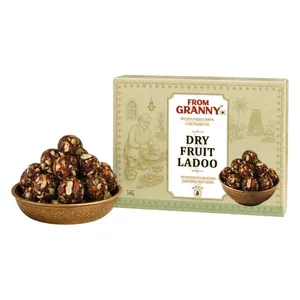
All Indian Sweets →- Dry Fruit Laddu
- −Red flag: High sugar (50g per 100g)
- −Red flag: High saturated fat (6g)
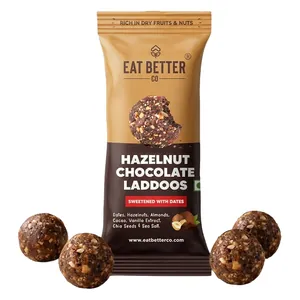
- Hazelnut Chocolate Laddoos
- −Red flag: High sugar (32.2g per 100g)
- +Green flag: High fibre (9.3g)
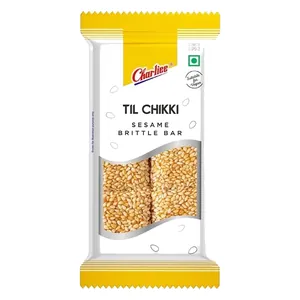
- Til Chikki by Charliee
- −Red flag: High added sugar (33.3g per 100g)
- +Green flag: Source of protein (17.3g)
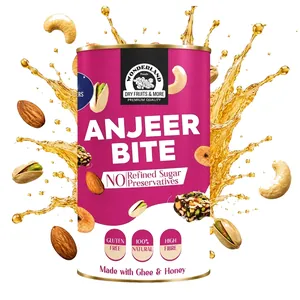
- Wonderland Foods Vrat Anjeer Bites
- −Red flag: High added sugar (15.8g per 100g)
- −Red flag: High saturated fat (18.1g)
More from GO DESi
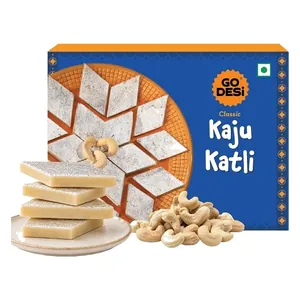
All GO DESi →- Classic Kaju Katli
- −Red flag: High added sugar (38g per 100g)
- −Red flag: Contains Sodium Benzoate
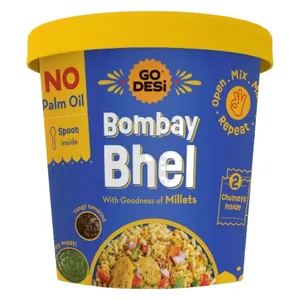
- GO DESi Bombay Bhel with Chutney
- −Red flag: High added sugar (13.1g per 100g)
- −Red flag: High sodium (747mg per 100g)
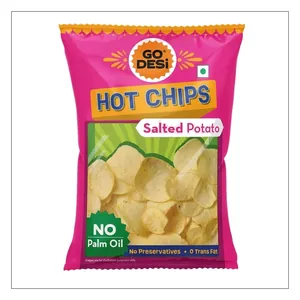
- GO DESi Hot Chips Salted Potato
- −Red flag: High saturated fat (10.6g)
- +Green flag: No added sugar
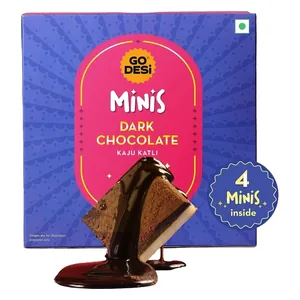
- Dark Chocolate Kaju Katli GO DESi
- −Red flag: High added sugar (33g per 100g)
- −Red flag: High saturated fat (10.5g)