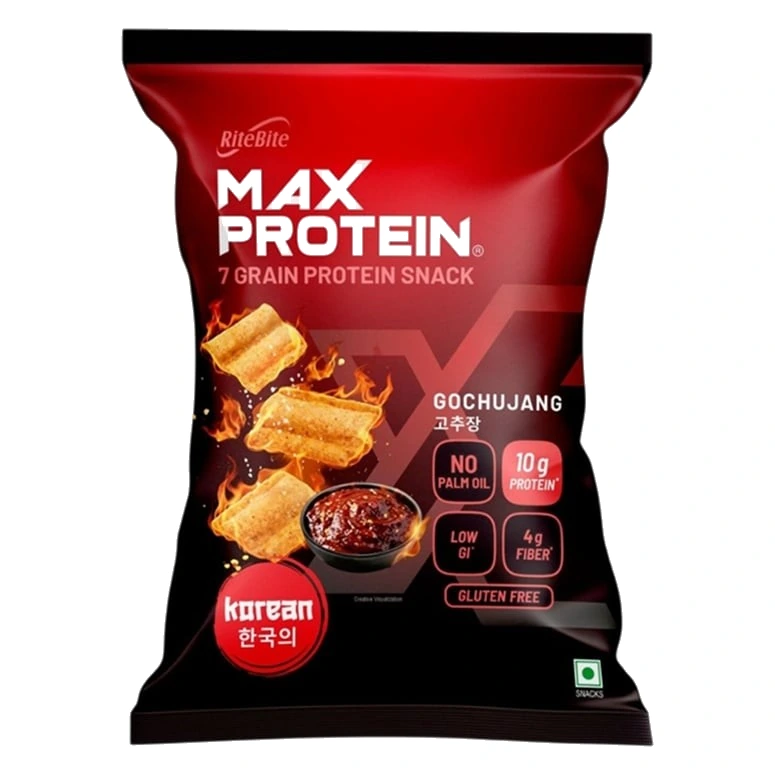
RiteBite Max Protein Korean Gochujang 10 g Protein Chips
Published · Last updated
A realistic serve of RiteBite Max Protein Korean Gochujang Protein Chips (30 g, half the 60 g pack) has 132 kcal, 5 g protein, 14.7 g carbohydrate, 6.8 g fat, 1.6 g added sugar and 323 mg sodium. Per 100 g it has 440 kcal, 16.6 g protein, 49 g carbohydrate, 22.7 g fat, 4.4 g saturated fat, 5.3 g added sugar, 6.7 g fibre and 1075 mg sodium.
RiteBite Max Protein Korean Gochujang Chips are a protein snack made from a millet and pulse flour blend with added soy protein and a Korean-style seasoning. It scores CB4: average on nutrition, a solid ingredient grade held back by flavourings and an unproven low GI claim, and high risk because of the salt. Best as an occasional snack, not a daily protein source.
Ingredients, decoded
26 listed- Millets & Pulses Flour Blend
- Sorghum (Jowar)
- Chickpeas
- Oats
- Finger Millet (Ragi)
- Soy
- Black Gram (Urad)
- Quinoa
- Refined Rice Bran Oil
- Soy Protein Isolate
- Seasoning
- Sugar
- Iodized Salt
- Maltodextrin
- Spices & Condiments (Onion, Chilli (2 %), Garlic)
- Natural & Nature Identical Flavours
- Flavour enhancer (INS 627, INS 631)
- Hydrolyzed Vegetable Protein (Soy)
- Vinegar Powder
- Refined Vegetable Oil (Sunflower)
- Starch
- Anticaking Agent (INS 551)
- Oat Fiber
- Ajowan Seeds
- Black Pepper
- Red Chilli Powder
- Edible Common Salt
- Acidity Regulator (INS 330)
1½ teaspoons of sugar in every 100 g · 6.7 g total sugar, 5 g a teaspoon
Score and nutrition facts for RiteBite Max Protein Korean Gochujang 10 g Protein Chips:
| Energy | 440.3 kcal |
|---|---|
| Protein | 16.6 g |
| Carbohydrates | 49 g |
| Total sugars | 6.7 g |
| Added sugars | 5.3 g |
| Dietary fibre | 6.7 g |
| Total fat | 22.7 g |
| Saturated fat | 4.4 g |
| Trans fat | 0 g |
| Cholesterol | 0 mg |
| Sodium | 1075.3 mg |
Think this score is wrong?
Why RiteBite Max Protein Korean Gochujang Protein Chips scores CB4
Nutrition is a C on 16.6 g protein and 6.7 g fibre per 100 g. Ingredients are a B, held back by flavourings and an anticaking agent. Risk is a 4, driven by 1,075 mg sodium per 100 g.
Adequate nutrient density
- Protein
- 16.6 g
- Fibre
- 6.7 g
- Vitamins and minerals
- None declared
- Energy
- 440 kcal
01 Nutrition density: why C
Protein is 16.6 g per 100 g, and the largest contributor is soy protein isolate. Fibre is 6.7 g per 100 g, which is 2 g in a 30 g serve.
No vitamins or minerals are declared, so the grade rests on protein and fibre alone, against 440 kcal and 22.7 g fat per 100 g.
Scored on protein, fibre and twelve vitamins and minerals, against the Codex and FSSAI "source" and "high" levels, per 100 g and per 100 kcal. Protein also has to supply at least 12.5% of the calories to count, and 25% for full credit.
Good, few concerning additives
- Base
- Millets & Pulses Flour Blend,...
- Main fat
- Refined Rice Bran Oil
- Sweeteners
- Seasoning, Garlic...
- Additives
- 2
- Flagged
- Maltodextrin
02 Ingredient integrity: why B
The list leads with a flour blend of millets and pulses, then refined rice bran oil and soy protein isolate, which is a fairly good start. No hydrogenated fat is listed and no palm oil is used.
The seasoning is where points are lost: nature-identical flavours, the flavour enhancers 627 and 631 and the anticaking agent 551 each cost ingredient points. The low GI claim has no tested GI value behind it, which also costs ingredient points.
Scored on how processed the ingredients are, which additives are used and why, and whether the label keeps its promises.
High risk
- Added sugar
- 5.3 g
- Sodium
- 1075.3 mg
- Saturated fat
- 4.4 g
- Trans fat
- 0 g
03 Load risk: why 4
Sodium is the biggest driver: 1,075 mg per 100 g, about 323 mg in a 30 g serve and 645 mg in the whole pack. It supplies most of the risk number.
Energy (440 kcal per 100 g) and saturated fat (4.4 g per 100 g, just under the 5 g high line) add to it. Added sugar is 5.3 g per 100 g and trans fat is 0 g, so both play a small part.
Scored on free sugar, sodium, saturated fat and trans fat, each weighed by how strong the evidence of harm is.
Red flags
- −Red flag: High sodium (1075.3mg per 100g)
- −Red flag: Contains Maltodextrin
Green flags
- +Green flag: Source of protein (16.6g)
- +Green flag: High fibre (6.7g)
Does RiteBite Max Protein Korean Gochujang Protein Chips live up to its claims?
The no palm oil claim holds. The 10 g protein and 4 g fibre are for two servings, the low GI badge is a theoretical calculation, and no gochujang is listed.
- On the packBe careful
“10g Protein* and 4g Fiber*”
True for two servings, the whole 60 g pack. One 30 g serve has about 5 g protein and 2 g fibre.
- On the packBe careful
“Low GI*”
The footnote says the value is a theoretical calculation from the ingredients. No tested GI value is given, and the claim costs ingredient points.
- On the packHolds
“No Palm Oil”
The oils listed are refined rice bran oil and refined sunflower oil. No palm oil appears.
- Product namePartly true
“Gochujang”
No gochujang paste is listed. The taste comes from a seasoning with chilli at 2%, spices, and natural and nature-identical flavours.
- Retail listingBe careful
“Fibre figure”
The retailer page shows 8.3 g fibre per 100 g, the pack shows 6.7 g per 100 g. The pack figure is used.
What's in RiteBite Max Protein Korean Gochujang Protein Chips?
A millet and pulse flour blend, rice bran oil and soy protein isolate lead the list. The seasoning carries the flavourings, flavour enhancers and anticaking agent to watch.
26 ingredients listed. Additives and watched ingredients we rate: 1 low concern. 3 more entries look like additives we have not researched yet.
The ingredient list, read for you
The base is a blend of sorghum, chickpeas, oats, ragi, soy, urad and quinoa, followed by refined rice bran oil and soy protein isolate, which adds the protein. The seasoning is sugar, iodized salt and maltodextrin with onion, chilli (2%) and garlic, flavours, flavour enhancers, soy hydrolysed protein, vinegar powder, sunflower oil, starch and an anticaking agent.
Oat fibre, ajowan seeds, black pepper, red chilli powder, more salt and an acidity regulator (INS 330) finish the list. The shares of the individual grains are not declared.
The label numbers, read for you
Sodium decides the score: 1,075 mg per 100 g, about 2.7 g of salt. A 30 g serve has about 323 mg, and the 60 g pack, which holds two serves, has about 645 mg.
Protein is 16.6 g per 100 g and fibre 6.7 g, so a serve gives about 5 g and 2 g. A serve is 132 kcal with 6.8 g fat, 1.3 g of it saturated, and 1.6 g added sugar. Trans fat is 0 g, and no vitamins or minerals are declared.
What the additives do
Maltodextrin (low concern): filler and thickener. A highly processed carbohydrate from starch, used as a filler and thickener. It raises blood sugar quickly. More on Maltodextrin.
Not in our additive research yet: Flavour enhancer (INS 627, INS 631); Anticaking Agent (INS 551); Acidity Regulator (INS 330).
Ingredients to watch
- Natural & nature-identical flavoursWorth watching
Build the spicy, savoury gochujang-style taste in the seasoning beyond what the small amount of chilli gives. It costs ingredient points.
- Flavour enhancer (INS 627, INS 631)Worth watching
Boosts the savoury, umami taste of the seasoning so the chips taste stronger. It costs ingredient points.
- Anticaking agent (INS 551)Worth watching
Keeps the seasoning powder free-flowing so it coats the chips evenly. It costs ingredient points.
- MaltodextrinFine
A starch-derived powder that bulks out the seasoning and helps carry the flavour onto the chips.
What it doesn’t have
- No vitamins or minerals are declared on the panel.
- The share of each grain and pulse in the flour blend is not given.
What to know about RiteBite Max Protein Korean Gochujang Protein Chips
Pulse-flour chips with real protein and a lot of salt
A 60 g pack of gochujang-flavoured snack chips built on a millets and pulses flour blend (sorghum, chickpeas, oats, ragi, soy, urad and quinoa), refined rice bran oil and soy protein isolate, finished with a seasoning of sugar, salt, maltodextrin, spices and flavours. It is sold to people who want a crunchy, spicy snack with some protein and no potato, rice, corn or wheat. The pack does not declare how much of each grain is in the blend; chilli in the seasoning is declared at 2%.
Per 100 g the chips have 440 kcal, 16.6 g protein, 6.7 g fibre, 22.7 g fat and 1,075 mg sodium. The pack is printed per 30 g serve and holds two serves, so one serve is 132 kcal, 5 g protein, 2 g fibre and about 323 mg sodium. The cost is mostly sodium, about 2.7 g of salt per 100 g, plus fat from the oil.
The front promises 10 g protein and 4 g fibre, but the footnote says that is for two servings, the whole pack. The low GI badge rests on a theoretical calculation, not a tested value, and that costs ingredient points. The no palm oil claim holds. CleanPlate scores it CB4.
Who should eat RiteBite Max Protein Korean Gochujang Protein Chips?
An occasional snack for most adults and children, and rarely for anyone watching blood pressure, since a 30 g serve has about 323 mg sodium.
- Most adultsOccasionally
A 30 g serve has about 323 mg sodium, and the whole pack about 645 mg.
- ChildrenOccasionally
Salty seasoning with flavour enhancers, though a serve is only 132 kcal.
- High blood pressureRarely
1,075 mg sodium per 100 g, so a pack is a large share of the day's limit.
- Weight managementOccasionally
132 kcal per serve and 264 kcal per pack, with some protein and fibre but high sodium.
RiteBite Max Protein Korean Gochujang Protein Chips: common questions
Is RiteBite Max Protein Korean Gochujang 10 g Protein Chips healthy?
RiteBite Max Protein Korean Gochujang Protein Chips is high in salt and calories, so occasional and moderate intake is fine and won't affect your health in any major way, but it shouldn't be a frequent treat.
How many calories and how much protein are in RiteBite Max Protein Korean Gochujang 10 g Protein Chips?
Per 100 g, RiteBite Max Protein Korean Gochujang 10 g Protein Chips has 440 kcal, 16.6 g protein, 49 g carbohydrate, 22.7 g fat and 4.4 g saturated fat. One serve (30 g, half the 60 g pack) has 132 kcal and 5 g protein.
What are the ingredients in RiteBite Max Protein Korean Gochujang 10 g Protein Chips?
26 ingredients, in label order: Millets & Pulses Flour Blend (Sorghum (Jowar), Chickpeas, Oats, Finger Millet (Ragi), Soy, Black Gram (Urad), Quinoa), Refined Rice Bran Oil, Soy Protein Isolate, Seasoning (Sugar, Iodized Salt, Maltodextrin, Spices & Condiments (Onion, Chilli (2 %), Garlic), Natural & Nature Identical Flavours, Flavour enhancer (INS 627, INS 631), Hydrolyzed Vegetable Protein (Soy), Vinegar Powder, Refined Vegetable Oil.... Flagged: Maltodextrin (low concern).
Does RiteBite Max Protein Korean Gochujang 10 g Protein Chips live up to its claims?
5 claims checked: 1 holds, 1 is partly true, 3 need care. "10g Protein* and 4g Fiber*" needs care: True for two servings, the whole 60 g pack. One 30 g serve has about 5 g protein and 2 g fibre. "Low GI*" needs care: The footnote says the value is a theoretical calculation from the ingredients. No tested GI value is given, and the claim costs ingredient points.
Who should limit RiteBite Max Protein Korean Gochujang 10 g Protein Chips?
Most adults: occasionally. A 30 g serve has about 323 mg sodium, and the whole pack about 645 mg. Children: occasionally. Salty seasoning with flavour enhancers, though a serve is only 132 kcal. High blood pressure: rarely. 1,075 mg sodium per 100 g, so a pack is a large share of the day's limit.
How much sugar, salt and saturated fat does RiteBite Max Protein Korean Gochujang 10 g Protein Chips have?
Per 100 g, RiteBite Max Protein Korean Gochujang 10 g Protein Chips has 5.3 g added sugar, 1075 mg sodium (about 2.7 g salt) and 4.4 g saturated fat. The FSSAI and UK FSA "high" lines are 10 g added sugar, 600 mg sodium and 5 g saturated fat per 100 g. It is high in salt.
What does the CB4 score mean for RiteBite Max Protein Korean Gochujang 10 g Protein Chips?
The first letter (C) grades nutrition density on A to E, the second (B) grades ingredient integrity on A to E, and the number (4) grades load risk on 1 to 5. A and 1 are best. Nutrition: Protein is 16.6 g per 100 g, and the largest contributor is soy protein isolate. Fibre is 6.7 g per 100 g, which is 2 g in a 30 g serve. Ingredients: The list leads with a flour blend of millets and pulses, then refined rice bran oil and soy protein isolate, which is a fairly good start. No hydrogenated fat is listed and no palm oil is used. Load risk: Sodium is the biggest driver: 1,075 mg per 100 g, about 323 mg in a 30 g serve and 645 mg in the whole pack. It supplies most of the risk number.
Last reviewed November 3, 2026. Scored with the CleanPlate method from the published label. Spotted a mistake? .
Reference values: FSSAI labelling regulations, Codex Alimentarius, ICMR-NIN and the UK front of pack guidance. Where our label data comes from.
Label read on 3 November 2026, from photos of the pack. If the pack has changed since, tell us.
Score history (1)
| Date | Score | Method | Why |
|---|---|---|---|
| 3 November 2026 | CB4 | v5.0 | First scored |
Every change to this score is logged. See corrections and the method changelog.
Better Chips
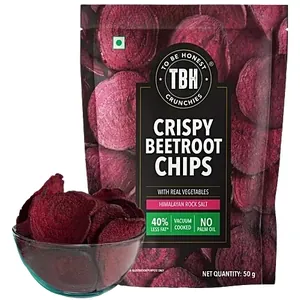
All Chips →- Crispy Beetroot with Himalayan Rock Salt
- +Green flag: High fibre (17.7g)
- +Green flag: No added sugar
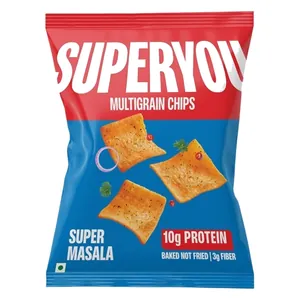
- SuperYou Multigrain Super Masala Chips
- −Red flag: High sodium (700mg per 100g)
- +Green flag: Source of protein (25g)
- The Baker's Dozen Multigrain Protein Chips Masala Mania
- −Red flag: High sodium (611.1mg per 100g)
- +Green flag: Source of protein (22.2g)
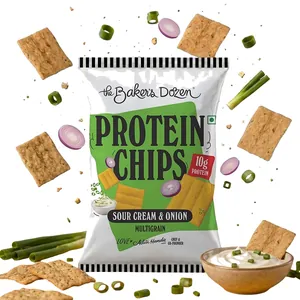
- The Baker's Dozen Multigrain Protein Sour Cream & Onion Chips
- +Green flag: Source of protein (22.2g)
- +Green flag: High fibre (8.9g)
More from RiteBite
All RiteBite →- RiteBite Max Protein Daily Choco Almond 10g Protein BarFortified
- +Green flag: Source of protein (20g)
- +Green flag: High fibre (10g)
- RiteBite Max Protein Daily Choco Berry 10 g Protein BarFortified
- +Green flag: Source of protein (20g)
- +Green flag: High fibre (10g)
- RiteBite Choco Delite 4g Protein BarFortified
- +Green flag: Source of fibre
- +Green flag: Low sodium
- RiteBite Max Protein Choco Berry 10g Protein Bar PackFortified
- +Green flag: Source of protein (20g)
- +Green flag: High fibre (10g)