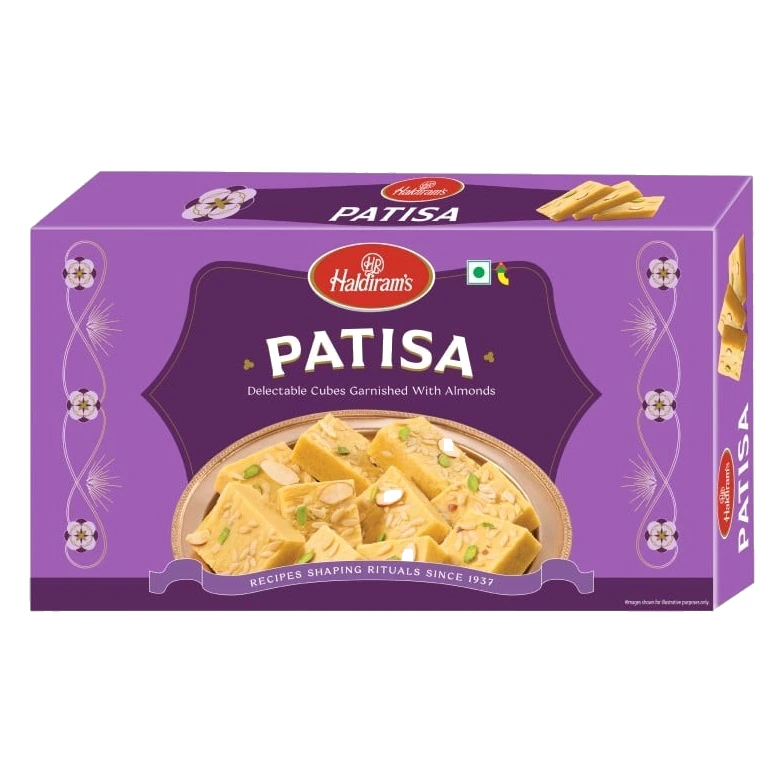
Dryfruit Patisa
Published · Last updated
A realistic serve of Dryfruit Patisa (33 g serve, 1 of 12 in the pack) has 170 kcal, 2 g protein, 20.8 g carbohydrate, 8.9 g fat, 14.5 g added sugar and 2 mg sodium. Per 100 g it has 515 kcal, 6 g protein, 63 g carbohydrate, 27 g fat, 19 g saturated fat, 43.9 g added sugar and 5 mg sodium.
Haldiram's Dryfruit Patisa is a flaky Indian sweet made mostly from sugar, gram flour and refined wheat flour, with only a sprinkle of almond, pistachio and melon seed. It scores EB5: very low on nutrition, a short and fairly plain ingredient list despite the hydrogenated fat, and high risk from sugar and saturated fat. Best kept for festivals and gifting, in small pieces.
Ingredients, decoded
9 listed- Sugar
- Gram Pulse Flour
- Refined Wheat Flour (Maida)
- Hydrogenated Vegetable Fat
- Edible Vegetable Oil (Palmolein Oil)
- Almond
- Muskmelon seed
- Pistachio
- Cardamom
9 teaspoons of sugar in every 100 g · 45 g total sugar, 5 g a teaspoon
Score and nutrition facts for Dryfruit Patisa:
| Energy | 515 kcal |
|---|---|
| Protein | 6 g |
| Carbohydrates | 63 g |
| Total sugars | 45 g |
| Added sugars | 43.9 g |
| Total fat | 27 g |
| Saturated fat | 19 g |
| Trans fat | 0 g |
| Sodium | 5 mg |
Think this score is wrong?
Why Dryfruit Patisa scores EB5
Nutrition is an E because protein is low and there is no fibre or micronutrient credit. Ingredients are a B on a short, declared list, and risk is a 5 on 19 g saturated fat and 43.9 g added sugar per 100 g.
Very low nutrient density
- Protein
- 6 g
- Fibre
- Not declared
- Vitamins and minerals
- None declared
- Energy
- 515 kcal
01 Nutrition density: why E
Protein is 6 g per 100 g, and the largest contributor is gram pulse flour. That is too little to earn credit against 515 kcal per 100 g, so the grade bottoms out.
No fibre figure, vitamins or minerals are declared, so nothing else lifts it. A 33 g serve gives about 2 g protein.
Scored on protein, fibre and twelve vitamins and minerals, against the Codex and FSSAI "source" and "high" levels, per 100 g and per 100 kcal. Protein also has to supply at least 12.5% of the calories to count, and 25% for full credit.
Good, few concerning additives
- Base
- Sugar
- Main fat
- Hydrogenated Vegetable...
- Sweeteners
- Sugar
- Additives
- 0
- Flagged
- Maida, Palmolein
02 Ingredient integrity: why B
The list is short and every main ingredient is named, with percentages for sugar, gram flour, nuts and cardamom. No additives are listed, and no label promise is hollow, which keeps the grade up.
Hydrogenated vegetable fat has no partly or fully qualifier, so it is scored as a partially hydrogenated oil, which costs ingredient points until the maker confirms the type. Trans fat is declared as 0 g. Percentages for the wheat flour, fat and oil are missing, which costs a small label point.
Scored on how processed the ingredients are, which additives are used and why, and whether the label keeps its promises.
Very high risk
- Added sugar
- 43.9 g
- Sodium
- 5 mg
- Saturated fat
- 19 g
- Trans fat
- 0 g
03 Load risk: why 5
Saturated fat is the biggest driver: 19 g per 100 g, almost four times the 5 g high line. One 33 g serve has 6.3 g.
Added sugar of 43.9 g per 100 g (14.5 g per serve) and energy of 515 kcal per 100 g add to it. Sodium is 5 mg and trans fat is declared as 0 g, so they add almost nothing. Together the risk grade is a 5.
Scored on free sugar, sodium, saturated fat and trans fat, each weighed by how strong the evidence of harm is.
Red flags
- −Red flag: High added sugar (43.9g per 100g)
- −Red flag: High saturated fat (19g)
- −Red flag: Refined flour (maida) base
- −Red flag: Palm oil listed
Green flags
- +Green flag: Low sodium
Does Dryfruit Patisa live up to its claims?
The almond garnish and the no artificial colour, flavour or preservative claim hold. The dry fruit in the name is real but small: almond, pistachio and muskmelon seed together are about 1%.
- On the packPartly true
“Delectable Cubes Garnished With Almonds”
Almond is listed and is on top, but it is 0.57% of the recipe. Sugar is 43%.
- On the packHolds
“No Artificial Colour, Flavours and Preservatives”
No colour, flavour or preservative appears in the ingredient list, and no additive is listed at all.
- Retail listingPartly true
“Made with sugar gram pulse flour and dry fruits”
Gram pulse flour is 16.55%, but the dry fruits are only almond 0.57%, muskmelon seed 0.35% and pistachio 0.13%, about 1% together.
What's in Dryfruit Patisa?
Sugar leads the list, then gram flour, refined wheat flour and hydrogenated vegetable fat. The sugar and the fat are what to watch.
9 ingredients listed. Additives and watched ingredients we rate: 2 low concern.
The ingredient list, read for you
Sugar comes first at 43%, then gram pulse flour at 16.55% and refined wheat flour (maida), so the sweet is mostly sugar and flour. Hydrogenated vegetable fat and palmolein oil bind and flake the dough, and almond, muskmelon seed, pistachio and cardamom finish it, each at 0.57% or less.
What the additives do
Maida (low concern): cheap, soft base flour. Refined wheat flour with the bran and germ removed. Low in fibre and quick to digest. More on Maida.
Palmolein (low concern): cheap, heat-stable frying fat. A cheap, stable frying oil that is about half saturated fat. Very common in Indian packaged snacks. More on Palmolein.
Ingredients to watch
- Hydrogenated vegetable fat (type not stated)Concern
Listed with no partly or fully qualifier, so it is scored as a partially hydrogenated oil and costs ingredient points. Trans fat is declared as 0 g.
- Saturated fatConcern
19 g per 100 g, from hydrogenated fat and palmolein oil. One 33 g serve has 6.3 g.
- Added sugarConcern
43.9 g per 100 g, so 14.5 g in one serve. Sugar is the first ingredient at 43%.
- Refined wheat flourWorth watching
Maida is the third ingredient with no percentage declared, so it adds energy but little fibre.
- Gram pulse flourFine
16.55% of the recipe and the main source of protein, about 2 g per serve.
- SodiumFine
5 mg per 100 g, effectively none.
What it doesn’t have
- No fibre figure, vitamins or minerals are declared on the panel.
- No percentage is given for the refined wheat flour, hydrogenated fat or palmolein oil.
What to know about Dryfruit Patisa
A nut-topped sweet that is 43% sugar
Haldiram's Dryfruit Patisa is a flaky, cube-shaped Indian sweet, sold in a 396 g pack of 12 servings. It is built from sugar (43%), gram pulse flour (16.55%) and refined wheat flour, bound with hydrogenated vegetable fat and palmolein oil, and finished with almond, muskmelon seed, pistachio and cardamom. It is bought for festivals, gifting and sweet-after-meal moments.
A 33 g serve gives about 170 kcal, 2 g protein, 14.5 g added sugar and 6.3 g saturated fat. Per 100 g that is 515 kcal, 43.9 g added sugar and 19 g saturated fat. Sodium is only 5 mg per 100 g, so salt plays no part.
The pack says the cubes are garnished with almonds, and they are, but almond is 0.57% of the recipe. Pistachio is 0.13% and muskmelon seed 0.35%, so the dry fruit in the name is a garnish, not a main ingredient. CleanPlate scores it EB5.
Who should eat Dryfruit Patisa?
A rare treat for most adults, and best avoided for children. Anyone managing blood sugar should check with their doctor first.
- Most adultsRarely
A 33 g serve has 6.3 g saturated fat and 14.5 g added sugar.
- ChildrenAvoid
Hydrogenated fat and 43.9 g added sugar per 100 g.
- Diabetes or prediabetesCheck with your doctor
63 g carbohydrate per 100 g, 43.9 g of it added sugar.
- Weight managementRarely
About 170 kcal in a 33 g serve, mostly sugar and fat.
Dryfruit Patisa: common questions
Is Dryfruit Patisa healthy?
Dryfruit Patisa is high in sugar, saturated fat and calories, so it is best kept as a rare treat.
How many calories and how much protein are in Dryfruit Patisa?
Per 100 g, Dryfruit Patisa has 515 kcal, 6 g protein, 63 g carbohydrate, 27 g fat and 19 g saturated fat. One serve (33 g serve, 1 of 12 in the pack) has 170 kcal and 2 g protein.
What are the ingredients in Dryfruit Patisa?
9 ingredients, in label order: Sugar, Gram Pulse Flour, Refined Wheat Flour (Maida), Hydrogenated Vegetable Fat, Edible Vegetable Oil (Palmolein Oil), Almond, Muskmelon seed, Pistachio, Cardamom. Flagged: Maida (low concern), Palmolein (low concern).
Does Dryfruit Patisa live up to its claims?
3 claims checked: 1 holds, 2 are partly true. "Delectable Cubes Garnished With Almonds" is partly true: Almond is listed and is on top, but it is 0.57% of the recipe. Sugar is 43%. "Made with sugar gram pulse flour and dry fruits" is partly true: Gram pulse flour is 16.55%, but the dry fruits are only almond 0.57%, muskmelon seed 0.35% and pistachio 0.13%, about 1% together.
Who should limit Dryfruit Patisa?
Most adults: rarely. A 33 g serve has 6.3 g saturated fat and 14.5 g added sugar. Children: avoid. Hydrogenated fat and 43.9 g added sugar per 100 g. Diabetes or prediabetes: check with your doctor. 63 g carbohydrate per 100 g, 43.9 g of it added sugar.
How much sugar, salt and saturated fat does Dryfruit Patisa have?
Per 100 g, Dryfruit Patisa has 43.9 g added sugar, 5 mg sodium (about 0 g salt) and 19 g saturated fat. The FSSAI and UK FSA "high" lines are 10 g added sugar, 600 mg sodium and 5 g saturated fat per 100 g. It is high in sugar and saturated fat.
What does the EB5 score mean for Dryfruit Patisa?
The first letter (E) grades nutrition density on A to E, the second (B) grades ingredient integrity on A to E, and the number (5) grades load risk on 1 to 5. A and 1 are best. Nutrition: Protein is 6 g per 100 g, and the largest contributor is gram pulse flour. That is too little to earn credit against 515 kcal per 100 g, so the grade bottoms out. Ingredients: The list is short and every main ingredient is named, with percentages for sugar, gram flour, nuts and cardamom. No additives are listed, and no label promise is hollow, which keeps the grade up. Load risk: Saturated fat is the biggest driver: 19 g per 100 g, almost four times the 5 g high line. One 33 g serve has 6.3 g.
Last reviewed October 31, 2026. Scored with the CleanPlate method from the published label. Spotted a mistake? .
Reference values: FSSAI labelling regulations, Codex Alimentarius, ICMR-NIN and the UK front of pack guidance. Where our label data comes from.
Label read on 31 October 2026, from photos of the pack. If the pack has changed since, tell us.
Score history (1)
| Date | Score | Method | Why |
|---|---|---|---|
| 31 October 2026 | EB5 | v5.0 | First scored |
Every change to this score is logged. See corrections and the method changelog.
Better Indian Sweets
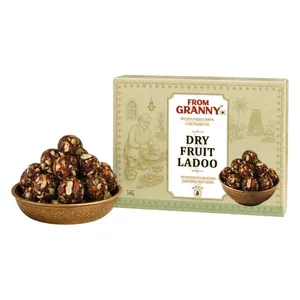
All Indian Sweets →- Dry Fruit Laddu
- −Red flag: High sugar (50g per 100g)
- −Red flag: High saturated fat (6g)
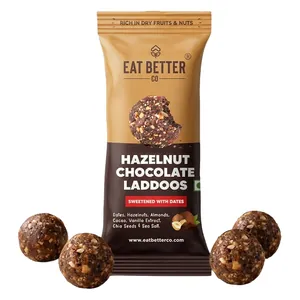
- Hazelnut Chocolate Laddoos
- −Red flag: High sugar (32.2g per 100g)
- +Green flag: High fibre (9.3g)
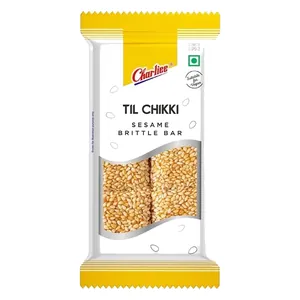
- Til Chikki by Charliee
- −Red flag: High added sugar (33.3g per 100g)
- +Green flag: Source of protein (17.3g)
- Wonderland Foods Vrat Anjeer Bites
- −Red flag: High added sugar (15.8g per 100g)
- −Red flag: High saturated fat (18.1g)
More from Haldiram's
All Haldiram's →- Haldiram's Corn Cutlet
- −Red flag: High sodium (846.6mg per 100g)
- −Red flag: Refined flour (maida) base
- Haldiram's Paneer Onion Paratha
- −Red flag: High saturated fat (5.5g)
- −Red flag: Contains trans fat (0.4g)
- Haldiram's Bhujia
- −Red flag: High sodium (754mg per 100g)
- −Red flag: High saturated fat (6.7g)
- Haldiram's Boondi (210 g)
- −Red flag: High sodium (641.4mg per 100g)
- −Red flag: High saturated fat (13.7g)